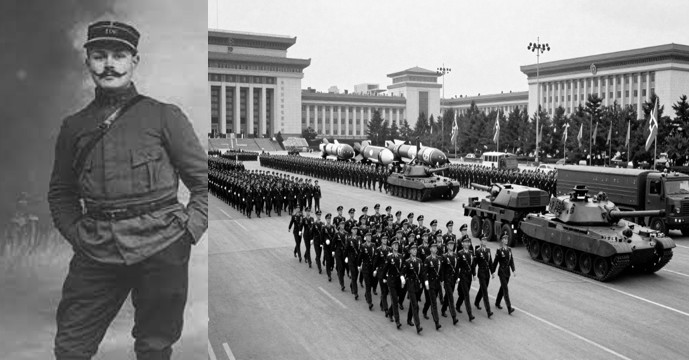
In the Shadow of the Trenches: How World War I Changed the World
Introduction
World War I, which began in 1914, was one of the largest and most traumatic armed conflicts in human history. Even though it was recorded only in black and white photos and videos, the entire world could feel the weight of a conflict that crossed borders, transformed societies, and left deep marks that still influence the world today.
Many people thought it would be a quick war — just a few months. But it lasted four long years, from 1914 to 1918, mobilized over 70 million soldiers, and caused the death of around 17 million people, including both combatants and civilians. And what’s most surprising: this war wasn’t just a clash of empires — it was the end of an era.
The World Before the War: Belle Époque and Industrial Revolution
The early 20th century was marked by optimism. It was the time of the Belle Époque, especially in Europe: a period of peace, scientific advancements, technological innovation, and cultural excitement. Electricity was reaching homes, automobiles were emerging, airplanes were taking their first flights, and cinema was enchanting audiences. The middle class was growing and believed in a promising future.
At the same time, the Second Industrial Revolution accelerated production, created jobs, and strengthened European economies. But behind this beautiful scenario, there were strong political tensions, colonial rivalries, and territorial disputes among the leading empires of the time.
The Spark: Assassination in Sarajevo
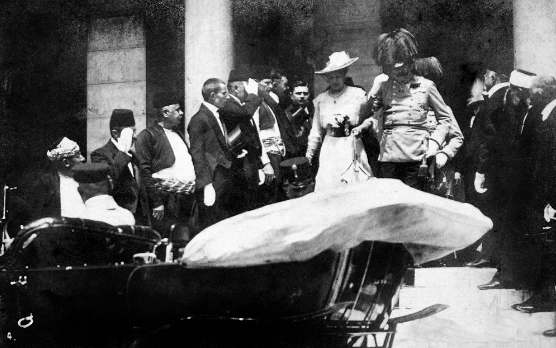
The trigger for the conflict occurred on June 28, 1914, when Archduke Franz Ferdinand, heir to the Austro-Hungarian Empire, was assassinated by Gavrilo Princip, a young Serbian nationalist, in Sarajevo, Bosnia.
This attack unleashed a chain reaction. Austria-Hungary declared war on Serbia. Russia entered to defend the Serbs. Germany supported Austria. France and the United Kingdom allied with Russia. And within a few weeks, Europe was at war. It was the beginning of a conflict of global proportions.
Alliances and the Two Sides of the War
World War I divided the world into two major blocks:
- Triple Entente: France, United Kingdom, Russia (later joined by the United States and Italy).
- Triple Alliance: Germany, Austria-Hungary, and the Ottoman Empire.
The world found itself involved in a conflict that spanned oceans, deserts, forests, and mountains. Soldiers fought from Europe to the Middle East, from Africa to Asia.
Trench Warfare: The Horror of Stagnation
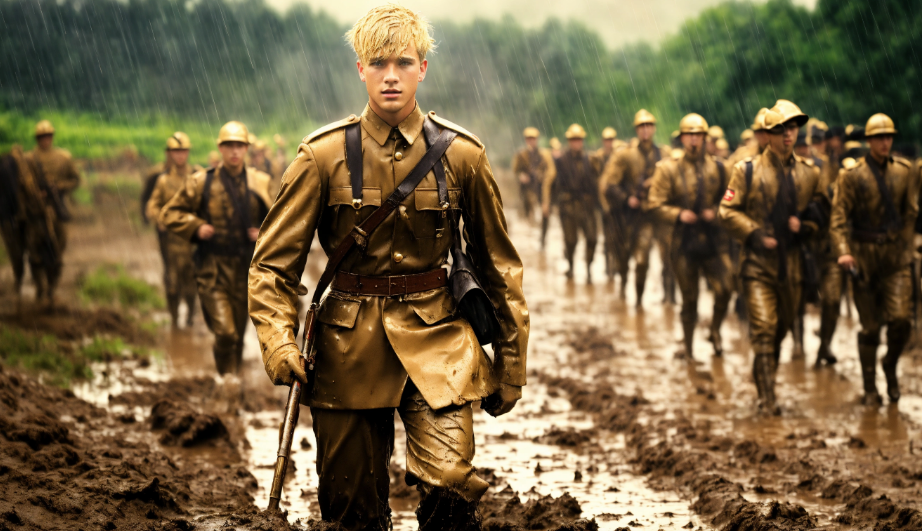
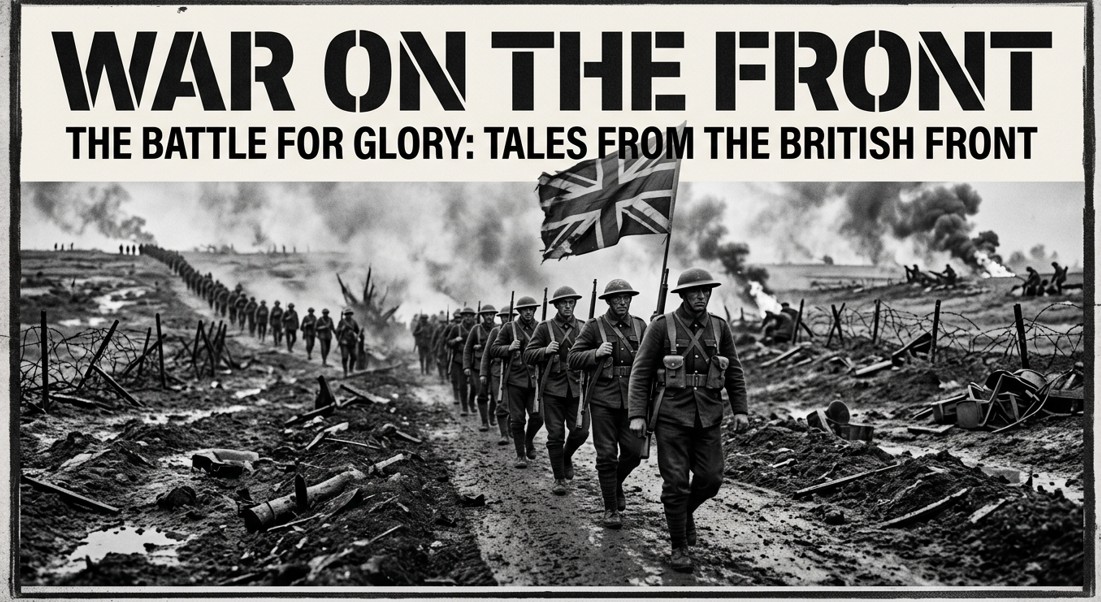
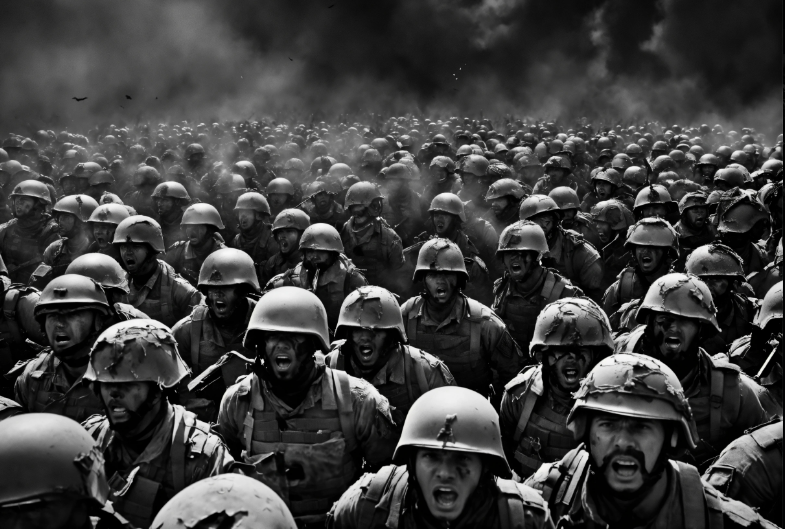
On the Western Front, especially in France and Belgium, battles became marked by trench warfare. Soldiers dug holes in the ground and spent weeks, months, even years there, under rain, cold, mud, rats, and the constant risk of enemy attacks.
The Battle of the Somme, in 1916, is one of the greatest examples of the brutality of this type of combat: in just 5 months, over 1 million soldiers were killed or wounded, with very little territorial gain.
New Weapons, New Wounds
World War I was also a laboratory for modern warfare. It was the first time that the following were used on a large scale:
- Poison gas (like mustard gas and chlorine)
- Machine guns
- Flamethrowers
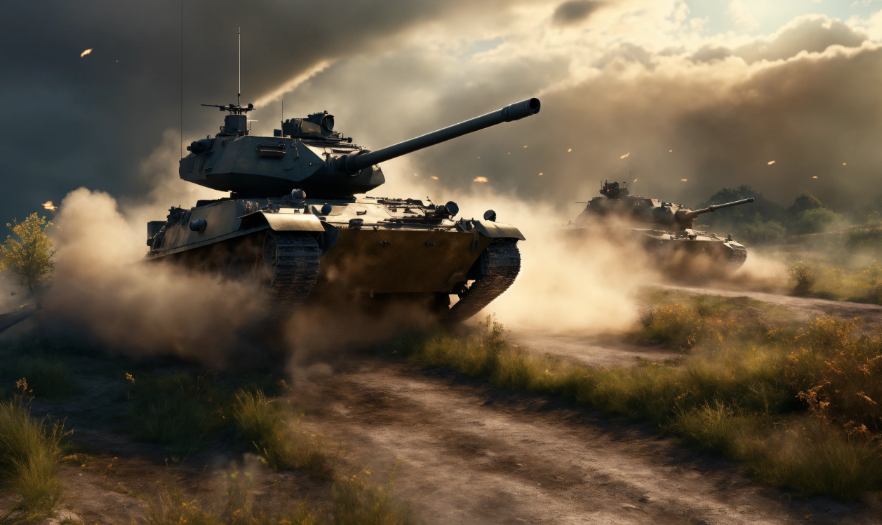
- Tanks
- Military aircraft
- Submarines (U-boats)
These innovations made the battlefield even more dangerous and unpredictable. Many soldiers returned with physical and psychological traumas, which at the time were called “shell shock” — today known as Post-Traumatic Stress Disorder (PTSD).
The War Outside Europe
Although the main focus was in Europe, the conflict was truly global. Battles took place:
- In Africa, between European colonies.
- In the Middle East, with Arab revolts against the Ottoman Empire.
- In the Atlantic and Pacific Oceans, with naval battles.
- On the Eastern Front, between Germany, Austria-Hungary, and Russia.
Additionally, countries like Japan, Canada, Australia, India, and Brazil participated in various ways, sending troops, food, or materials.
The Russian Revolution: War Within the War
Russia’s situation became unsustainable. Successive defeats, economic crisis, and famine led to internal revolts. In 1917, the Russian Revolution broke out. Tsar Nicholas II abdicated, and the Bolsheviks, led by Vladimir Lenin, took power, establishing the first communist regime in history.
Soon after taking power, Lenin signed the Treaty of Brest-Litovsk, withdrawing Russia from the war. It was a decisive move that would change the entire 20th century.
The Entry of the United States
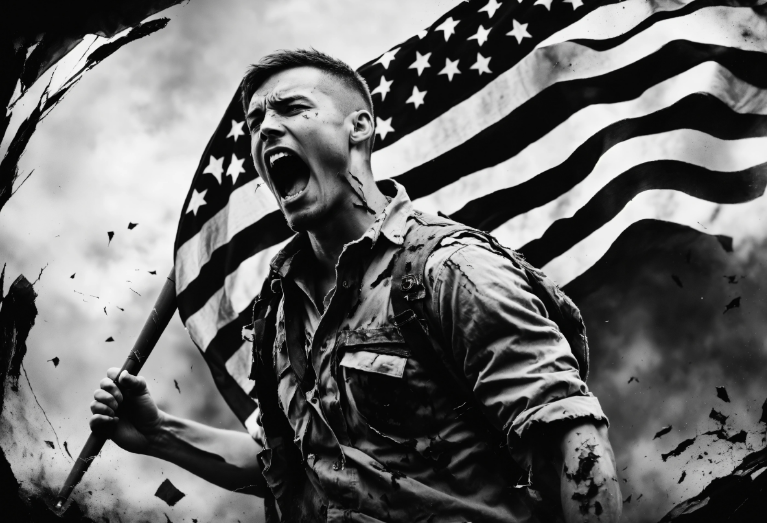
In 1917, the United States, which had remained neutral until then, entered the war on the side of the Triple Entente. The main reason was German submarine attacks on civilian ships — like the Lusitania, which was sunk with 1,198 people on board.
With well-equipped soldiers and high morale, the American entry was one of the factors that led to the Allied victory.
The End of the War
Germany, pressured by internal revolts, lack of resources, and defeats at the front, surrendered. On November 11, 1918, the Armistice of Compiègne was signed, marking the end of the fighting.
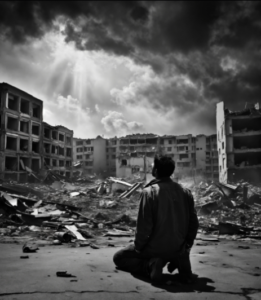
The war was over, but the world was devastated. Millions dead, countries in ruins, economies broken, and societies traumatized.
The Treaty of Versailles
In 1919, the famous Treaty of Versailles was signed, imposing harsh penalties on Germany:
- Loss of territories (13% of its territory and 10% of its population)
- Payment of billions in reparations
- Reduction of the army to 100,000 soldiers
- Ban on having a navy or air force
Germany felt humiliated. This feeling of revenge would be the fuel for the rise of Nazism years later.
New Countries, End of Empires
The war ended four great empires:
- German Empire
- Austro-Hungarian Empire
- Ottoman Empire
- Russian Empire
In their place, several new countries emerged: Poland, Czechoslovakia, Yugoslavia, Finland, Estonia, Latvia, and Lithuania.
These changes redrew the map of Europe and created new tensions that would be resumed in World War II.
Human Consequences
- 17 million dead
- Over 20 million wounded
- Epidemics like the Spanish Flu (1918), which killed about 50 million people
- Medical advances, such as blood transfusion and reconstructive surgery
- Women began to occupy jobs that had previously been exclusive to men, which strengthened the feminist movement
Figures Who Emerged from the War
Several figures who would become important in World War II emerged from this conflict:
- Adolf Hitler: decorated German army soldier.
- Benito Mussolini: fought in the war and founded fascism.
- Winston Churchill: played an important role in the British military command.
Conclusion: The War That Changed the Century
World War I was much more than a military conflict. It destroyed empires, redrew borders, generated revolutions, paved the way for Nazism and Communism, and created traumas that lasted generations. It was the end of one world and the beginning of a new one — more unstable, more technological, and more dangerous.
If you made it this far, congratulations! Now comment below: what stood out to you most about World War I?