Britain Enters the Storm: Heroes, Trenches, and the Blood of the Empire in the First World War
When the First World War began in 1914, Britain entered a conflict that would transform not only Europe but the entire global order.
The British Empire was one of the largest political and economic powers on Earth, stretching across continents and controlling territories in Africa, Asia, the Pacific, and the Americas.
Therefore, when Britain declared war on Germany, the conflict quickly became much larger than a European confrontation.
It became a war involving an entire empire.
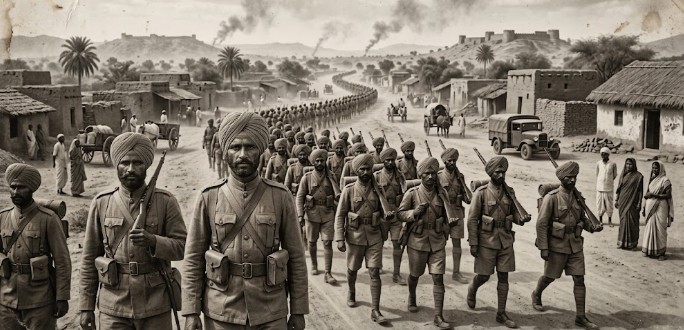
Millions of soldiers from different regions, cultures, and backgrounds were mobilized to defend British interests and support the Allied cause.
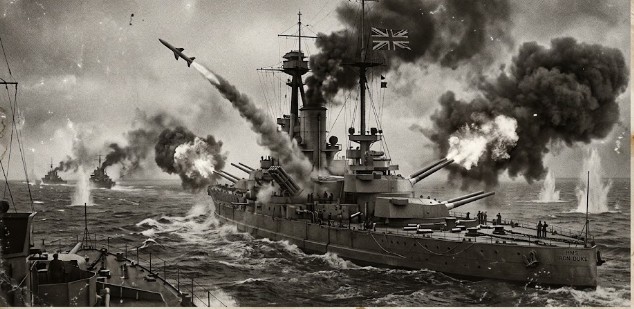
The war would test Britain’s military strength, industrial capacity, and imperial connections like never before.
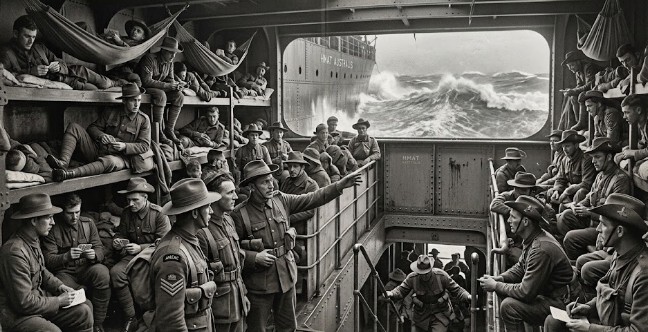
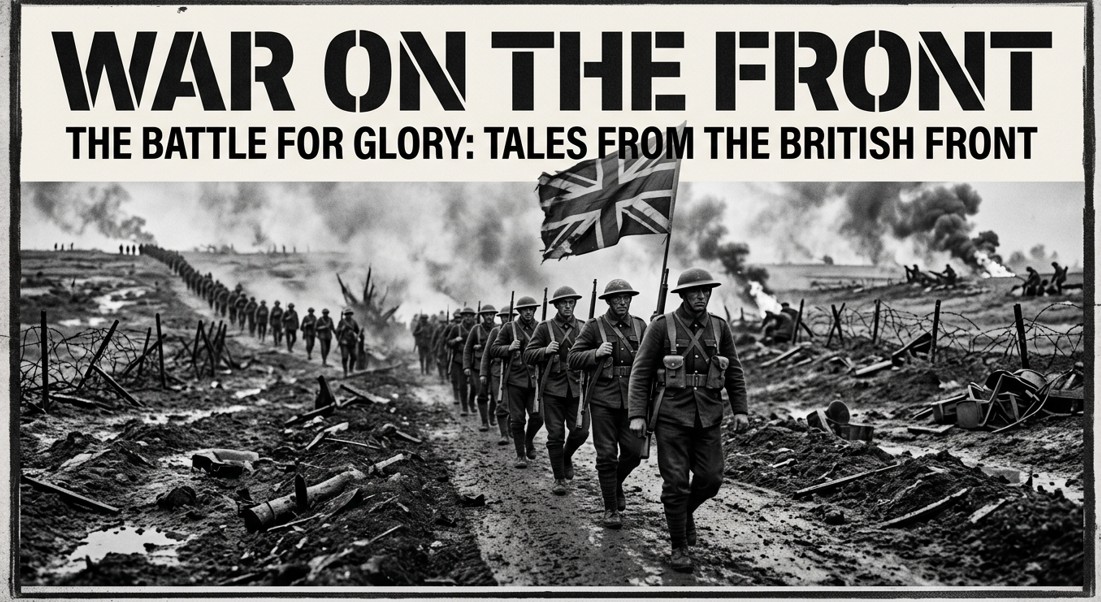
More than 6 million British soldiers were eventually mobilized throughout the conflict, serving not only on the Western Front but also in campaigns across the world.
However, behind the numbers were millions of individual stories of courage, suffering, and sacrifice.
Among all the battles fought by Britain during the First World War, none became as symbolic as the Battle of the Somme in 1916.
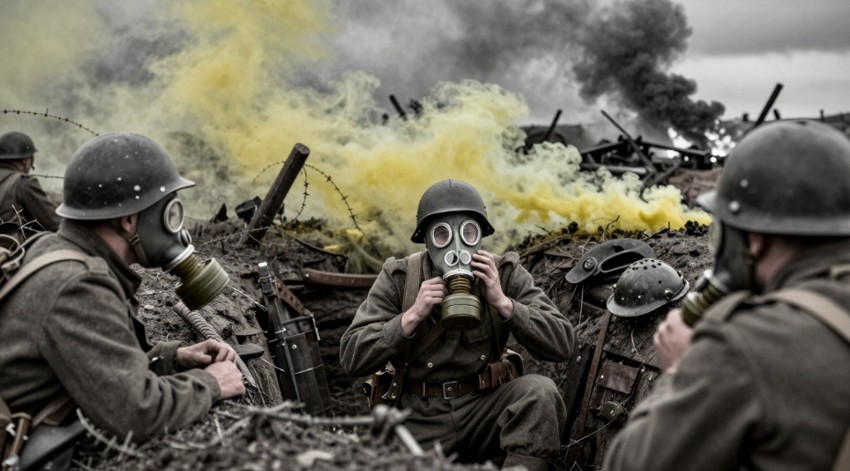
The Somme represented the reality of modern industrial warfare:
- Massive artillery bombardments.
- Machine guns capable of destroying entire formations.
- Defensive trench systems.
- Millions of soldiers exposed to unimaginable conditions.
It became a symbol of British determination, but also of the devastating human cost of a war fought with twentieth-century technology and nineteenth-century tactics.
Britain Mobilizes: An Empire Goes to War
The Decision to Fight Germany
Britain entered World War I after Germany violated Belgian neutrality during its advance toward France.
The British government had long considered the independence of Belgium a matter of strategic importance because control of Belgian territory would place German forces dangerously close to the British Channel.
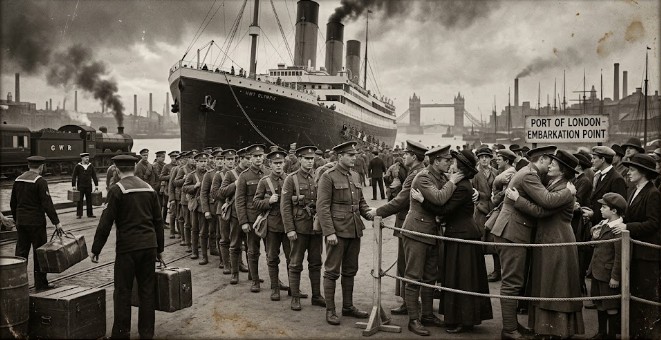
On August 4, 1914, Britain declared war on Germany.
At that moment, the British Empire committed itself to a conflict that would last more than four years and reshape international politics forever.
Unlike the continental armies of France, Germany, and Russia, Britain initially relied heavily on its professional army.
However, the scale of the conflict quickly made clear that a much larger force would be required.
From Professional Army to Mass Mobilization
Before 1914, Britain did not maintain the enormous conscript armies seen in countries such as Germany and France.
The British Army was relatively small compared with its European rivals.
The outbreak of war changed everything.
Britain expanded its military forces through:
- Volunteer recruitment campaigns.
- Expansion of the regular army.
- Later introduction of compulsory military service.
- Mobilization of soldiers from across the empire.
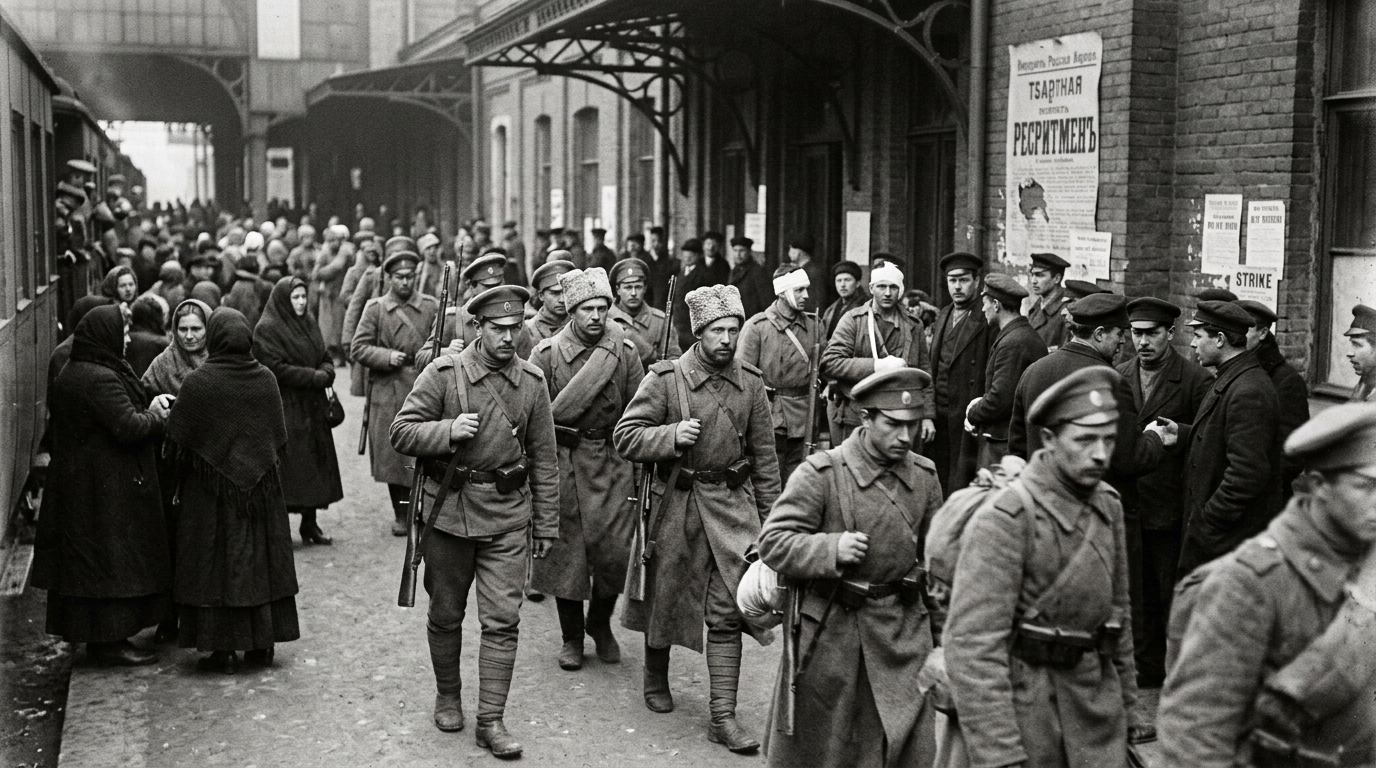
The famous call for volunteers created the British Expeditionary Force (BEF), which was sent to France to support Allied operations.
But as the war continued, Britain transformed from a limited professional force into a massive military organization capable of fighting a global industrial conflict.
The Road to the Battle of the Somme
A Strategy to Relieve Pressure on Verdun
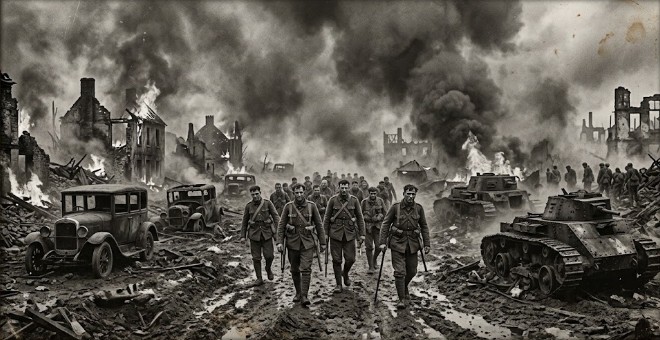
By 1916, the Western Front had become a battlefield of exhaustion.
France was fighting desperately at Verdun, where German forces had launched one of the most intense offensives of the war.
The French Army was suffering enormous losses, and Allied commanders needed a major operation to force Germany to divert troops away from Verdun.
The solution was a large offensive along the Somme River in northern France.
The plan was ambitious:
- Break through German defensive lines.
- Destroy enemy positions.
- Relieve pressure on French forces at Verdun.
- Create a decisive opening on the Western Front.
The operation would become one of the largest Allied attacks of World War I.
The Allied Offensive Begins
June 24, 1916: The Bombardment Starts
The preparation for the Somme offensive began on June 24, 1916.
British and French artillery began a massive bombardment against German positions.
The Allied commanders believed that days of continuous shelling would destroy German defenses and make the infantry advance much easier.
The logic appeared reasonable:
If artillery destroyed enemy trenches and defensive positions, attacking soldiers could cross no man’s land and capture the battlefield.
However, the reality would be very different.
The Germans had spent years developing defensive systems designed specifically to survive artillery attacks.
Their trenches were not simple holes in the ground.
They were complex military structures.
German Defensive Strength
The British underestimated the strength of German fortifications.
German positions included:
- Deep underground shelters.
- Reinforced concrete structures.
- Protected machine-gun positions.
- Multiple defensive lines.
- Barbed-wire obstacles.
Many German soldiers survived the Allied bombardment by taking shelter underground.
When the shelling stopped and British infantry began advancing, German forces emerged from their defenses ready to respond.
Instead of facing a defeated enemy, British soldiers encountered a disciplined and prepared army.
The result would become one of the greatest disasters in British military history.
July 1, 1916: The Bloodiest Day in British Military History
The First British Assault
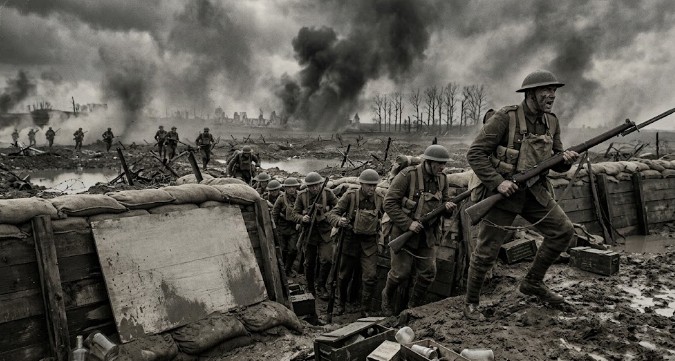
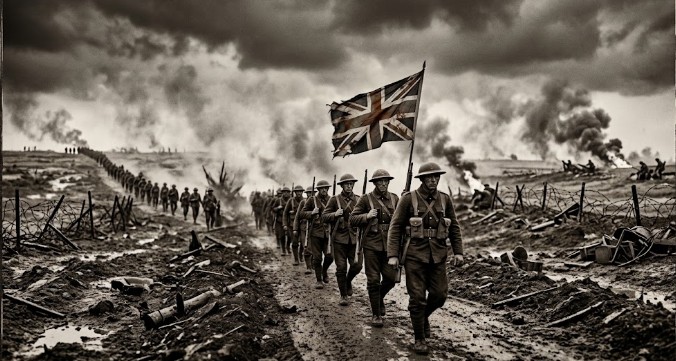
At 6:30 a.m. on July 1, 1916, the main British attack began.
Thousands of soldiers climbed out of their trenches and advanced toward German positions.
The attack took place in several areas, including:
- Beaumont-Hamel.
- Fricourt.
- Other sectors along the Somme battlefield.
British commanders believed that the previous week of artillery bombardment had destroyed German resistance.
Many expected the attack to produce a major breakthrough.
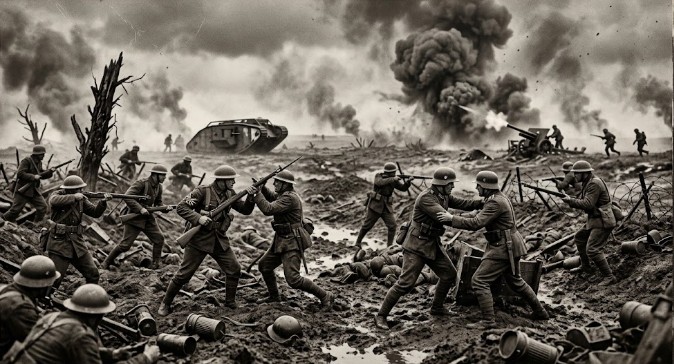
Instead, soldiers advancing across open ground faced one of the deadliest combinations in military history:
- Machine-gun fire.
- Artillery explosions.
- Barbed wire obstacles.
- Exposed terrain.
The battlefield quickly became a scene of unimaginable destruction.
The Catastrophe of a Single Day
The losses suffered by Britain on July 1 were devastating.
In only twenty-four hours:
- Approximately 20,000 British soldiers were killed.
- Around 35,000 were wounded.
- Total casualties reached approximately 55,000 men.
It became the bloodiest single day in British military history.
Many soldiers never reached the German lines.
Some were killed while crossing no man’s land.
Others were trapped in shell craters or caught under continuous machine-gun fire.
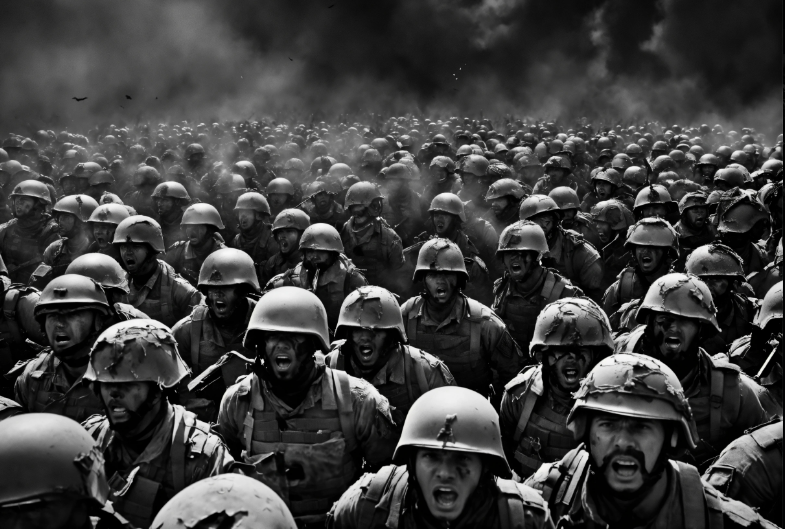
The battlefield became filled with wounded soldiers, destroyed equipment, and scenes that would remain permanently recorded in the memories of survivors.
The Reality of Modern Warfare
When Old Tactics Met New Weapons
The disaster of the first day of the Somme demonstrated a fundamental problem of World War I:
Military strategies had not adapted quickly enough to new technology.
Generals still used traditional ideas of mass infantry attacks, but the battlefield had changed completely.
Modern weapons had transformed warfare.
A soldier crossing open ground now faced:
- Machine guns capable of firing hundreds of rounds per minute.
- Heavy artillery capable of destroying entire units.
- Defensive trenches designed to stop advances.
- Chemical weapons and new forms of military technology.
The Somme revealed that courage alone was no longer enough.
Individual bravery could not overcome industrial firepower.
A Battle That Would Last Months
The Beginning of a Long Struggle
Despite the terrible losses of July 1, the Battle of the Somme continued.
The offensive lasted until November 1916.
The fighting became a brutal contest of endurance rather than a rapid breakthrough.
Over the course of the battle:
- More than 1 million soldiers were killed, wounded, or missing on both sides.
- British, French, and German armies suffered enormous losses.
- Entire landscapes were transformed into fields of mud and destruction.
The Somme became one of the clearest examples of the cost of attrition warfare.
The objective was not always to capture territory.
Sometimes it was simply to exhaust the enemy before being exhausted oneself.