Storm of Steel: How Imperialism and Economic Rivalry Led the World into World War I
World War I was not simply the result of a single assassination, a diplomatic mistake, or an isolated political crisis. The conflict that began in 1914 was the culmination of decades of economic competition, imperial ambitions, military preparation, and growing tensions among the world’s major industrial powers.
By the beginning of the twentieth century, Europe had become the center of a global system based on industrial expansion and colonial domination. Nations competed not only for political influence but also for access to resources, markets, trade routes, and strategic territories.
The Industrial Revolution had transformed European societies. Factories expanded, production increased, and economies became increasingly dependent on a continuous supply of raw materials and new consumers. This economic transformation pushed European governments and companies beyond their national borders, creating a worldwide competition for influence.
The world before 1914 was therefore marked by a dangerous combination: powerful industrial economies, aggressive imperial ambitions, expanding military forces, and nationalist ideologies that encouraged nations to see rivalry as inevitable.
The First World War emerged from this unstable environment, where economic competition and political ambition gradually transformed international disputes into a global confrontation.
The Industrial Revolution and the Global Race for Resources
The rapid growth of industrial capitalism created enormous opportunities but also generated new pressures. European industries required constant access to essential resources such as coal, minerals, rubber, oil, cotton, and other materials necessary for mass production.
The economic crisis of the 1870s intensified this competition. As European economies faced instability and increased industrial rivalry, governments searched for new ways to protect their industries and maintain economic growth.
Great Britain was already ahead of its European competitors. Through centuries of maritime expansion, it had established one of the largest colonial networks in history. Its empire provided access to resources, international markets, and strategic locations around the world.
Other European powers, however, wanted to challenge British dominance.
Countries such as Germany, France, Italy, Belgium, and even the Austro-Hungarian Empire began seeking overseas territories that could provide:
- New sources of raw materials for growing industries.
- Foreign markets for manufactured goods.
- Strategic ports and trade routes.
- Greater political influence on the international stage.
- Economic advantages over rival nations.
Colonial expansion became closely connected to national power. Possessing colonies was increasingly viewed not only as a sign of wealth but also as proof of a country’s strength and global importance.
The Expansion of European Imperialism
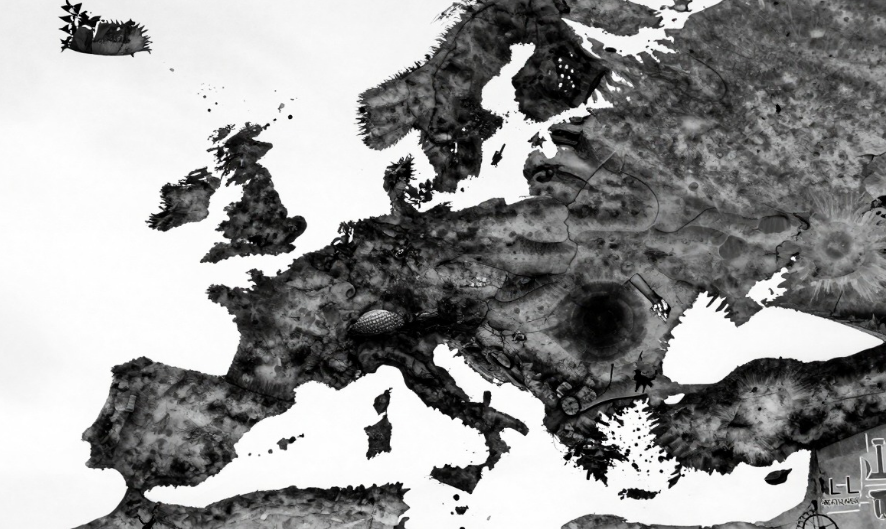
European imperialism expanded rapidly during the late nineteenth century, particularly in Africa and Asia. Industrial powers used their technological advantages, military capabilities, and economic resources to establish control over large territories.
The competition for colonies created constant tensions between European nations. Colonial disputes were no longer isolated conflicts between individual countries; they became part of a much larger struggle for global influence.
Africa became one of the main arenas of this rivalry. European governments divided territories, established colonial administrations, and competed for access to valuable resources.
Asia also became a region of intense competition, especially because of its large populations, commercial importance, and strategic location.
Imperialism was therefore not only a political project but also an economic strategy. Control over foreign territories meant control over:
- Natural resources.
- International commerce.
- Military positions.
- Transportation routes.
- Future economic opportunities.
As European powers expanded, their interests increasingly collided, creating rivalries that would later contribute to the outbreak of war.
Friedrich Engels and the Expansion of Capital

The connection between capitalism, industrial growth, and imperial expansion was already being debated during the nineteenth century.
German philosopher Friedrich Engels, a close collaborator of Karl Marx, argued that economic systems based on industrial competition encouraged powerful nations and wealthy elites to seek new areas for investment and profit.
As wealth became increasingly concentrated among industrialists and financial groups, overseas expansion became an attractive solution for finding new opportunities and reducing internal economic pressures.
From this perspective, imperialism was not simply about acquiring territory. It was also about securing economic advantages in a world where nations increasingly competed for limited resources and markets.
The result was an international environment in which economic rivalry became deeply connected with political and military power.
Britain and the Challenge of German Expansion
Great Britain remained the dominant imperial power at the beginning of the twentieth century. Its empire extended across Africa, Asia, the Americas, and Oceania, giving London enormous economic and strategic advantages.
The famous phrase “the sun never sets on the British Empire” reflected the extraordinary geographic reach of British influence.
Britain controlled:
- Major naval routes.
- Important commercial ports.
- Large colonial territories.
- Access to valuable natural resources.
This global position created concern among rising powers, especially Germany.
After German unification in 1871, the country experienced rapid industrial growth and sought a greater role in international affairs. German leaders increasingly believed that their nation’s economic strength required greater political and colonial influence.
For many German nationalists, Britain’s empire represented the main obstacle preventing Germany from becoming a true global power.
This growing rivalry between an established empire and an emerging industrial power became one of the central tensions shaping European politics before World War I.
Industrialization Turns Warfare Into a Modern Machine
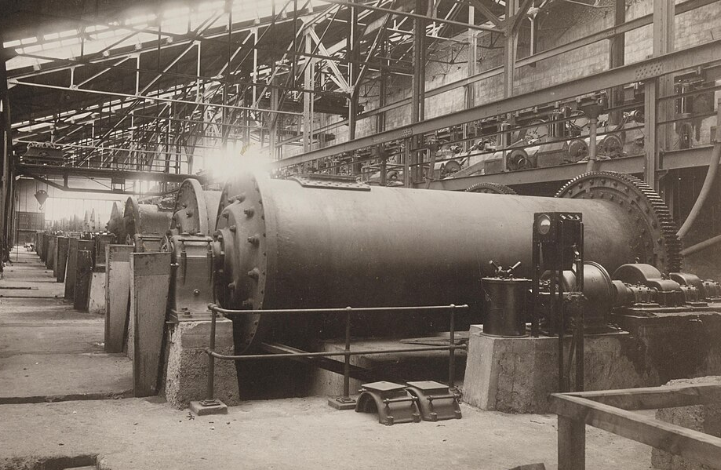
The same industrial forces that transformed European economies also transformed the nature of warfare. By the end of the nineteenth century, military power was increasingly connected to industrial capacity.
A country’s ability to produce weapons, build modern ships, manufacture ammunition, and transport troops efficiently became a fundamental measure of national strength.
The development of new technologies changed the battlefield dramatically. Traditional armies based mainly on infantry and cavalry were being replaced by highly organized forces supported by industrial production.
New military innovations included:
- Machine guns capable of devastating enemy formations.
- Large battleships designed to control important sea routes.
- Long-range artillery with greater destructive power.
- Military railways capable of rapidly moving troops and supplies.
- Chemical weapons that introduced new forms of warfare.
These developments created a new reality: a future European conflict would not be limited to small professional armies. It would involve entire industrial societies capable of producing destruction on an unprecedented scale.
The Rise of the Military-Industrial Complex
The expansion of military production created a close relationship between governments, financial institutions, steel companies, and weapons manufacturers.
Large industrial corporations benefited from increasing military spending, while governments viewed strong armies and navies as essential tools for protecting national interests.
This relationship contributed to what became known as the military-industrial complex, where economic interests and strategic decisions became increasingly connected.
Steel production, shipbuilding, engineering, and chemical industries all became linked to national defense.
The expansion of military industries created a cycle:
- Industrial growth increased military capabilities.
- Greater military capabilities encouraged international competition.
- Competition led governments to invest even more in weapons.
- Increased militarization deepened fears between rival nations.
By the early twentieth century, Europe had entered a period of permanent preparation for war.
Economic Rivalry and the Rise of Protectionism
Defending National Markets
Economic competition between European powers was not limited to colonies. Inside Europe itself, nations increasingly adopted protectionist policies designed to defend their own industries.
Governments imposed tariffs and restrictions to prevent foreign goods from damaging domestic production.
Countries such as Germany, France, and Italy attempted to strengthen their economies by protecting national companies and securing exclusive access to colonial markets.
These policies increased economic tensions because each nation sought advantages over its competitors.
The result was a continent divided by competing economic interests.
European powers were not only preparing for a possible military conflict; they were already engaged in a struggle over trade, resources, and industrial influence.
Imperialism as Economic Security
For many governments, imperial expansion became a way to guarantee long-term economic security.
Colonies were viewed as valuable because they provided:
- Reliable access to essential resources.
- New consumers for industrial products.
- Strategic locations for military operations.
- Greater influence over international trade.
This created a dangerous situation in which economic interests became directly connected to national pride and military strategy.
A country that expanded its empire was considered stronger. A country that failed to expand risked losing influence to its rivals.
As a result, imperialism became a source of constant competition rather than cooperation.
The Alliance System and the Division of Europe
The Creation of Rival Military Blocs
As tensions increased, European powers began forming alliances designed to protect themselves against possible conflicts.
These agreements were intended as defensive arrangements, but they also created a divided continent where a dispute between two nations could quickly involve many others.
By the beginning of the twentieth century, Europe had been organized into two major political and military groups.
The Triple Alliance
The alliance was created as a response to growing international tensions and the desire for mutual protection.
Germany, the strongest industrial power in Central Europe, saw the alliance as a way to secure its position against potential rivals.
Austria-Hungary sought support for maintaining its influence in a region increasingly affected by nationalist movements, especially in the Balkans.
Italy joined the alliance while also pursuing its own ambitions for greater international recognition.
Although presented as a defensive agreement, the existence of the Triple Alliance increased suspicion among other European powers.
The Triple Entente
In response to Germany’s growing influence, Great Britain, France, and Russia gradually developed closer cooperation.
This relationship became known as the Triple Entente between 1904 and 1907.
The three powers shared concerns about the balance of power in Europe and the possibility of German expansion.
The Triple Entente was based on cooperation between:
- France, which sought security against Germany after the defeat of 1871.
- Russia, which wanted to maintain influence in Eastern Europe and the Balkans.
- Great Britain, which was concerned about Germany’s naval and industrial growth.
The creation of these two opposing blocs transformed Europe into a highly fragile political system.
The Arms Race and the Fear of Inevitable War
A Continent Preparing for Conflict
The alliance system intensified military competition. Each country viewed the growth of neighboring armies as a direct threat.
Governments increased military budgets, expanded armies, and developed new weapons.
The naval rivalry between Britain and Germany became one of the clearest examples of this competition.
Germany sought to build a powerful fleet capable of challenging British naval dominance, while Britain considered control of the seas essential for protecting its empire.
This competition created an atmosphere of suspicion and fear.
Many political leaders and military planners began to believe that a major European war was not a question of “if” but “when.”
The World as a Geopolitical Chessboard
By 1914, Africa, Asia, and parts of Eastern Europe had become areas where imperial ambitions, economic interests, and military strategies collided.
The major powers were connected through alliances, but those same alliances also increased the danger of a larger conflict.
A crisis involving one country could now activate agreements involving several others, turning a regional dispute into an international war.
The world had entered a period where industrial strength, colonial ambition, nationalism, and military preparation were moving together toward confrontation.