Verdun: The Battle That Became a Symbol of Industrial War
Among all the battles of the First World War, few represent the brutality and scale of modern industrial warfare as much as the Battle of Verdun.
Located along the Meuse River in northeastern France, the small fortified city of Verdun became the center of one of the longest and most devastating confrontations in military history.
The battle lasted from February 21 to December 18, 1916, nearly ten months of continuous combat in which French and German armies fought for a position that had enormous strategic and symbolic importance.
Verdun was not simply a battle over territory.
For France, the city represented national pride and resistance. For Germany, it became the location chosen for a strategy designed to weaken the French Army permanently.
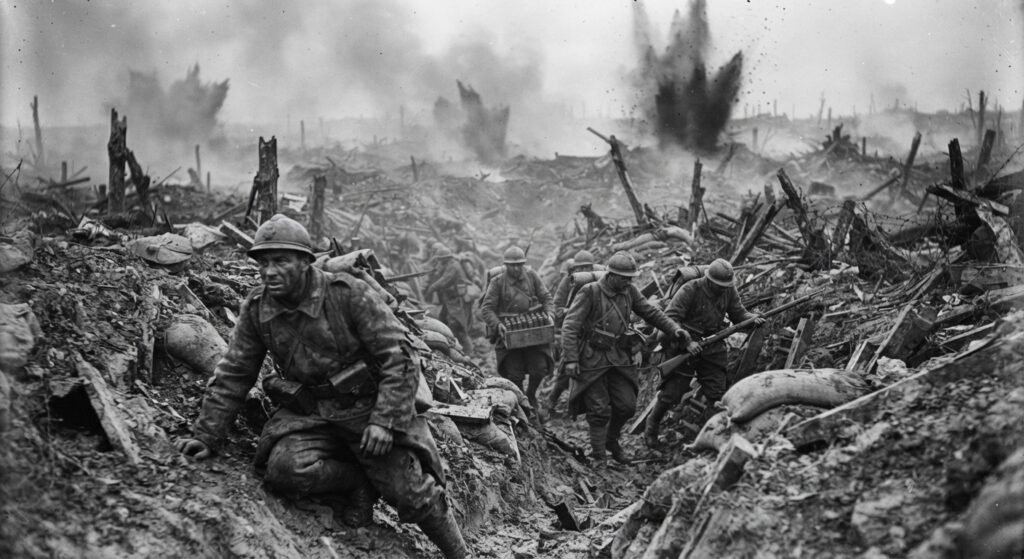
The battlefield became a nightmare of:
- Endless artillery bombardments.
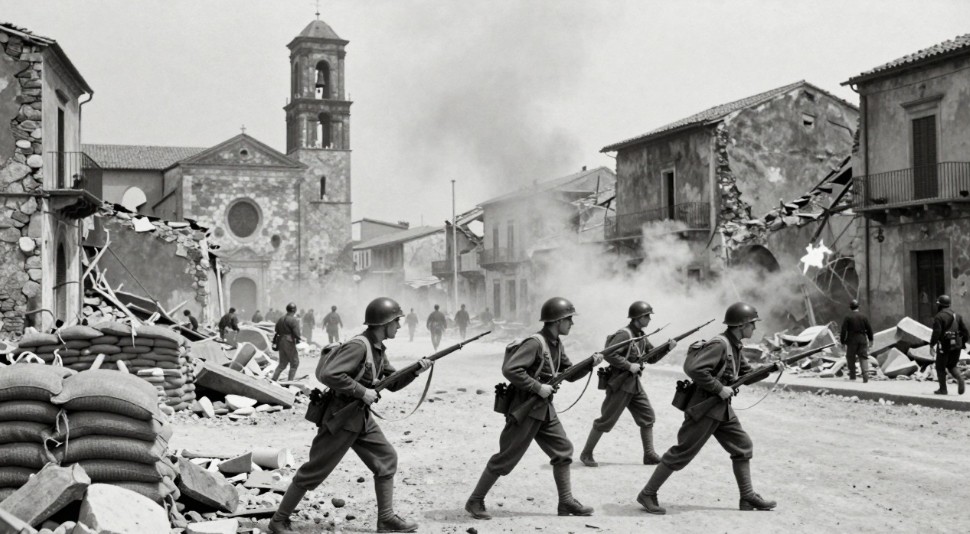
- Destroyed villages.
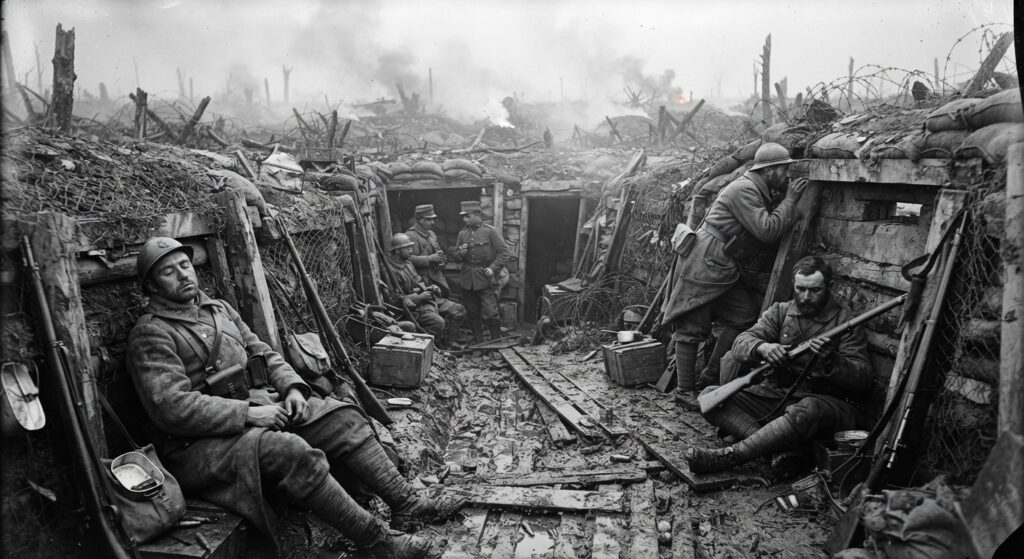
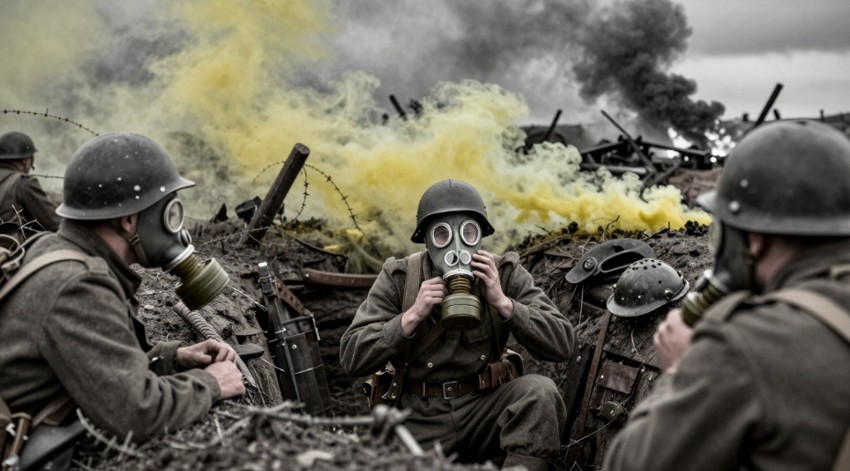
- Soldiers trapped in flooded trenches.
- Millions of artillery shells.
- Psychological and physical exhaustion.
Approximately 2.4 million soldiers participated in the battle:
- Around 1.14 million French troops.
- Approximately 1.25 million German soldiers.
The human cost was extraordinary:
- France suffered around 377,000 casualties, including approximately 162,000 deaths.
- Germany suffered around 337,000 casualties, with more than 100,000 killed.
In total, more than 700,000 soldiers became casualties, including nearly 300,000 deaths.
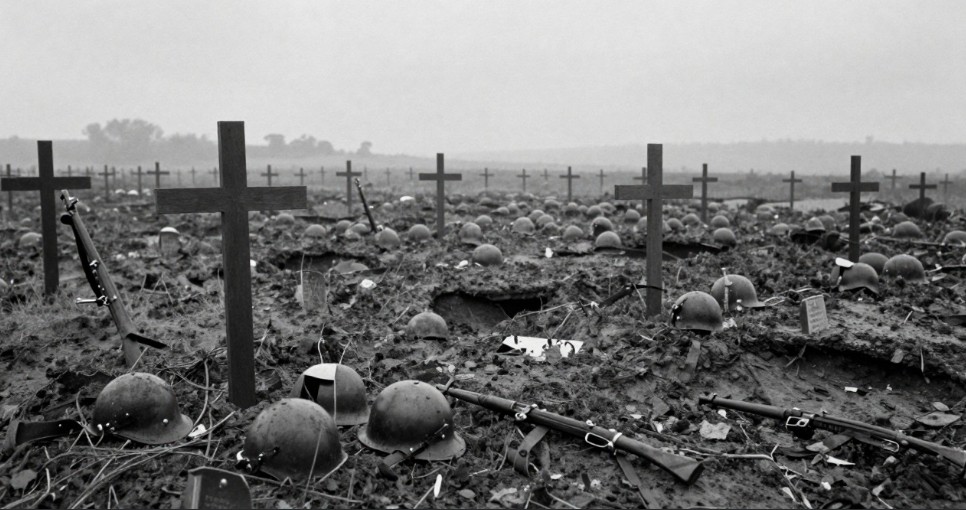
Verdun became known not because of territorial changes, but because of the unimaginable human sacrifice demanded by modern warfare.
Falkenhayn’s Strategy: Destroying France Through Attrition
The decision to attack Verdun came from the German Chief of Staff, General Erich von Falkenhayn.
Unlike traditional offensives aimed at capturing large territories, Falkenhayn developed a different strategy.
His objective was to force France into a battle of exhaustion.
The idea was simple:
Germany would attack a location so important to French national identity that France would be forced to defend it at any cost.
The German commander believed that Verdun could become a battlefield where the French Army would suffer continuous losses until its military strength was permanently damaged.
The objective was often described as a strategy to “bleed France white.”
Verdun: A Fortress With Historical Importance
Verdun was chosen for several reasons.
The city had been a key defensive point for centuries because of its location near the German border.
Its importance came from:
- Its position along major military routes.
- Its network of forts.
- Its symbolic meaning for French national defense.
- Its role as a protective barrier against invasion.
However, before the German attack, Verdun’s defenses had been weakened.
Many heavy weapons had been removed and transferred to other areas, especially because French commanders believed another major German offensive would occur elsewhere.
The fortress system had lost significant strength:
- 43 heavy artillery batteries were removed.
- 11 light artillery batteries were also withdrawn.
This decision left Verdun more vulnerable than German intelligence expected.
The Railway Machine Behind the Offensive
Germany Prepares in Secret
The German Army understood that success at Verdun would depend on logistics.
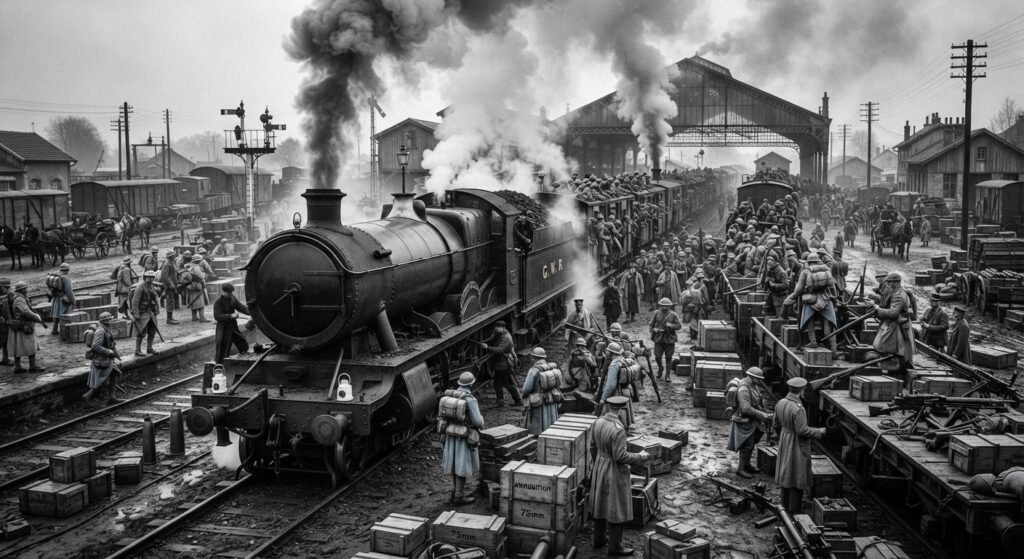
Before the attack began, German planners secretly moved approximately 25 divisions into position using night railway operations.
The railway network became a weapon itself.
It allowed Germany to:
- Transport troops quickly.
- Move artillery pieces.
- Deliver ammunition.
- Maintain constant pressure against French defenses.
The concentration of German forces around Verdun was one of the largest logistical operations of the war.
Behind the battlefield destruction was a massive industrial system designed to feed the battle continuously.
February 21, 1916: The Beginning of the Inferno – The Opening Bombardment
At 4:00 a.m. on February 21, 1916, the German offensive began.
The first phase was not an infantry attack.
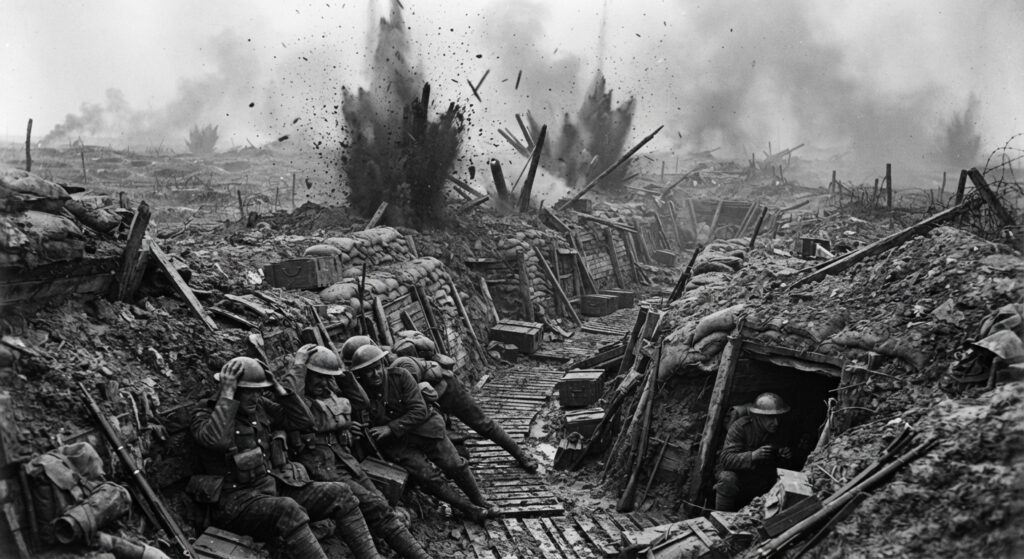
It was an overwhelming artillery assault.
German guns opened fire against French positions with a level of destruction rarely seen before.
During the opening bombardment:
- More than 2 million shells were fired.
- Heavy artillery destroyed trenches, forests, roads, and defensive positions.
- Entire areas were transformed into landscapes of mud and craters.
During the entire battle, estimates suggest that between 40 and 60 million shells were fired.
The battlefield became a place where artillery dominated every moment.
The Sound of Constant Destruction
Soldiers who experienced Verdun described the bombardment as a continuous earthquake.
The intensity was so extreme that the ground itself seemed alive.
The daily destruction reached unimaginable levels:
- Approximately 75,000 shells were fired per day during the battle.
- The sound of explosions became permanent.
- Communication between units became extremely difficult.
- Soldiers lived under constant fear of sudden death.
The battlefield was transformed into an environment where survival depended not only on courage but also on luck.
The Imbalance Between French and German Firepower – Germany’s Superior Artillery Advantage
At the beginning of Verdun, the German Army possessed a major advantage in artillery.
German forces deployed:
- More than 1,200 artillery pieces.
- Heavy mortars.
- Large-caliber guns.
- Naval artillery adapted for land operations.
France, by comparison, had approximately:
- 270 artillery guns available in the initial defense.
The ammunition difference was equally dramatic.
Germany entered the battle with approximately:
- 600,000 artillery shells ready for use.
French forces had around:
- 6,400 shells available.
This imbalance created an extremely dangerous situation for French defenders.
The first weeks of Verdun appeared to confirm Germany’s belief that overwhelming firepower could destroy French resistance.
The Fall of French Confidence and the Rise of Pétain- Joffre’s Strategic Mistake
French Commander-in-Chief General Joseph Joffre had underestimated the danger facing Verdun.
His attention was focused on preparations for the upcoming Somme Offensive, a major Allied operation planned for 1916.
As a result, Verdun’s defenses were weakened at the exact moment Germany prepared its largest attack.
The decision would later become one of the most criticized moments of French military leadership during the war.
Philippe Pétain Takes Command
As the situation became increasingly desperate, General Philippe Pétain was appointed commander of French forces at Verdun.
His arrival changed the defensive strategy.
Pétain understood that France could not simply send soldiers into the battle without organization.
Instead, he created a system known as the “Noria” rotation system.
The principle was simple:
- Units would be rotated regularly.
- Divisions would leave the battlefield after approximately 15 days or heavy losses.
- Fresh troops would replace exhausted soldiers.
This prevented individual units from being completely destroyed psychologically and physically.