U.S. Military Intervention in Venezuela: What’s Behind the Threat?
Introduction: Why Venezuela Has Become a Global Flashpoint
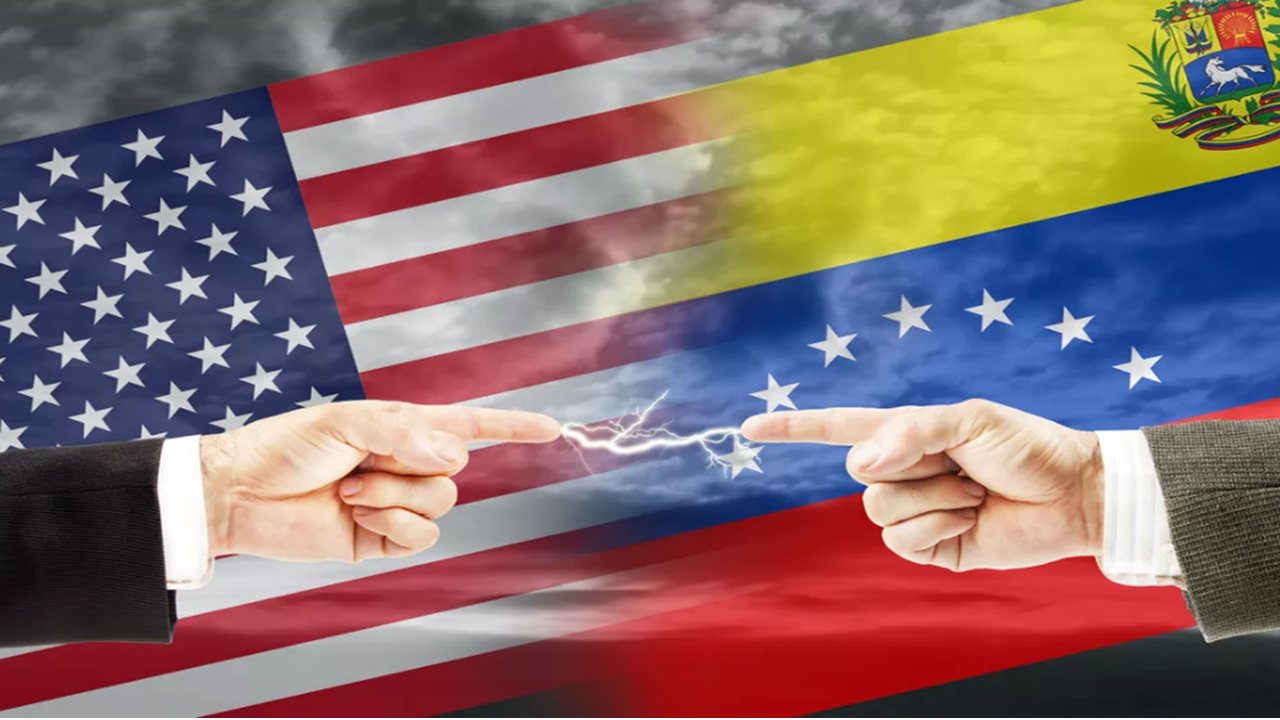
In recent years, Venezuela has emerged as one of the most critical geopolitical hotspots in the Western Hemisphere. Once one of Latin America’s wealthiest nations, the country is now engulfed in a profound political, economic, and humanitarian crisis. Hyperinflation, widespread shortages of food and medicine, mass migration, and political repression have transformed daily life into a struggle for survival for millions of Venezuelans.
Amid this internal collapse, international tensions have escalated. The possibility of a U.S. military intervention in Venezuela—once considered unthinkable—has become a recurring topic in political debates, intelligence analyses, and global media coverage. While no official declaration of war exists, growing military movements, diplomatic pressure, and strategic signaling suggest that the situation is far from resolved.
This article explores what lies behind the threat of U.S. military intervention, examining Venezuela’s internal crisis, its alleged role in international drug trafficking, U.S. foreign policy objectives, regional geopolitics, and the potential consequences for Latin America and the global balance of power.
Venezuela’s Political and Humanitarian Crisis: A Nation on the Brink
Venezuela’s crisis did not emerge overnight. Over the past two decades, political instability, economic mismanagement, corruption, and declining oil production have eroded the country’s foundations. Under President Nicolás Maduro, the situation worsened dramatically, especially after the collapse of global oil prices and the tightening of international sanctions.
Hyperinflation reached catastrophic levels, rendering salaries nearly worthless. Hospitals struggle without basic supplies, electricity blackouts are frequent, and millions of citizens face food insecurity. According to international organizations, over seven million Venezuelans have fled the country, creating one of the largest migration crises in modern history.
At the same time, political repression intensified. Opposition leaders have been arrested, protests violently suppressed, and democratic institutions weakened. These conditions have fueled international condemnation and placed Venezuela at the center of diplomatic disputes, particularly with the United States.
Venezuela and the Global Drug Trade: A Strategic Corridor
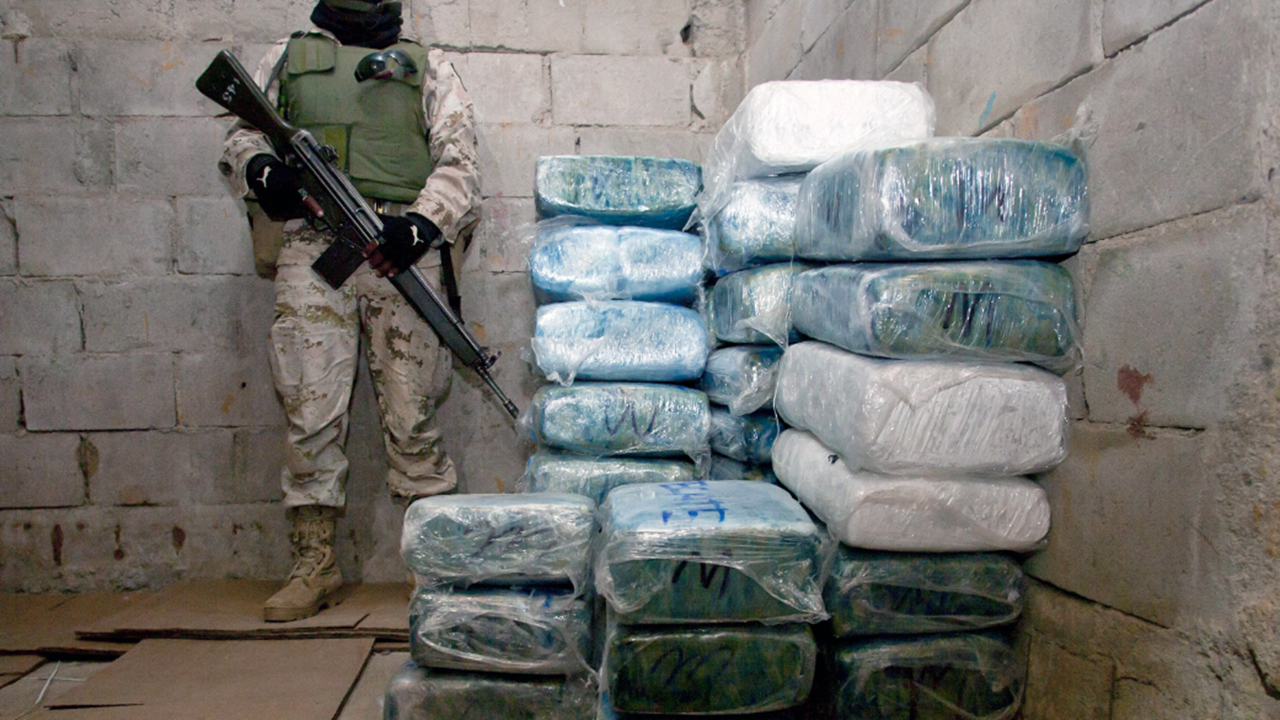
Beyond its internal collapse, Venezuela has become increasingly associated with international drug trafficking networks. Due to its geographic position, the country serves as a strategic corridor between cocaine-producing regions in South America and consumer markets in North America and Europe.
Weak state institutions, limited border control, and alleged complicity within elements of the government have allowed criminal organizations to expand their operations. Several reports and investigations suggest that powerful networks—often referred to as the Cartel of the Suns—operate with protection from high-ranking officials.
From a U.S. strategic perspective, this issue goes beyond crime. Drug trafficking is considered a national security threat, linked to organized crime, money laundering, and regional instability. As a result, Venezuela’s alleged involvement in the global drug trade has significantly intensified tensions with Washington.
Rising Tensions Between the United States and Venezuela
The relationship between the United States and Venezuela has deteriorated steadily since the early 2000s. Sanctions, diplomatic isolation, and public confrontations have become routine. Under former U.S. President Donald Trump, the U.S. adopted a policy of “maximum pressure,” imposing harsh economic sanctions aimed at weakening Maduro’s government.
These measures targeted Venezuela’s oil industry, financial system, and key political figures. While the stated goal was to restore democracy, critics argue that sanctions also deepened the humanitarian crisis, increasing suffering among ordinary citizens.
Despite changes in U.S. administrations, Venezuela remains a central concern in American foreign policy. The ongoing instability, combined with allegations of criminal state behavior, keeps the option of stronger action—including military measures—on the table, even if officially framed as a last resort.
The Military Dimension: Signals, Deployments, and Strategic Messaging
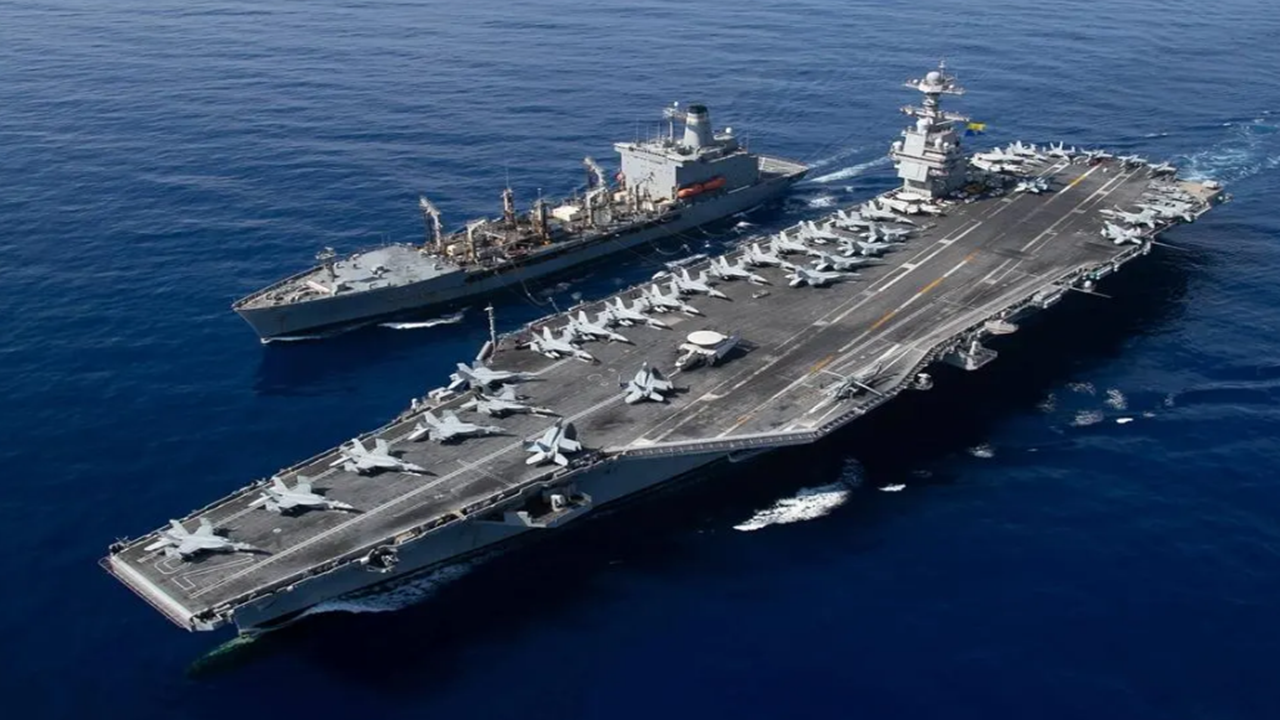
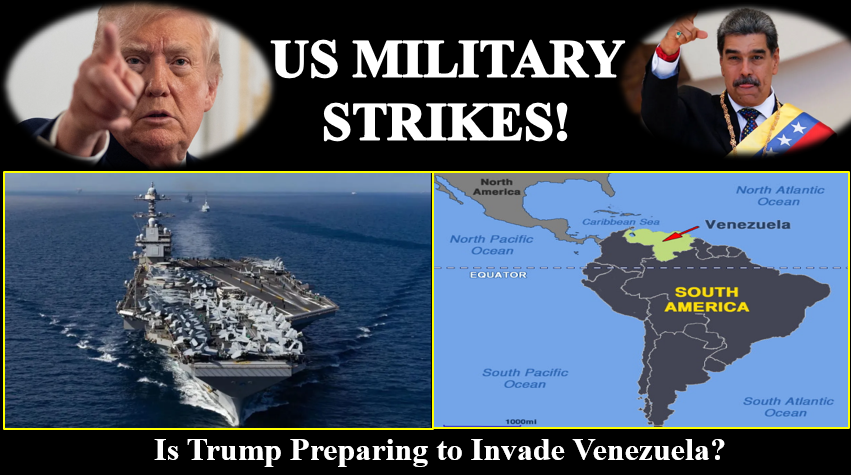
One of the most visible signs of escalating tension has been the increased U.S. military presence in the Caribbean region. The deployment of advanced naval assets, including aircraft carriers and surveillance ships, has drawn international attention.
The arrival of the USS Gerald R. Ford, the most technologically advanced aircraft carrier ever built, sent a clear strategic message. While officially described as a routine deployment, such moves are widely interpreted as demonstrations of force and readiness.
Military analysts emphasize that these deployments do not necessarily indicate an imminent invasion. Instead, they function as deterrence tools, designed to pressure adversaries, reassure allies, and maintain regional dominance without direct confrontation.
Would the U.S. Actually Intervene Militarily in Venezuela?
The possibility of a full-scale U.S. military intervention remains highly controversial. On one hand, proponents argue that removing Maduro could stabilize the region, weaken criminal networks, and restore democratic governance. On the other hand, critics warn that military intervention could trigger chaos, prolonged conflict, and civilian suffering.
Venezuela’s military, while weakened, is still significant. Additionally, the presence of armed civilian groups and irregular forces would complicate any intervention. Urban warfare, infrastructure damage, and humanitarian fallout are serious risks that policymakers must consider.
Historically, U.S. interventions in Latin America have produced mixed outcomes. As a result, Washington appears cautious, favoring diplomatic pressure, sanctions, and regional coordination over direct military action—for now.
Regional and Global Geopolitical Implications
Venezuela’s crisis extends far beyond its borders. Countries such as Colombia, Brazil, and Peru face increasing pressure due to migration flows and border instability. A military conflict would likely exacerbate these challenges.
On a global scale, Venezuela has strengthened ties with Russia, China, and Iran, complicating the situation further. These alliances transform Venezuela into a geopolitical chessboard, where global powers compete for influence in the Western Hemisphere.
Any U.S. military action would not only affect Venezuela but could also reshape diplomatic relations, trade routes, and security arrangements across Latin America and beyond.
Diplomacy vs. Force: Is There an Alternative Path?
Despite escalating rhetoric, diplomacy remains a critical option. International mediators, regional organizations, and multilateral institutions continue to explore peaceful solutions, including negotiated elections, humanitarian agreements, and gradual sanctions relief.
Dialogue, however, faces obstacles: mutual distrust, internal divisions, and competing geopolitical interests. Still, many experts argue that long-term stability cannot be achieved through military force alone.
A negotiated transition, though complex and slow, may offer the only sustainable path to recovery, minimizing human suffering and regional destabilization.
What a Military Intervention Could Mean for Venezuelans
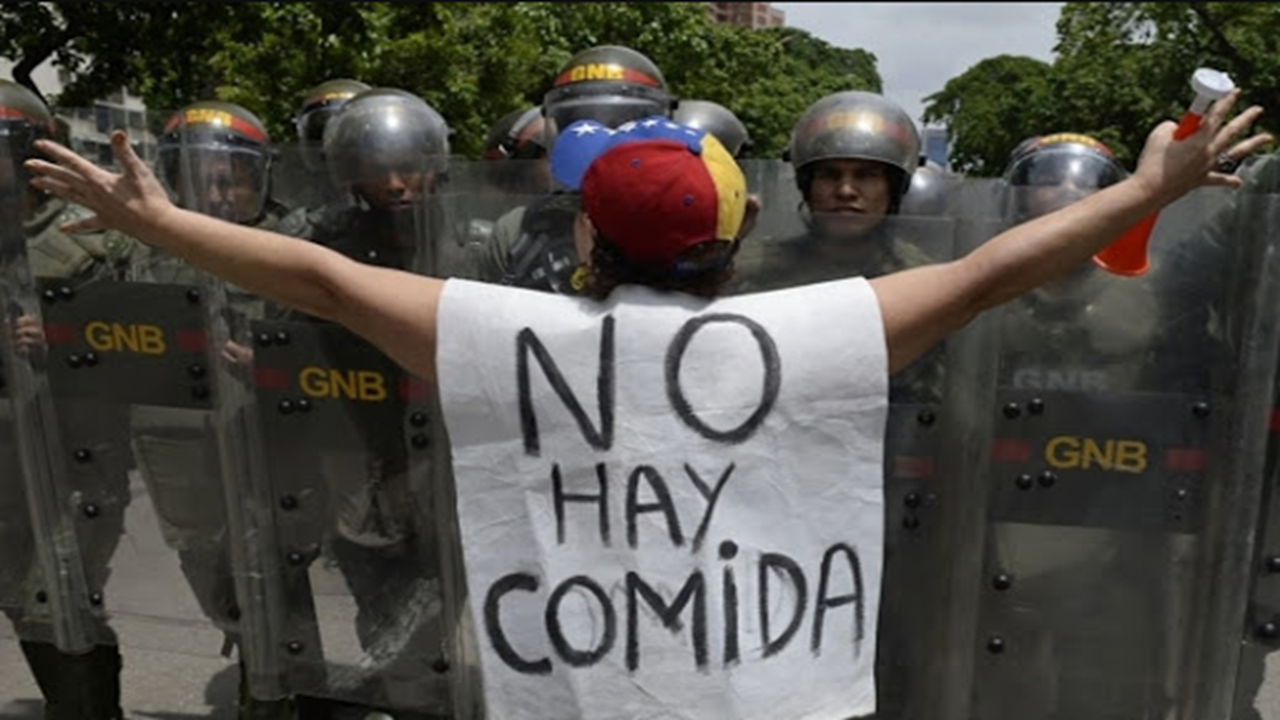
For the Venezuelan population, the prospect of military intervention brings fear and uncertainty. While some view it as a potential path to change, others worry about collateral damage, displacement, and loss of life.
Past conflicts show that even interventions with stated humanitarian goals often produce unintended consequences. Infrastructure destruction, economic paralysis, and prolonged instability could worsen the already dire living conditions.
Any future action must prioritize civilian protection, humanitarian access, and post-conflict reconstruction, should intervention ever occur.
The Role of Media and Public Perception
📌 Sugestão de imagem: após este subtópico
👉 Imagem de mídia ou jornalismo
Media coverage plays a crucial role in shaping public opinion about Venezuela and U.S. involvement. Sensational headlines can oversimplify complex realities, while misinformation spreads easily in polarized environments.
For readers and students, critical analysis is essential. Understanding the historical, political, and economic context helps distinguish between rhetoric, speculation, and verified information.
What’s Next for Venezuela and U.S. Policy?
The future of Venezuela remains uncertain. While military intervention remains a possibility, it is not inevitable. Diplomatic negotiations, internal political shifts, and regional cooperation could still alter the course of events.
The international community continues to monitor developments closely, aware that decisions made today will have lasting consequences for millions of lives and for the stability of the Americas.
Conclusion: A Crisis That Demands Caution, Context, and Responsibility
The idea of a U.S. military intervention in Venezuela reflects the severity of a crisis that has reached far beyond national borders. Rooted in political collapse, economic failure, criminal networks, and geopolitical rivalry, the Venezuelan situation defies simple solutions.
While military power remains a tool of last resort, history demonstrates that force alone rarely brings lasting peace. Sustainable solutions require diplomacy, international cooperation, respect for human rights, and long-term commitment to reconstruction.
Understanding the deeper forces behind the current tensions is essential—not only for policymakers, but for citizens seeking clarity in a world where global conflicts increasingly shape everyday life.