The Struggle for Control of Oil in Iran: How the Nationalization of Natural Resources Changed the Country’s Fate
Introduction: Oil as a Strategic Asset in Global Power
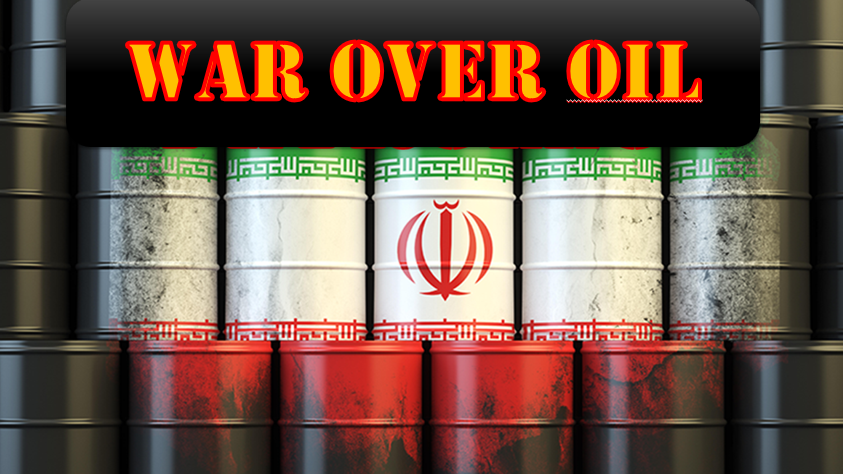
Oil has long been one of the most valuable and strategically important resources in the world. More than just a source of energy, oil represents economic power, political influence, and geopolitical dominance. Throughout modern history, nations that controlled oil reserves gained significant leverage on the global stage, while those deprived of control over their own resources often faced instability and foreign interference.
Iran’s history with oil is one of the most emblematic examples of this global struggle. During the early and mid-20th century, the country became the center of a fierce dispute involving major world powers such as Great Britain, the United States, and the Soviet Union. The nationalization of Iranian oil was not merely an economic decision — it was a turning point that reshaped Iran’s political destiny and altered the balance of power in the Middle East.
🖼️
The Discovery of Oil in Iran and the British Concession
The Birth of Iran’s Oil Industry
The discovery of oil in Iran in the early 20th century marked a decisive moment in the country’s modern history. In 1901, the Iranian government, under Mozaffar ad-Din Shah, granted a sweeping concession to British entrepreneur William Knox D’Arcy, allowing him to explore and extract oil across vast Iranian territories.
This concession later gave rise to the Anglo-Persian Oil Company (APOC), which would eventually become British Petroleum (BP). The agreement granted Britain exclusive rights to Iranian oil exploration and production for 60 years, effectively placing one of Iran’s most valuable resources under foreign control.
An Unequal Agreement
In return for the concession, Iran received:
-
£20,000 in cash
-
A small number of company shares
-
Only 16% of the profits
While this might have seemed acceptable at the time, the reality soon became clear: Iran gained minimal economic benefit, while Britain reaped enormous profits. As oil production expanded, so did Iranian dissatisfaction, fueled by the perception of exploitation and loss of sovereignty.
Growing Discontent and the Rise of Nationalist Movements
Oil, Sovereignty, and National Identity
As oil became increasingly central to global industrialization and warfare, Iranians began to recognize the strategic value of their natural resources. However, they also realized that foreign powers were benefiting far more than the Iranian population.
This discontent intensified after World War I, when oil proved essential for military operations and economic recovery in Europe. Many Iranians saw foreign dominance over oil as a symbol of national humiliation.
Political Awakening and Reform Movements
The Constitutional Revolution of 1906 had already planted the seeds of political reform, promoting ideas such as:
-
Rule of law
-
Parliamentary authority
-
National sovereignty
These ideals resurfaced strongly in the mid-20th century, creating fertile ground for a political movement centered on reclaiming control of Iran’s oil.
Mohammad Mossadegh and the Nationalization of Oil
The Rise of the National Front
In 1949, Iranian politician Mohammad Mossadegh founded the National Front, a coalition advocating democracy, independence, and economic justice. Mossadegh quickly became the face of the oil nationalization movement.
His argument was simple yet powerful:
👉 A nation cannot be truly independent if it does not control its own natural resources.
Nationalization Becomes Reality
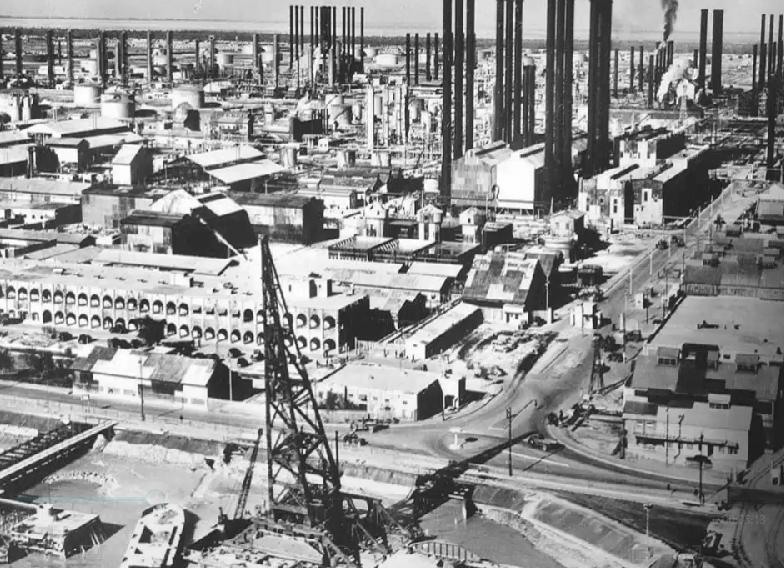
In 1951, Mossadegh was appointed Prime Minister of Iran. One of his first and most decisive actions was the nationalization of the oil industry, including the massive Abadan Refinery, then the largest in the world.
This decision:
-
Expelled British technicians
-
Transferred ownership of oil facilities to the Iranian state
-
Challenged decades of foreign dominance
For many Iranians, Mossadegh became a national hero. For Britain and its allies, he became a threat.
International Reaction and Escalating Tensions
Britain’s Economic and Political Retaliation
Britain responded aggressively to nationalization by:
-
Imposing economic sanctions
-
Organizing an international boycott of Iranian oil
-
Freezing Iranian assets abroad
These actions severely impacted Iran’s economy, reducing oil exports and increasing internal pressure on Mossadegh’s government.
Cold War Fears and U.S. Involvement
At the height of the Cold War, the United States viewed Iran through a strategic lens. Washington feared that:
-
Economic instability could push Iran toward the Soviet Union
-
Mossadegh’s popularity might weaken Western influence in the region
This fear laid the groundwork for covert intervention.
Operation Ajax: The 1953 Coup d’État
A Secret Intelligence Operation
In 1953, British and American intelligence agencies orchestrated Operation Ajax, a covert plan to overthrow Mossadegh. The operation relied on:
-
Propaganda campaigns
-
Political manipulation
-
Bribery of officials and military leaders
The Fall of Mossadegh
The coup succeeded. Mossadegh was arrested, and Shah Mohammad Reza Pahlavi was restored to full power. Shortly afterward:
-
Western oil companies regained control
-
Iran’s oil industry was reorganized under foreign dominance
Although stability appeared to return, the long-term consequences were profound.
Economic and Social Impact of Oil Nationalization
Short-Term Losses, Long-Term Awareness
While nationalization initially hurt Iran’s economy due to sanctions, it also:
-
Strengthened national consciousness
-
Exposed the cost of foreign dependency
-
Highlighted the link between oil and political autonomy
Structural Changes in the Economy
Oil revenues, when partially recovered, allowed investments in:
-
Infrastructure
-
Education
-
Urban development
However, political repression under the Shah undermined these gains.
Iran During the Cold War
A Strategic Ally of the United States
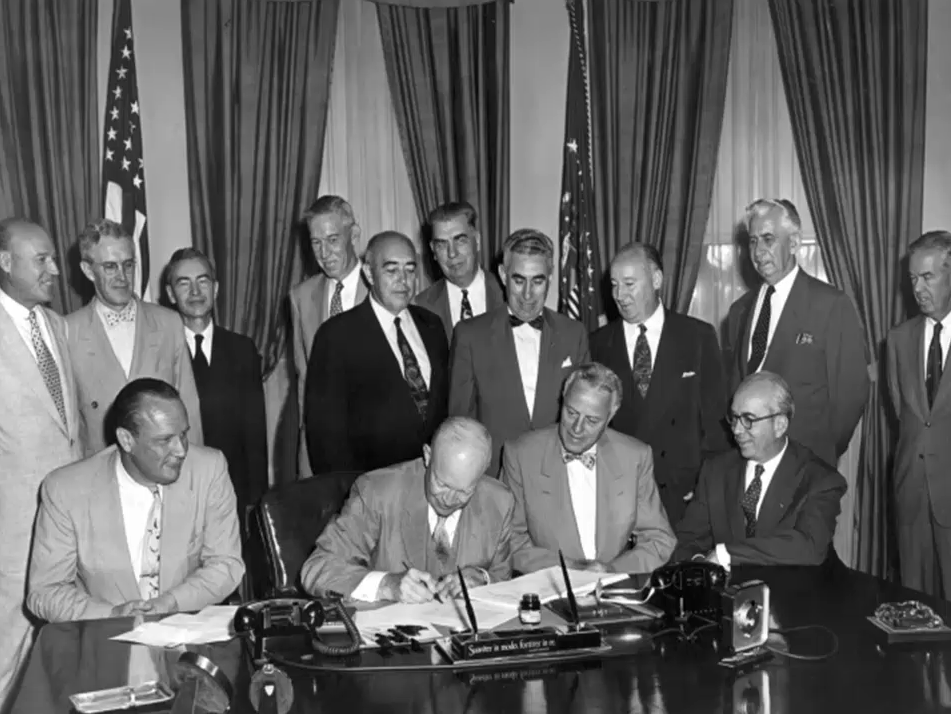
After the coup, Iran became a key U.S. ally in the Middle East. The Shah’s regime:
-
Received military and financial support
-
Acted as a barrier against Soviet expansion
Internal Repression and Growing Opposition
Despite economic growth, the Shah’s authoritarian rule led to:
-
Suppression of dissent
-
Human rights abuses
-
Increasing public resentment
These tensions would eventually explode.
Media, Propaganda, and Political Manipulation
The Role of the Press
Foreign powers skillfully used media to:
-
Undermine Mossadegh’s credibility
-
Spread fear and misinformation
-
Influence religious and middle-class groups
This manipulation proved decisive in shaping public opinion during the coup.
The Iranian Revolution of 1979 and Oil Sovereignty
The Fall of the Shah
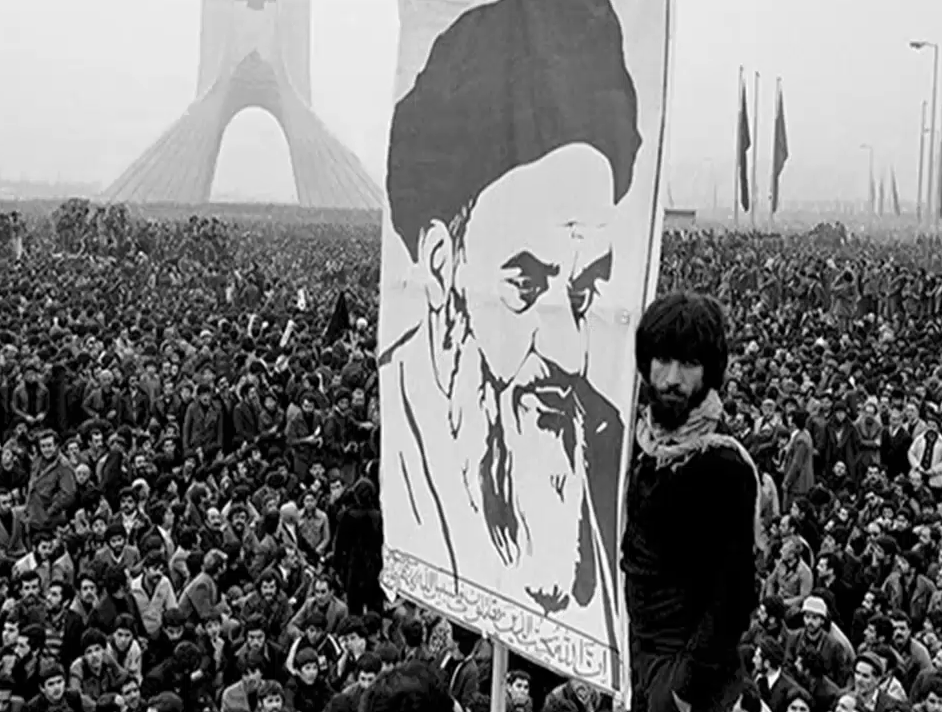
Decades of repression culminated in the Iranian Revolution of 1979, led by Ayatollah Ruhollah Khomeini. The revolution:
-
Ended the monarchy
-
Cut ties with Western powers
-
Reasserted control over oil resources
Oil as a Symbol of Independence
Under the new regime, oil became:
-
A symbol of resistance
-
A tool of national sovereignty
-
A central pillar of Iran’s foreign policy
🖼️ Sugestão de imagem: manifestações da Revolução Iraniana
📍 Inserir antes da conclusão
Conclusion: Oil, Power, and the Shaping of Nations
The struggle for control of oil in Iran reveals how natural resources can define the fate of nations. What began as an economic dispute evolved into a geopolitical confrontation involving the world’s most powerful countries.
The nationalization of Iranian oil was more than a political act — it was a declaration of sovereignty. Its legacy continues to influence global politics, energy markets, and international relations to this day. Iran’s experience serves as a powerful reminder that control over natural resources often determines not only economic prosperity but also political freedom.