Is Trump Planning to Invade Greenland? What Is Really Behind America’s Interest in the World’s Largest Island
Introduction
For decades, Greenland was seen as a remote, frozen territory far removed from major global disputes. In recent years, however, that perception has changed dramatically. Controversial statements by former U.S. President Donald Trump reignited a debate that once seemed unlikely: Greenland has become a high-value strategic asset in the new global order.
When Trump publicly suggested, during his presidency, the possibility of the United States acquiring Greenland, the international reaction was immediate. European governments dismissed the idea outright, while geopolitical analysts began asking a deeper question: why has Greenland suddenly become so important to the United States and other global powers?
This article offers a detailed, technical, and impartial analysis of:
- The real reasons behind U.S. interest in Greenland
- The island’s strategic role in the Arctic
- The economic impact of Greenland’s natural resources
- Security measures taken by Europe and NATO
- Internal political opposition within the United States
- The positions of Russia, China, and the European Union
- And, most importantly, whether there is any real possibility of a military invasion
Why Would Donald Trump Be Interested in Greenland?
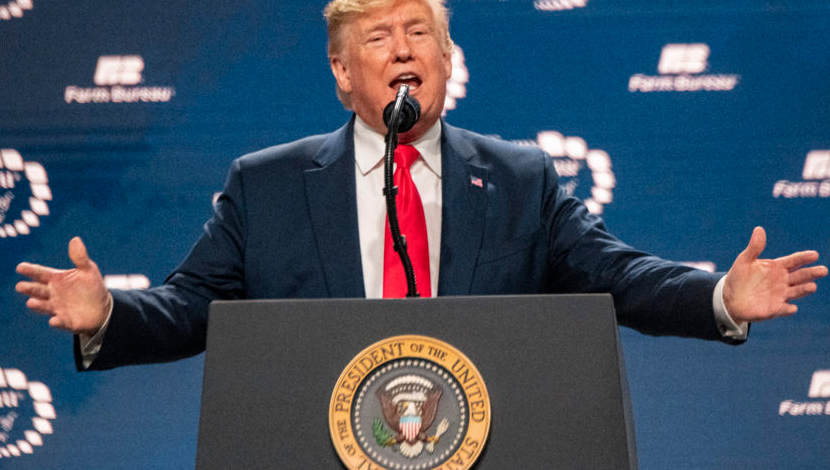
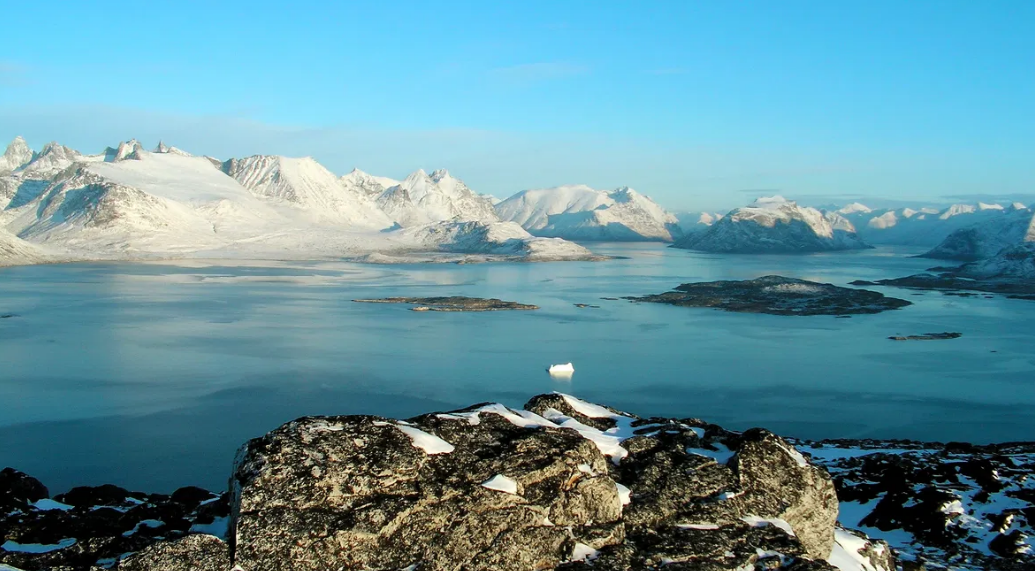
Greenland is an autonomous territory belonging to the Kingdom of Denmark, located in one of the most strategically important regions on the planet: the Arctic. Despite its small population, the island occupies a geographic position that makes it central to global military, economic, and logistical interests.
During the Trump administration, U.S. interest became evident when the former president publicly mentioned the possibility of purchasing the island—an idea firmly rejected by the Danish government and Greenlandic authorities.
Although there is no official confirmation of any military plans, U.S. interest can be explained by three core factors:
1️⃣ Privileged geostrategic location
2️⃣ Abundant critical natural resources
3️⃣ National security and global power projection
These elements explain why Greenland has gained prominence in strategic discussions in Washington.
Greenland’s Strategic Importance to the United States
Geographically, Greenland sits between North America and Europe, effectively serving as a control point for the North Atlantic and the Arctic region.
The island hosts the Thule Air Base, one of the most important U.S. military installations outside the continental United States. The base plays a critical role in:
- Early-warning missile detection systems
- Space surveillance
- Northern Hemisphere air defense
As climate change accelerates Arctic ice melt, new international shipping routes are emerging, significantly reducing travel time between Asia, Europe, and North America. This transformation is turning the Arctic into a new hub of global trade.
Maintaining influence over Greenland therefore represents a long-term military, economic, and logistical advantage.
Greenland’s Natural Resources and Their Impact on the U.S. Economy
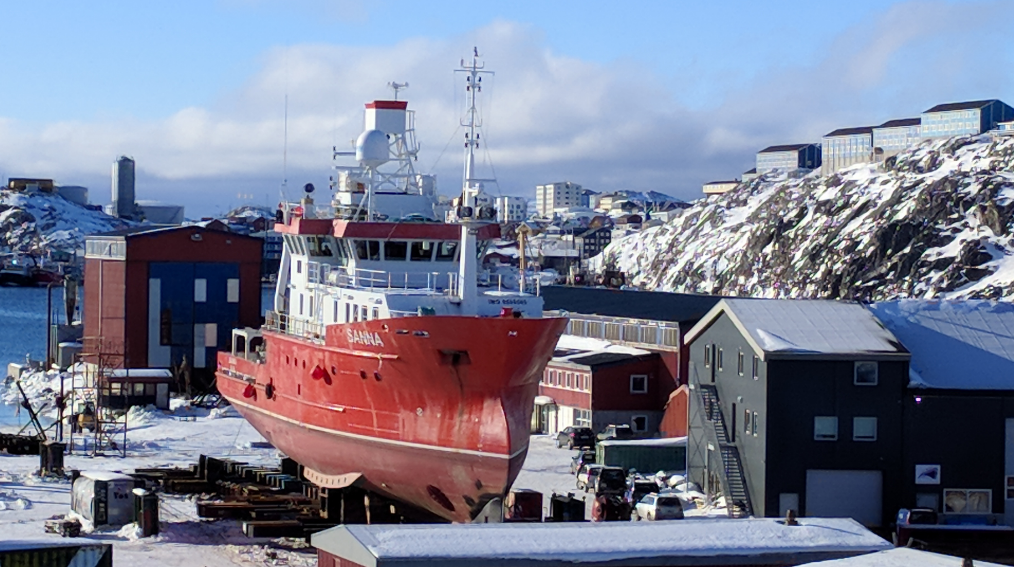
One of the most significant—and often overlooked—factors is Greenland’s economic potential.
The island holds large reserves of:
- Rare earth elements, essential for smartphones, electric vehicles, renewable energy systems, and advanced military technology
- Uranium, critical for energy and defense
- Oil and natural gas, still largely untapped
- Strategic minerals vital to the global energy transition
Currently, China dominates much of the global rare earth supply chain, which poses a strategic risk to the United States and its allies.
Greater access to Greenland’s resources could:
- Reduce U.S. dependence on China
- Strengthen American technology and defense industries
- Drive investment, job creation, and economic growth
This context explains why Greenland has become such a valuable strategic asset.
Are Greenland and Europe Preparing for a Possible Invasion?
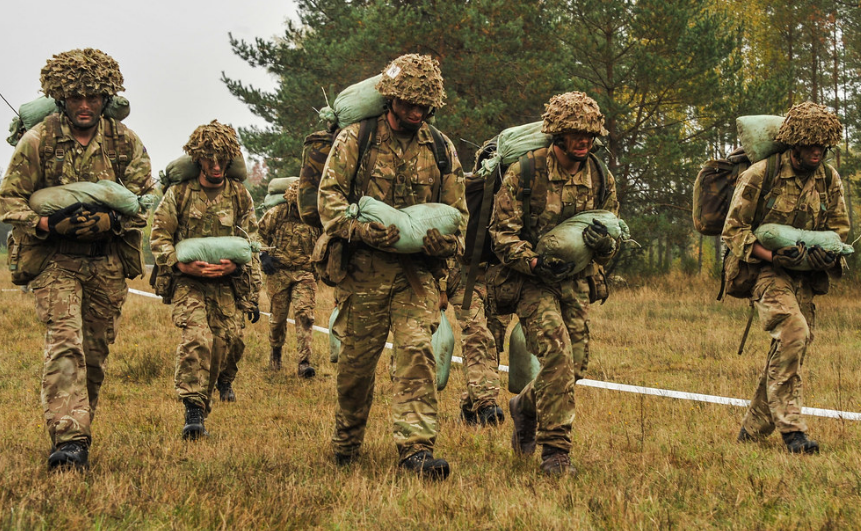
Despite heightened rhetoric, there is no concrete evidence of preparations for an imminent military conflict.
That said, diplomatic and strategic security measures have been strengthened as a precaution. Denmark, the European Union, and NATO have expanded:
- Arctic military cooperation
- Air and maritime surveillance
- Preventive diplomatic engagement with allies
The focus of these actions is deterrence and stability, not confrontation.
Strong Opposition Within the U.S. Congress
Within the United States itself, any notion of military action against Greenland faces significant resistance in Congress.
Lawmakers from both major parties argue that:
- An invasion would violate international law
- It would damage long-standing alliances with Europe
- It would impose severe diplomatic, economic, and political costs
The prevailing view in Congress is clear: diplomatic cooperation and economic agreements are the only viable path forward.
Does Trump Really Intend to Invade Greenland?
To date, there is no approved, authorized, or formally discussed military plan within the U.S. government.
International relations experts suggest that:
- Trump’s statements are part of his political rhetoric
- The discourse may be intended to pressure allies and geopolitical rivals
- U.S. interest is overwhelmingly economic and strategic, not military
In practical terms, a military invasion scenario is considered extremely unlikely.
Russia, China, and Europe: Is There a Risk of War in the Arctic?
🇷🇺 Russia
Russia has expanded its military presence in the Arctic and closely monitors any U.S. movements in the region. However, Moscow prioritizes strategic balance and deterrence, seeking to avoid direct confrontation.
🇨🇳 China
China describes itself as a “near-Arctic state” and has invested heavily in economic and scientific projects in the region. Beijing’s strategy focuses on economic influence and resource access, not armed conflict.
🇪🇺 Europe
Europe strongly opposes any militarization of Greenland. A conflict in the Arctic would pose serious risks to continental security and stability.
Conclusion: Real Threat or Geopolitical Strategy?
The idea of Donald Trump invading Greenland generates headlines, clicks, and heated debate, but it does not represent a concrete threat in the short or medium term.
What is truly at stake is:
- Control over strategic resources
- Influence in the future of the Arctic
- Economic and technological competition among global powers
More than a potential battlefield, Greenland represents one of the central geopolitical chessboards of the 21st century.
Share the content our friends.