The Foundation of the Grand Lodge of London: Birth of Modern Freemasonry
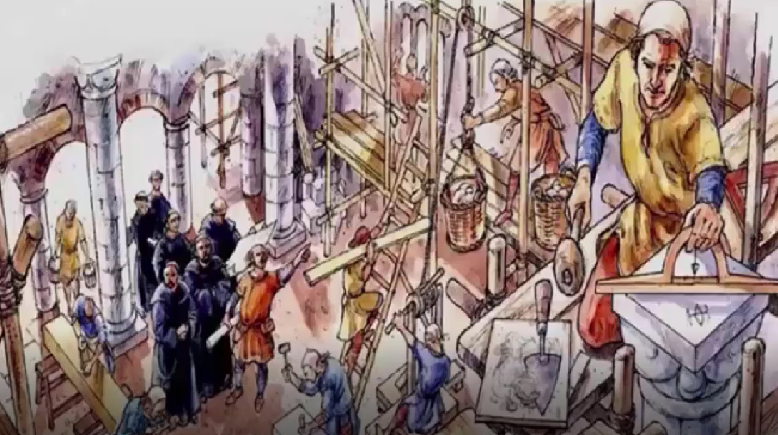
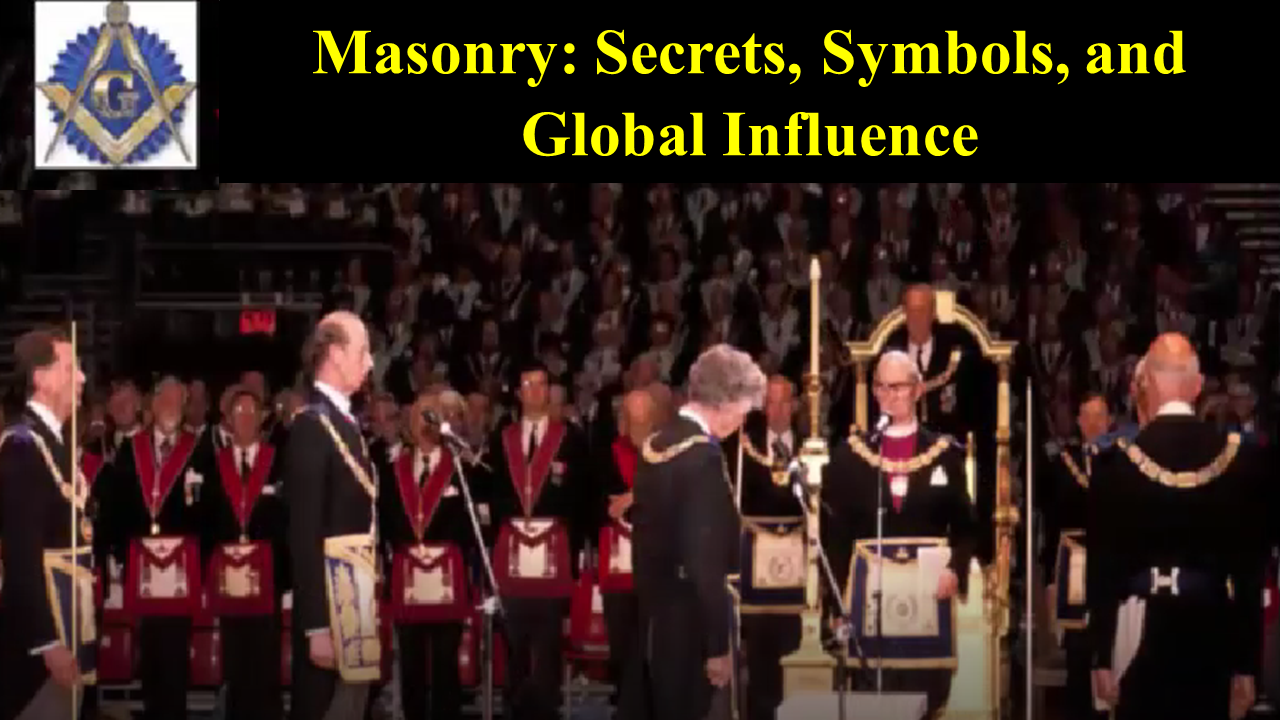
A defining moment in Freemasonry’s history occurred on June 24, 1717, celebrated as Saint John the Baptist’s Day — a symbolic figure in Masonic tradition. On this date, four lodges in London united to create the Grand Lodge of London, the first official governing body of Freemasonry.
This institutionalization standardized rituals, ranks, and principles, allowing Freemasonry to expand rapidly. Through the reach of the British Empire, Masonic lodges spread to North America, Australia, Africa, and parts of Asia, establishing a global network united by shared values of fraternity, moral development, and intellectual freedom.
Freemasonry in Latin America and Brazil: Ideas of Liberty and Independence
Freemasonry reached Latin America primarily through European colonial influence, particularly from Britain and France. In Brazil, the presence of British merchants and diplomats facilitated the establishment of the first Masonic lodges in the late 18th century.
Masonic ideals such as freedom of thought, equality, and resistance to absolutism inspired several political movements. In Brazil, Freemasons played roles in events like the Inconfidência Mineira and the Independence of Brazil. Across Spanish America, prominent leaders such as Simón Bolívar and José de San Martín were influenced by Masonic principles while advocating for republican governments and national sovereignty.
Masonic Symbols and Architecture in the United States
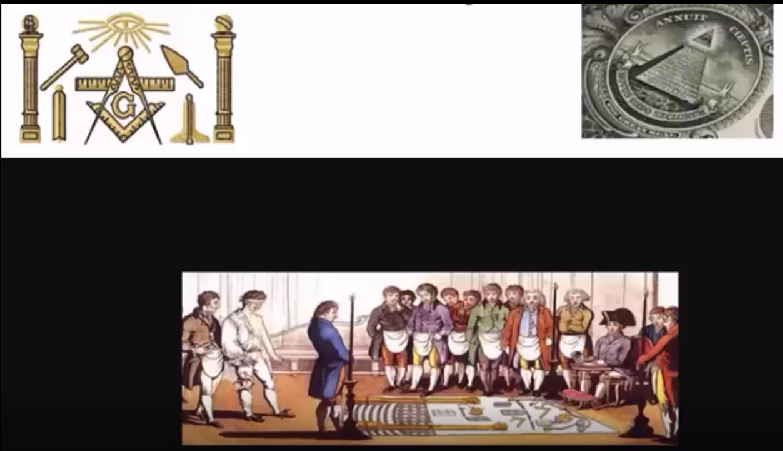
Freemasonry left a visible mark on the United States, particularly in its symbols and architecture. Several Founding Fathers — including George Washington, Benjamin Franklin, and John Hancock — were Freemasons.
One of the most debated symbols appears on the U.S. one-dollar bill: the All-Seeing Eye above an unfinished pyramid. Contrary to popular myths, this imagery symbolizes divine guidance, vigilance, and the continuous pursuit of improvement. Other elements, such as the eagle, olive branches, and arrows, represent strength, peace, and unity — core Masonic and Enlightenment ideals.
Freemasonry and Revolutionary Movements
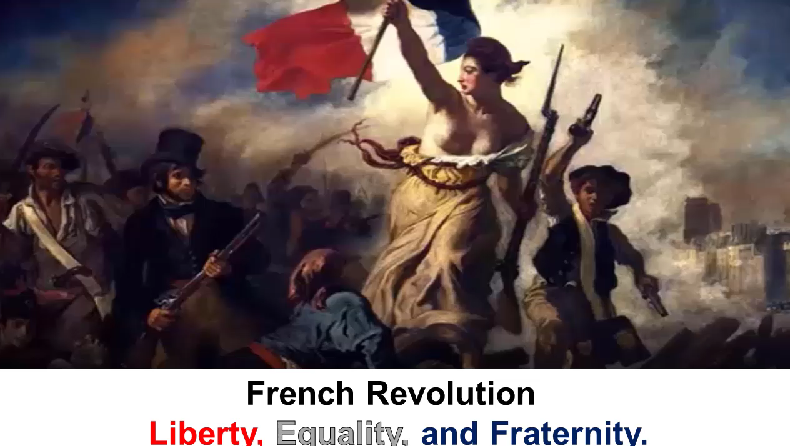
Freemasonry significantly influenced revolutionary thought in the 18th and 19th centuries. The French Revolution adopted the slogan “Liberty, Equality, Fraternity”, a phrase deeply aligned with Masonic philosophy.
Many revolutionary leaders were members of Masonic lodges or participated in circles shaped by Masonic ideals. These spaces allowed the exchange of progressive ideas, criticism of absolutism, and promotion of constitutional governments, making Freemasonry a catalyst — though not a direct controller — of political change.
Modern Freemasonry: Tradition, Charity, and Ethical Values
📌 Sugestão de imagem: após este subtópico (imagem moderna e neutra de loja maçônica)
Today, Freemasonry continues to exist across the globe, though with significantly less political influence. Modern lodges operate independently and emphasize charity, moral development, personal discipline, and fraternity.
While myths and conspiracy theories persist, contemporary Freemasonry defines itself as discreet rather than secretive, focused on ethical improvement and humanitarian efforts. Its legacy lies not in hidden power, but in its historical role in shaping modern democratic values and intellectual freedom.
Opposition from the Catholic Church and Absolute Monarchies
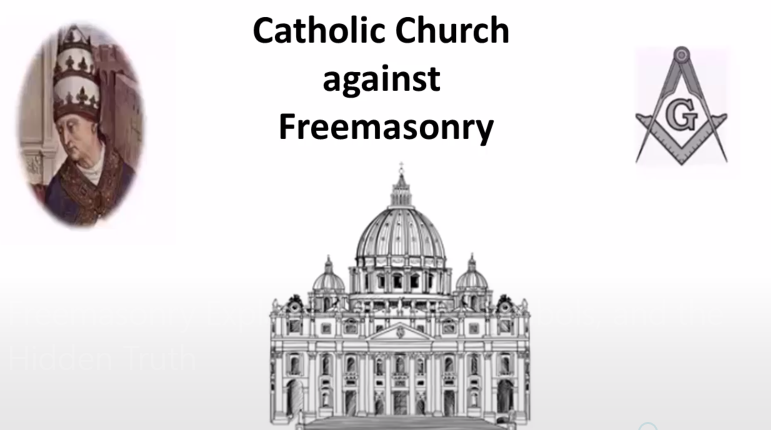
Despite its influence, Freemasonry faced strong opposition. The Catholic Church condemned the organization, viewing its secrecy, secularism, and moral relativism as incompatible with religious doctrine. Several Popes issued official bulls prohibiting Catholics from joining Masonic lodges under penalty of excommunication.
Absolute monarchies also distrusted Freemasonry, fearing political conspiracies and challenges to centralized power. As a result, Masons were often persecuted, forced into secrecy, or banned entirely in certain countries.
Freemasonry, Education, and the Spread of Enlightenment Ideas
📌 Sugestão de imagem: após o primeiro parágrafo (livros antigos, bibliotecas ou universidades históricas)
Beyond politics and revolutions, Freemasonry played a significant role in the spread of education, literacy, and Enlightenment ideals. During the 18th and 19th centuries, Masonic lodges often functioned as informal centers of learning, especially in regions where access to formal education was limited or controlled by religious institutions or monarchies.
Within these lodges, members discussed philosophy, mathematics, natural sciences, law, and ethics. The emphasis on reason, tolerance, freedom of conscience, and meritocracy helped shape modern concepts of citizenship and civil rights. In several countries, Freemasons supported the creation of schools, libraries, and cultural institutions, contributing to the intellectual modernization of society. This educational legacy remains one of the least controversial yet most enduring aspects of Freemasonry’s historical influence.
Myths, Conspiracy Theories, and the Public Perception of Freemasonry
Freemasonry’s tradition of discretion has fueled countless myths and conspiracy theories over the centuries. Claims of secret world control, hidden political agendas, or supernatural rituals often emerge in popular culture and online discussions. However, historians emphasize that such narratives usually stem from lack of transparency, symbolism misunderstood, and periods of political repression.
In reality, most Masonic documents, principles, and historical records are publicly available. Modern Freemasonry operates legally in many countries and openly supports charitable and cultural initiatives. Understanding the difference between historical facts and speculative fiction is essential, especially in academic contexts and exam preparation. This critical approach allows students and readers to analyze Freemasonry as a historical phenomenon rather than a source of unfounded fear or sensationalism.
Conclusion: Freemasonry’s Historical Legacy and Contemporary Relevance
Freemasonry has played a complex and multifaceted role in world history. Originating from medieval guilds of skilled builders, it evolved into a philosophical and ethical brotherhood that influenced political thought, education, and social reform. Through its symbols and rituals, Freemasonry encouraged moral self-improvement, rational inquiry, and fraternity among individuals from diverse backgrounds.
Although often surrounded by controversy and misconceptions, its true historical significance lies in its contribution to Enlightenment values, democratic ideals, and the promotion of education and tolerance. Today, Freemasonry continues as a cultural and ethical institution rather than a political force. Understanding its history provides valuable insight into the formation of modern societies and reminds us of the enduring power of ideas when shared through dialogue, knowledge, and mutual respect.