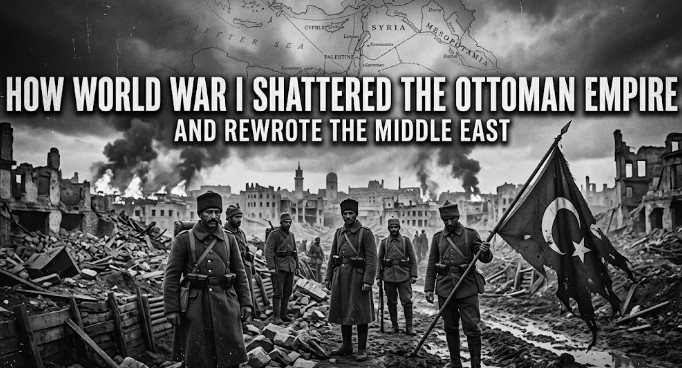
The Fall of an Empire: The Ottoman Empire on the Edge: A Giant Facing Collapse
At the beginning of the 20th century, the Ottoman Empire was no longer the unstoppable power that had dominated large parts of Europe, Asia and the Middle East for centuries. Once feared as one of the greatest empires in history, it had entered a period of deep decline, struggling with economic weakness, nationalist movements, military defeats and growing foreign interference. Its territory still stretched across three continents, bringing together millions of people from different ethnic, cultural and religious backgrounds, including Turks, Arabs, Armenians, Greeks, Slavs and many other communities. However, maintaining control over such a diverse population became increasingly difficult as nationalist ideas spread throughout Europe and the Middle East.
The empire’s greatest weaknesses were concentrated in its European territories, especially in the Balkans. During the 19th century, Christian populations in regions such as Moldavia, Wallachia, Greece, Serbia and Montenegro increasingly demanded greater autonomy or complete independence from Ottoman rule. These movements were encouraged by the rise of nationalism and by the support of foreign powers, particularly Russia, which saw itself as the protector of Orthodox Christian communities. For the Ottoman government, these movements represented not only political rebellion but also a direct threat to the survival of the empire itself.
The Balkan Crisis and the Loss of European Territories
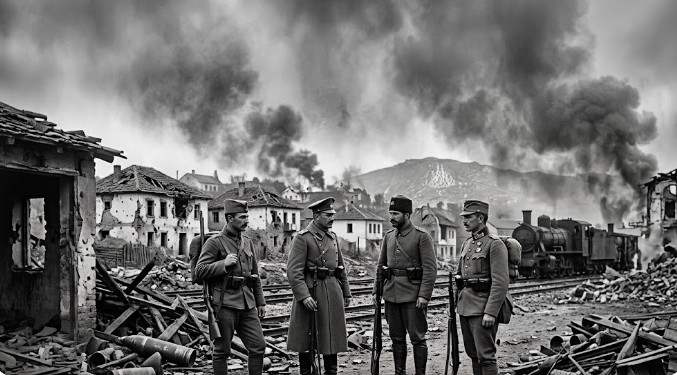
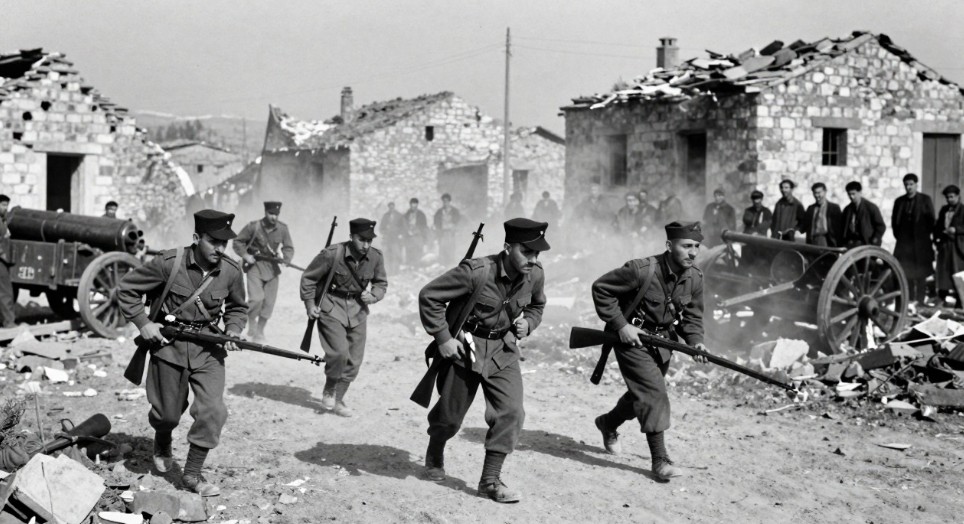
The instability reached a critical point in 1875, when revolts broke out in Bosnia-Herzegovina. The region was home to a complex mixture of ethnic groups, including Serbs, Albanians and Croats, who had different political ambitions and grievances against Ottoman administration. The rebellion soon spread to Bulgaria, where Ottoman forces responded with severe military repression.
The violence attracted international attention and created a diplomatic crisis among European powers. Russia, motivated by both strategic ambitions in the Balkans and its historical connection with Orthodox Christians, declared war on the Ottoman Empire in 1877. The conflict ended with a major Ottoman defeat and the signing of the Treaty of San Stefano in 1878.
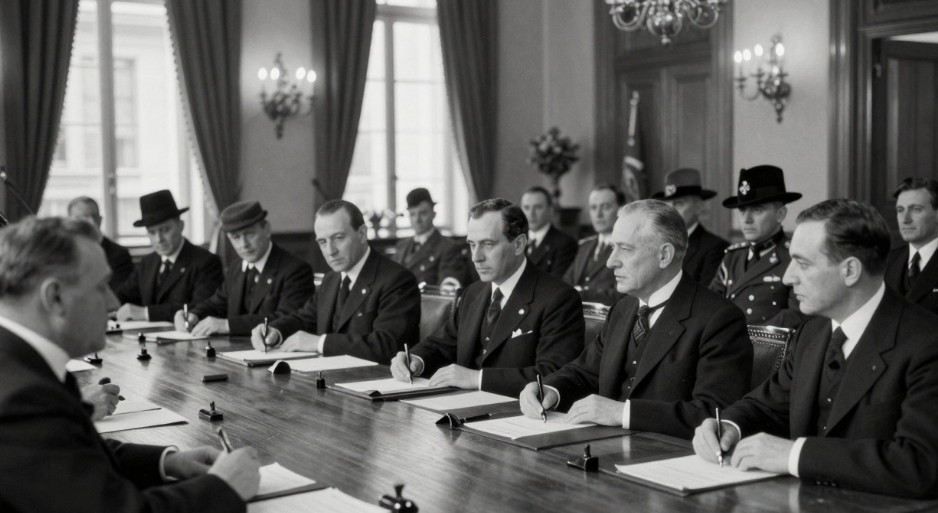
The treaty dramatically changed the balance of power in southeastern Europe. It created a large Bulgarian state under Russian influence, something that alarmed Britain and Austria-Hungary, which feared that Russia was becoming too dominant in the region. As a result, European powers organized the Congress of Berlin in 1878 to revise the terms of the previous agreement and prevent Russia from gaining excessive influence.
The decisions made in Berlin permanently weakened the Ottoman position in Europe. The empire was forced to recognize the independence of Romania, Serbia and Montenegro. Bosnia-Herzegovina was placed under Austro-Hungarian administration, while Bulgaria gained greater autonomy under Russian influence.
Although the Ottoman Empire technically survived, these decisions accelerated its decline. The empire had lost control over important European territories and became increasingly dependent on foreign powers. By the beginning of the 20th century, Ottoman authority in Europe had been reduced dramatically, creating a sense of humiliation among many Turkish nationalists and increasing demands for internal reform.
The Rise of the Young Turks and the Search for Survival
Facing political collapse and economic difficulties, a new generation of Ottoman reformers emerged. Known as the Young Turks, they represented a movement determined to modernize the empire and prevent its final disintegration.
The most influential organization within this movement was the Committee of Union and Progress, which defended constitutional reforms, modernization of the army and stronger central authority. They believed that only a modern state with an efficient military and administrative system could compete with European powers.
In 1908, the Young Turk Revolution forced Sultan Abdulhamid II to restore the Ottoman constitution. However, political instability continued. The following year, in 1909, General Mahmud Şevket Pasha led a military intervention in Istanbul that removed Abdulhamid II from power. His replacement was Sultan Mehmet V, who became the new symbolic ruler of the empire.
Despite these changes, the fundamental problems remained. The Ottoman economy was fragile, foreign debt increased, and European nations continued to pressure the government. Britain and France controlled important financial interests inside the empire, limiting Ottoman independence.
Searching for a powerful ally capable of balancing European influence, Ottoman leaders increasingly turned toward Germany. The relationship between the two nations grew stronger as Germany offered military cooperation and technological support. This partnership would eventually push the Ottoman Empire directly into the First World War.
The Secret Alliance with Germany and the Road to War
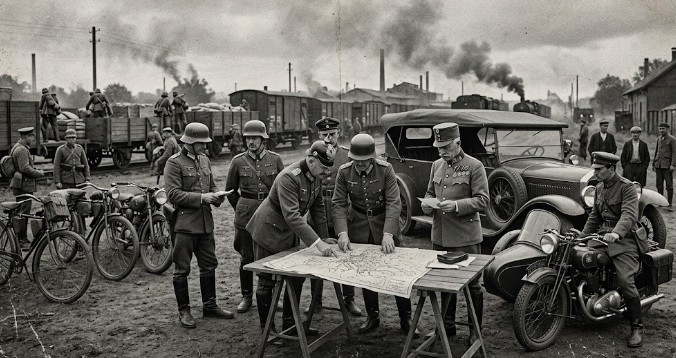
On August 2, 1914, shortly after the outbreak of World War I, the Ottoman Empire signed a secret treaty with Germany. The agreement connected Ottoman interests with the Central Powers and placed the empire on a path toward direct involvement in the conflict.
At first, Ottoman leaders hesitated to enter the war immediately. The empire had recently suffered military defeats in the Balkan Wars of 1912–1913 and needed time to rebuild its armed forces. However, strategic calculations and German influence eventually overcame these concerns.
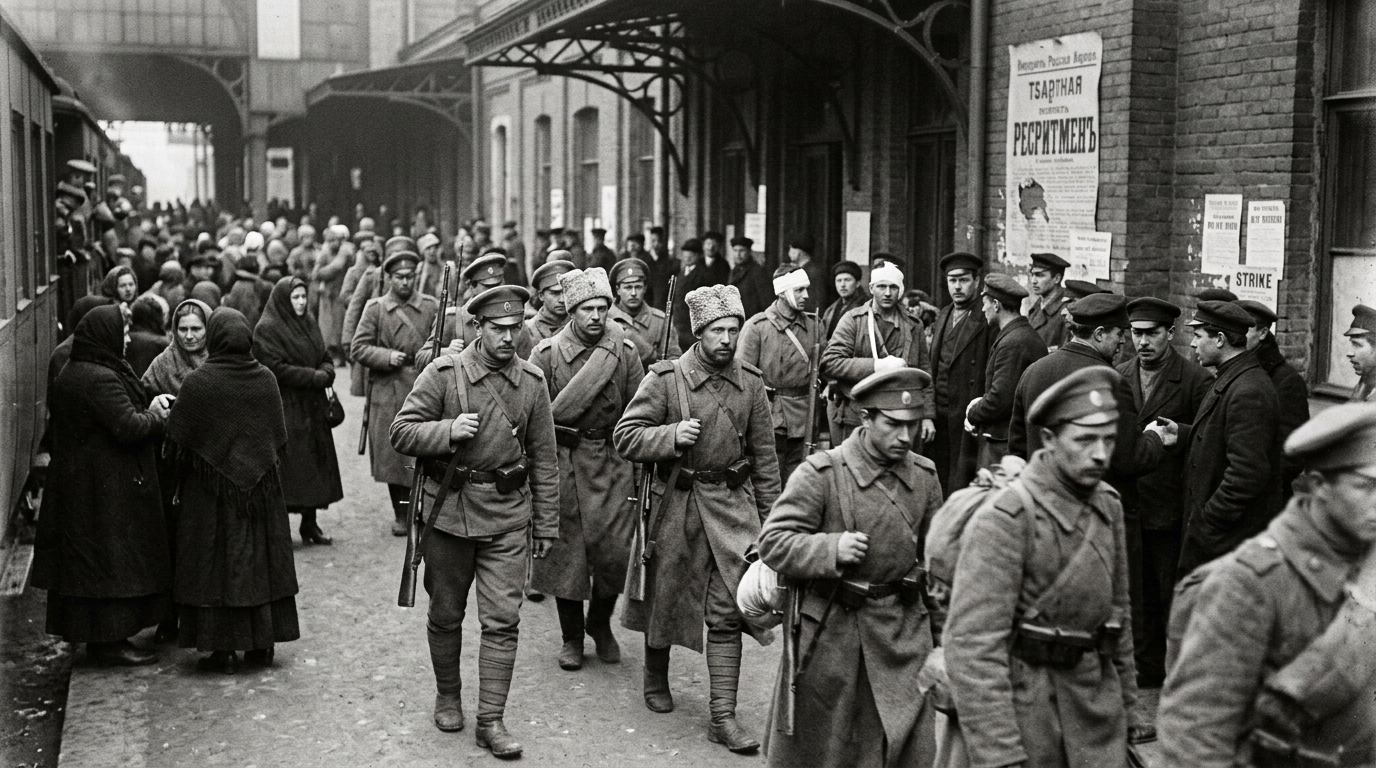
On October 29, 1914, Ottoman forces officially entered World War I by launching attacks against Russian positions in the Black Sea. This decision transformed the war from a European conflict into a wider struggle involving the Middle East, the Caucasus and strategic trade routes.
The Ottoman Empire, once a declining power struggling to survive, was now committed to one of the most destructive conflicts in human history.