Honor in the Early Modern Era: A Look at Nobility and Reputation
Honor played a central role in the lives of the nobility during the Early Modern period, especially from 1453 to 1789. This concept was not just an abstract value but something tied to a noble’s identity, his family’s reputation, and his social standing. Nobles were very concerned with defending their honor, which was often seen as just as valuable as wealth or political power. In this article, we will explore what honor meant for the nobility, how it shaped their lives, and what consequences could arise when their honor was questioned.
The Importance of Honor for the Nobility
During the Early Modern period, a noble’s honor was not just a personal trait, but a mark of the entire family. A noble’s family name was crucial in determining his social rank and position in society. This era was characterized by a rigid class system, where the nobility occupied the highest strata of society. For a noble, having a good reputation was essential for maintaining his place in society and for ensuring the continued prosperity of his family. A noble with a tarnished name would struggle to maintain his wealth and influence, as business dealings and political opportunities were heavily influenced by reputation.
The honor of a noble family was considered so important that any threat to it could lead to drastic actions, often involving violence. Nobles understood that maintaining their honor was essential not only for personal pride but also for securing their future.
Disputes Over Honor: Legal or Personal?
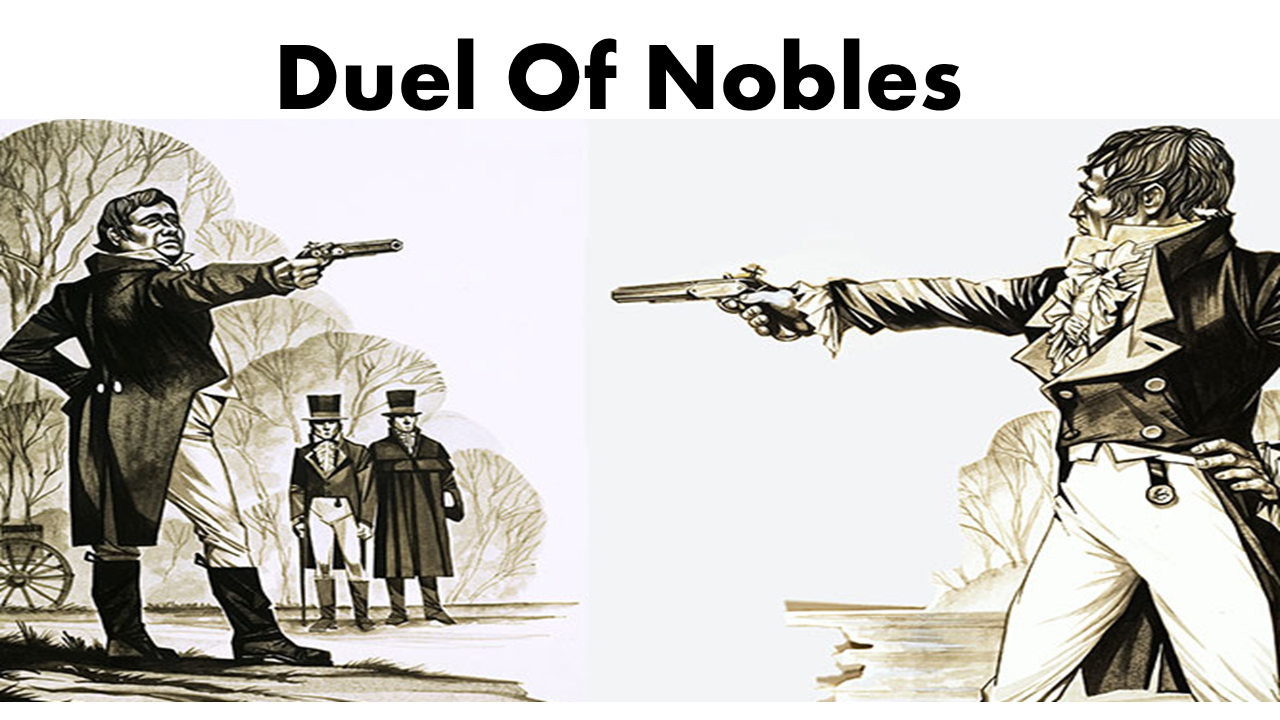
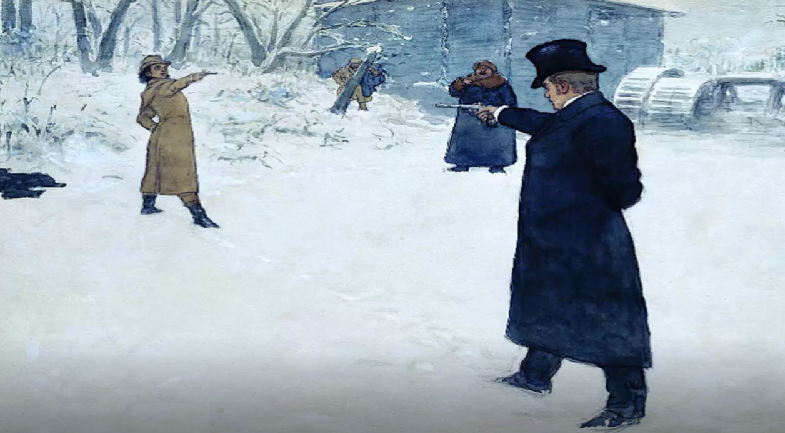
When a noble’s honor was questioned, there were two main ways it could be resolved. The first was through the legal system, where accusations could be addressed in court. However, this legal path was often slow and uncertain, especially if the accused noble was well-connected. The second, and often more immediate, solution was personal – nobles could challenge each other to duels or other forms of violence to settle the matter of honor.
These personal duels were not necessarily about killing the opponent but rather about restoring one’s reputation and proving that their honor had been unjustly attacked. While many duels did indeed end in death, the primary intention was often to wound, not kill, the adversary. However, due to the intense emotions involved and the unpredictable nature of combat, deaths were unfortunately common.
The Role of Women in Defending Honor
Honor was not limited to men during the Early Modern period. Women, particularly those from noble families, also had to protect their reputations, especially regarding their chastity and fidelity. A woman whose honor was questioned could be subjected to public shame and personal attacks. In extreme cases, women would also engage in duels or challenges to defend their honor, reflecting the importance of reputation for both genders during this time.
A famous example of this can be found in literature, where women would declare their willingness to die rather than live in dishonor. A well-known quote from the play “The Young and Beautiful Carlota” reflects this sentiment: “I would rather die than be dishonored.” This sentiment demonstrates how deeply honor was ingrained in the cultural and personal lives of individuals during this period.
The End of Duels: State and Religious Intervention
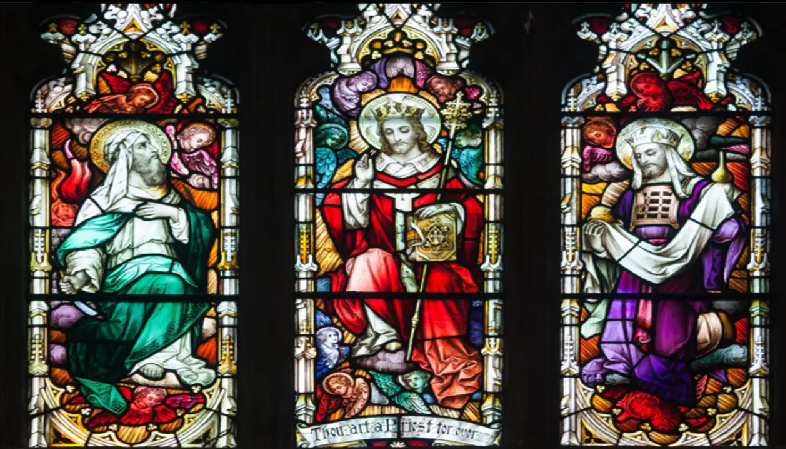
Despite the widespread practice of duels, the state and the church eventually intervened in an attempt to curtail this practice. The creation of laws and the influence of the church played a significant role in ending the culture of dueling. The church condemned the shedding of blood in the name of honor, arguing that such violence was immoral and contrary to Christian teachings.
Thinkers like Montesquieu and Thomas Hobbes also contributed to the intellectual movement against dueling. Montesquieu’s work “The Spirit of the Laws” and Hobbes’ “Leviathan” argued for the importance of a social contract and the need for a sovereign authority to maintain order and resolve disputes. These philosophical works helped to shape the modern understanding of justice and the role of the state in maintaining social order.
The Legacy of Duels in History
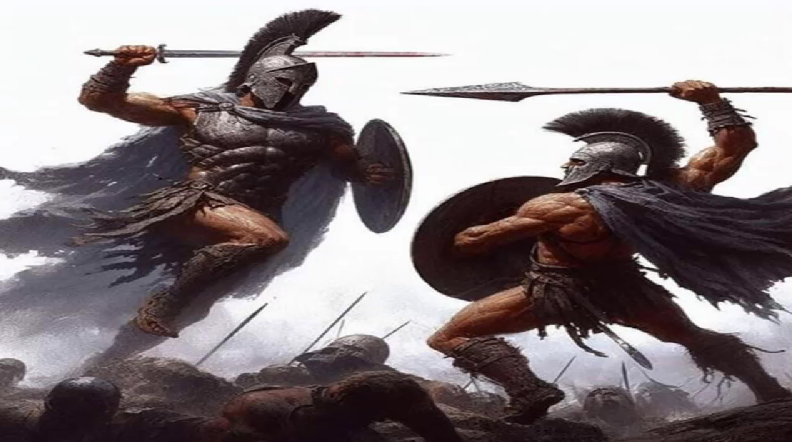
The tradition of dueling can be traced back to ancient times, but it reached its height during the Early Modern period. It was seen as a way for individuals, particularly men of noble status, to resolve conflicts and defend their honor. Dueling was even depicted in classical works such as Homer’s “Iliad,” where the legendary duel between Achilles and Hector became a symbol of heroic combat and the defense of personal and familial honor.
While duels were originally fought with swords and later with pistols, the underlying idea remained the same: a noble had the right to defend his reputation against any insult or affront. The tradition of dueling was so entrenched that it persisted into the 19th century, though it gradually began to decline as legal and societal norms evolved.
Conclusion: Honor and Its Changing Role
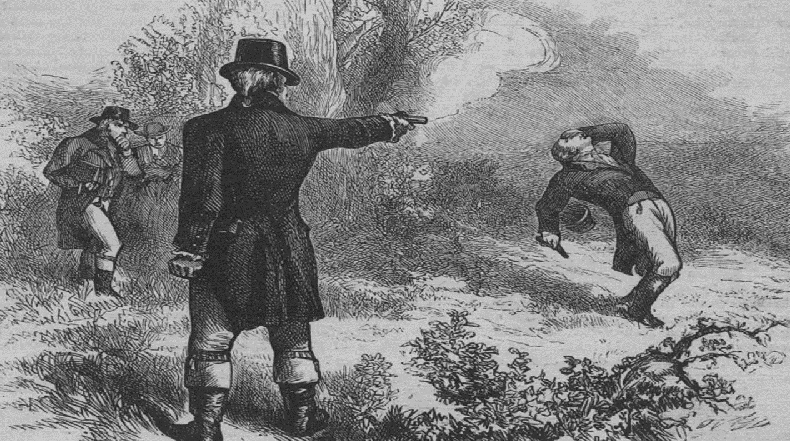
Honor was a central concept for the nobility during the Early Modern period, shaping not only personal interactions but also the broader social and political landscape. The idea that one’s reputation could be defended through violence was a significant part of this era, but it eventually gave way to more structured legal systems and the intervention of religious and intellectual authorities.
Today, the concept of honor still holds some importance, but its role has changed significantly. While we no longer see duels as a common way to resolve conflicts, the underlying values of reputation, respect, and personal integrity continue to influence how we interact with one another.