
Antigone and the Eternal Clash Between State Power and Family Loyalty

Few literary works have managed to remain as powerful and relevant across centuries as Antigone. Written by Sophocles more than two thousand years ago, this Greek tragedy still sparks debates about justice, morality, leadership, rebellion, and human rights. What makes Antigone timeless is not merely its dramatic story, but the universal conflict at its core: Should people obey the law of the state when it contradicts moral duty and personal conscience?
This question continues to shape modern societies, political movements, legal systems, and ethical discussions around the world. From civil disobedience movements to debates about authoritarian governments, Antigone remains one of the most important literary works for understanding the tension between power and humanity.
In this in-depth analysis, we will explore the themes, symbolism, moral conflicts, historical significance, and modern relevance of Antigone. More importantly, we will uncover why this masterpiece continues to fascinate readers, students, philosophers, and literature lovers today.
What Is Antigone About?
Antigone is part of the Theban plays, a trilogy centered on the cursed family of Oedipus. The story takes place after a brutal civil war in the city of Thebes. Two brothers, Eteocles and Polynices, kill each other while fighting for control of the throne.
After the war, King Creon becomes ruler of Thebes. To restore political order and strengthen his authority, he declares that Eteocles will receive an honorable burial because he defended the city. Polynices, however, is labeled a traitor and forbidden from being buried. His body is left exposed outside the city walls, where it will decay publicly as a warning against rebellion.
For the ancient Greeks, denying burial rites was considered one of the greatest possible humiliations. Proper burial was deeply connected to spiritual peace and respect for divine law. Without burial, a soul could not rest peacefully in the afterlife.
Antigone, sister of Polynices, cannot accept this decree. Despite knowing the punishment is death, she chooses to bury her brother anyway. Her decision triggers a catastrophic confrontation between herself and Creon, leading to suffering, death, and irreversible tragedy.
The Central Theme: State Law vs Moral Duty
The most powerful aspect of Antigone is the conflict between two opposing forms of justice:
- Human law, represented by Creon
- Divine and moral law, represented by Antigone
This philosophical battle drives the entire tragedy and creates one of literature’s most compelling moral dilemmas.
Creon: Defender of Political Order
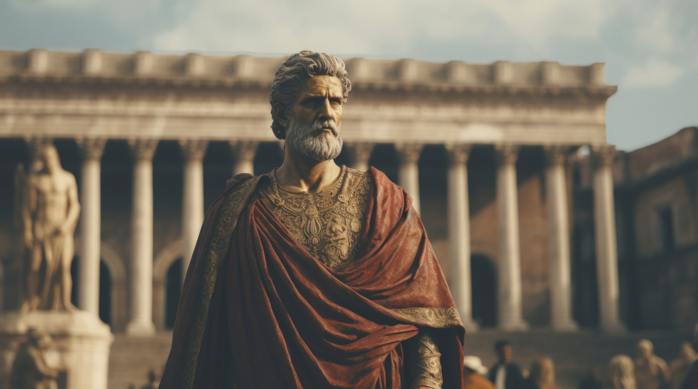
Creon believes that the survival of the state depends on absolute obedience to the law. After a destructive civil war, he fears chaos, rebellion, and political instability. From his perspective, strict leadership is necessary to maintain peace.
He views Polynices as a traitor who attacked his own city. Therefore, punishing him publicly sends a strong political message: betrayal will not be tolerated.
Creon’s argument is not entirely unreasonable. Governments throughout history have often justified harsh measures in the name of national security, stability, or patriotism.
However, Creon’s tragedy lies in his rigidity. He becomes so obsessed with authority that he loses empathy, wisdom, and the ability to reconsider his decisions.
Antigone: The Voice of Conscience
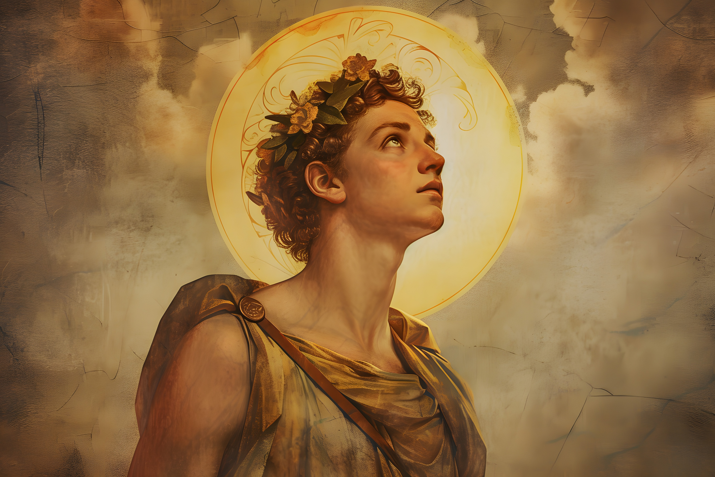
Antigone represents moral courage, loyalty, and resistance against unjust authority. She believes that divine law is superior to political law. To her, honoring the dead is sacred and cannot be canceled by any king.
Her defiance is deeply personal but also profoundly philosophical. Antigone refuses to surrender her conscience to political power.
She declares that some moral truths are eternal and cannot be altered by rulers, governments, or fear.
This makes Antigone one of the earliest and strongest examples of civil disobedience in Western literature.
Why Antigone Still Matters Today
One reason Antigone remains relevant is because its themes continue to appear in modern society.
Even today, people around the world face situations where laws conflict with ethics, religion, or human rights.
Examples include:
- Whistleblowers exposing government corruption
- Protesters resisting authoritarian regimes
- Activists fighting discriminatory laws
- Journalists defending freedom of speech
- Citizens challenging unjust political systems
Like Antigone, many individuals throughout history have risked punishment in defense of higher moral principles.
The play encourages readers to ask difficult questions:
- When is it right to disobey authority?
- Should laws always be obeyed?
- Can governments become morally wrong?
- What happens when power lacks compassion?
These questions ensure that Antigone never becomes outdated.
Antigone as a Symbol of Resistance
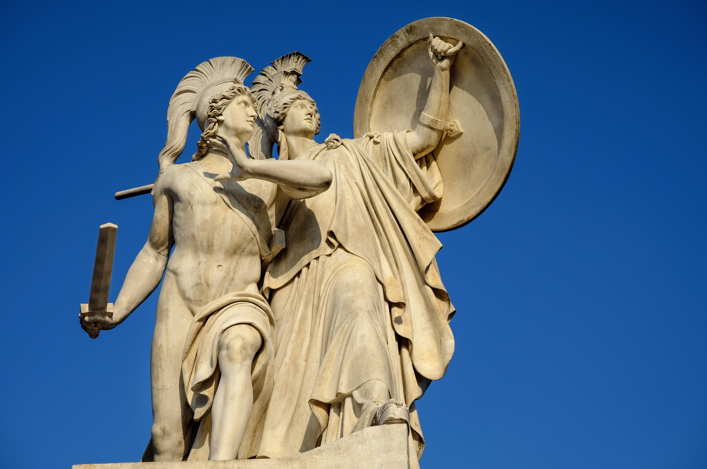
Over time, Antigone evolved beyond a literary character and became a universal symbol of resistance against oppression.
Her courage inspired political thinkers, philosophers, feminists, playwrights, and activists across generations.
She represents:
- Moral integrity
- Human dignity
- Personal conviction
- Resistance to tyranny
- The defense of family and sacred values
Unlike many tragic heroes, Antigone does not seek glory or power. She acts because she believes remaining silent would be morally unacceptable.
That conviction gives her extraordinary emotional power.
The Role of Women in Antigone
Another remarkable aspect of the tragedy is its portrayal of gender roles.
Ancient Greek society was highly patriarchal. Women were expected to remain obedient, silent, and submissive to male authority.
Antigone completely rejects these expectations.
She openly challenges Creon, the king and male authority figure of the state. She speaks with confidence, refuses to apologize, and accepts death rather than surrender her beliefs.
This makes her one of the strongest female characters in classical literature.
Feminist Interpretations
Modern feminist scholars often view Antigone as an early symbol of female resistance.
She challenges not only political authority but also social expectations surrounding women’s roles.
Her bravery demonstrates that moral strength is not determined by gender.
Because of this, Antigone continues to be widely studied in discussions about feminism, gender equality, and women in literature.
The Tragic Downfall of Creon
Although Antigone is the emotional center of the play, Creon’s downfall is equally important.
At first, Creon appears strong and confident. He believes strict control will protect Thebes. But his obsession with authority blinds him to wisdom and compassion.
Several characters warn him:
- Antigone refuses to yield
- Haemon, his son, pleads for mercy
- The chorus questions his judgment
- Tiresias, the prophet, predicts disaster
Yet Creon ignores them all.
His refusal to listen becomes his fatal flaw.
By the time he changes his mind, tragedy is unavoidable:
- Antigone has taken her own life
- Haemon dies in despair
- Creon’s wife, Eurydice, also commits suicide
Creon is left alive but emotionally destroyed.
Sophocles shows that excessive pride and stubbornness can ruin even powerful leaders.
Pride and Hubris in Greek Tragedy
One of the most important concepts in Greek tragedy is hubris, meaning excessive pride or arrogance.
Creon embodies hubris perfectly.
He believes his authority is absolute and refuses to admit he might be wrong. His arrogance isolates him from wisdom and ultimately destroys his family.
Greek tragedies often warned audiences that human beings must respect limits, humility, and divine order.
Creon’s fate serves as a powerful lesson about leadership and the dangers of authoritarian thinking.
Divine Law vs Human Law
The conflict between divine law and human law remains one of the play’s most influential philosophical themes.
Antigone argues that moral truths transcend political systems. Some ethical duties, such as honoring the dead, are universal and sacred.
Creon, however, insists that state authority must come first.
This debate influenced philosophers, theologians, and political theorists for centuries.
Thinkers such as:
- Aristotle
- Georg Wilhelm Friedrich Hegel
- Jean Anouilh
- Martin Luther King Jr.
have all explored ideas connected to civil disobedience, moral law, and resistance to unjust authority.
The Psychological Depth of Antigone
Another reason for the play’s lasting success is its emotional complexity.
Antigone is not portrayed as fearless or emotionless. She experiences grief, pain, loneliness, and despair.
Yet she moves forward despite her suffering.
This emotional realism makes her deeply human.
Readers admire her courage because they understand the terrible price she pays for her convictions.
Similarly, Creon is not purely evil. He genuinely believes he is protecting the state. His tragedy comes from his inability to balance justice with humanity.
This moral complexity gives the play extraordinary psychological depth.
Leadership Lessons From Antigone
Modern readers can also learn valuable leadership lessons from the tragedy.
1. Power Requires Humility
Leaders who refuse criticism often make catastrophic decisions.
Creon’s downfall begins when he stops listening.
2. Laws Without Compassion Become Dangerous
Rigid systems that ignore human dignity can create suffering and injustice.
3. Fear-Based Leadership Fails
Creon governs through fear and punishment, but fear eventually destroys loyalty and trust.
4. Moral Courage Matters
Antigone reminds us that individuals can challenge injustice even when the risks are enormous.
The Influence of Antigone on Modern Culture
The legacy of Antigone extends far beyond literature classrooms.
The play influenced:
- Political philosophy
- Human rights debates
- Theater adaptations
- Feminist criticism
- Modern cinema
- Ethical theory
- Civil resistance movements
Countless adaptations have reimagined Antigone in modern settings, including wartime Europe, dictatorships, and contemporary political crises.
Its themes remain universally adaptable because the conflict between conscience and authority exists in every generation.
Why Students Continue to Study Antigone
Schools and universities continue teaching Antigone because it combines:
- Philosophical depth
- Emotional intensity
- Political relevance
- Strong character development
- Timeless ethical questions
Students often connect strongly with Antigone because she represents youthful idealism confronting institutional power.
The play encourages critical thinking and ethical reflection, making it highly valuable in education.