Spanish Civil War: A Tragedy That Anticipated World War II
Introduction
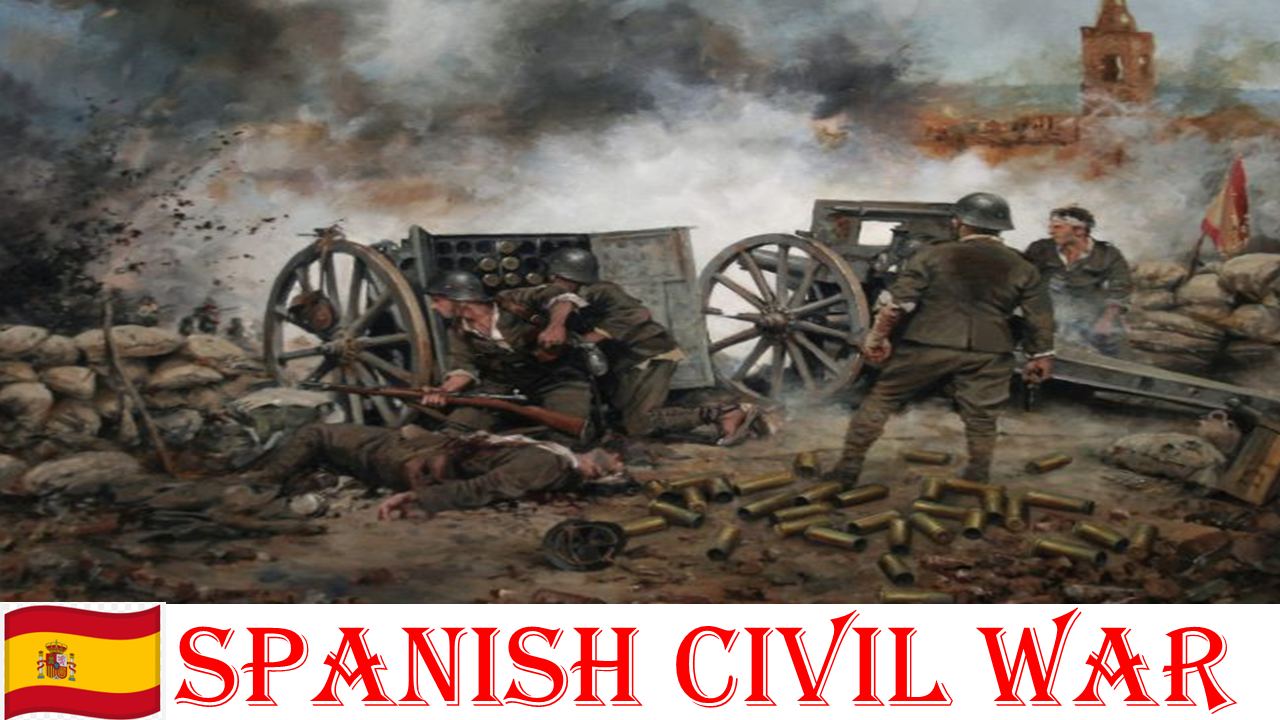
The Spanish Civil War (1936–1939) stands as one of the most tragic and transformative conflicts of the 20th century. More than a national struggle, it was a preview of the ideological and military confrontation that would soon devastate Europe during World War II. The war pitted Spaniards against one another, fractured families, destroyed cities, and reshaped the political destiny of Spain for decades.
With an estimated 500,000 deaths, millions displaced, and an entire generation traumatized, the conflict exposed the dangers of political extremism, social inequality, and unchecked polarization. At the same time, it drew the attention of the world, as major powers used Spain as a testing ground for weapons, strategies, and ideologies that would soon engulf the globe.
Understanding the Spanish Civil War is essential not only for grasping Spain’s modern history, but also for recognizing how fragile democratic institutions can be when confronted by deep social divisions.
Historical Context: Spain on the Brink of Collapse
The Fall of the Monarchy and the Second Spanish Republic
In 1931, after years of dissatisfaction with King Alfonso XIII, Spain abolished the monarchy and proclaimed the Second Spanish Republic. This new government promised modernization, democracy, and social justice in a country still marked by poverty, illiteracy, and rigid class divisions.
The Republic introduced ambitious reforms, including:
-
Separation of Church and State
-
Agrarian reform to redistribute land
-
Expansion of public education
-
Women’s suffrage
-
Regional autonomy for Catalonia and the Basque Country
These measures were welcomed by workers, intellectuals, and progressive sectors, but they deeply alarmed conservatives.
Political Polarization and Social Tensions
Spain quickly became divided between two opposing visions of society. On one side were progressives, socialists, anarchists, and liberals who supported reform. On the other were conservatives, monarchists, landowners, the Catholic Church, and much of the military, who feared the loss of tradition and authority.
Between 1931 and 1936, governments rose and fell rapidly. Strikes, land occupations, church burnings, and political assassinations became increasingly common. The atmosphere of instability created fertile ground for radicalization.
The situation reached a breaking point after the Popular Front, a left-wing coalition, won the February 1936 elections. To conservative elites, this victory represented an existential threat.
The Military Coup and the Outbreak of War
The Failed Coup of July 1936
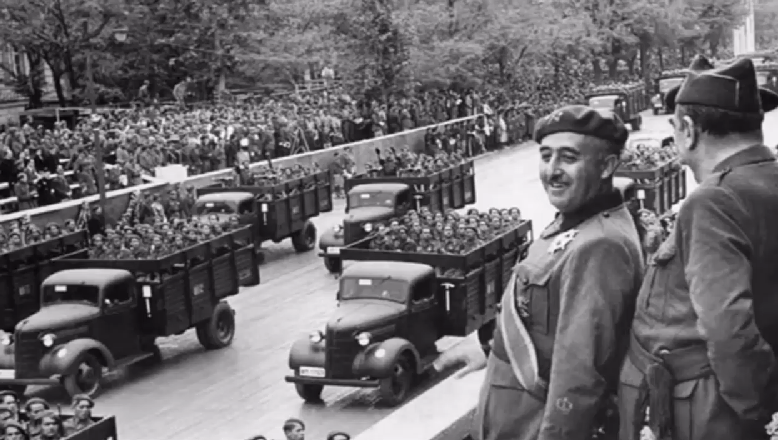
On July 17–18, 1936, a group of generals led by Francisco Franco, Emilio Mola, and José Sanjurjo launched a military uprising aimed at overthrowing the Republic. The coup succeeded in some regions but failed in others, particularly in major cities like Madrid and Barcelona.
Instead of restoring order, the failed coup plunged Spain into a full-scale civil war.
Two Spains, Two Ideologies
The country split into two camps:
The Republicans
-
Defended the democratic Republic
-
Included socialists, communists, anarchists, liberals
-
Supported by urban workers and intellectuals
The Nationalists
-
Led by Francisco Franco
-
Supported by conservative elites, the military, and the Catholic Church
-
Advocated authoritarian rule, nationalism, and traditional values
This division reflected not only political disagreement but deep cultural and social fractures within Spanish society.
The Development of the Spanish Civil War
A Brutal and Modern Conflict
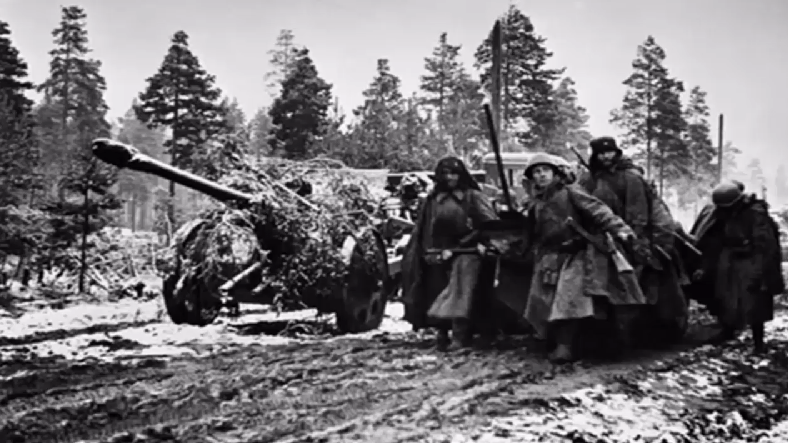
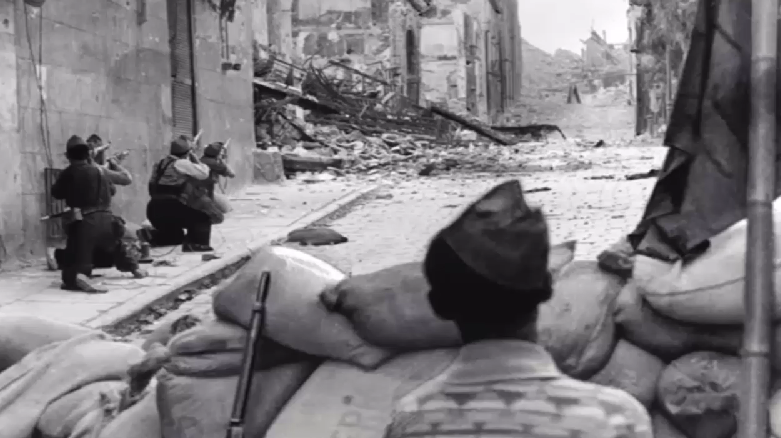
The Spanish Civil War was marked by unprecedented brutality. Both sides committed atrocities, including executions, bombings of civilian areas, and mass repression. Unlike earlier wars, civilians became direct targets.
Major battles such as Madrid, Jarama, Teruel, and the Ebro defined the conflict, but starvation, fear, and repression were constant realities across the country.
Internal Divisions Among the Republicans
Despite international sympathy, the Republican side suffered from internal ideological conflicts. Communists, anarchists, and socialists often disagreed on strategy and governance. These divisions weakened coordination and morale.
In contrast, Franco successfully unified Nationalist forces under a centralized command, gaining a crucial advantage.
Foreign Intervention: Spain as a Global Battlefield
Support for the Nationalists
-
Nazi Germany provided aircraft, tanks, and advisors
-
Fascist Italy sent over 70,000 troops
-
Portugal offered logistical support
Germany used the war to test air power, most infamously during the bombing of Guernica (1937).
Support for the Republicans
-
The Soviet Union supplied weapons and advisors
-
Over 35,000 volunteers formed the International Brigades
-
Fighters came from more than 50 countries, motivated by anti-fascism
Despite this support, international non-intervention policies limited aid and isolated the Republic.
The Fall of the Republic and Franco’s Victory
The End of the War
On April 1, 1939, Franco declared victory. Madrid fell, Republican resistance collapsed, and the war officially ended.
But peace did not follow.
Francoist Repression and Dictatorship (1939–1975)
A Regime Built on Fear
After the war, Franco established a military dictatorship that lasted nearly four decades. Repression was systematic and severe:
-
Between 100,000 and 200,000 executions
-
Hundreds of thousands imprisoned
-
Forced labor camps
-
Widespread censorship
Regional languages like Catalan and Basque were banned, and political opposition was eliminated.
Spain During World War II and International Isolation
Although officially neutral during World War II, Franco sympathized with Axis powers. After their defeat, Spain faced diplomatic isolation and economic hardship.
Only in 1955 was Spain admitted to the United Nations, beginning a slow reintegration into the international community.
Legacy and Historical Memory
The Silence and the Search for Truth
For decades, discussing the war publicly was forbidden. Only in the 21st century did Spain begin confronting its past through the Historical Memory Law, which:
-
Recognized victims of Francoist repression
-
Authorized the exhumation of mass graves
-
Removed symbols glorifying the dictatorship
Cultural Impact and Global Influence
The Spanish Civil War inspired some of the most powerful works of the 20th century:
-
George Orwell – Homage to Catalonia
-
Ernest Hemingway – For Whom the Bell Tolls
-
Pablo Picasso – Guernica
These works ensured that the conflict would not be forgotten.
Why the Spanish Civil War Still Matters Today
The conflict remains a powerful warning about:
-
The dangers of political extremism
-
The fragility of democratic institutions
-
The long-term consequences of hatred and intolerance
Its lessons remain relevant in a world still facing ideological polarization.
Conclusion
The Spanish Civil War was far more than an internal struggle. It was a clash of ideologies that anticipated the horrors of World War II and reshaped Spain for generations. Its legacy is written in mass graves, shattered families, and enduring debates over memory and justice.
Remembering this tragedy is not about reopening wounds — it is about learning from history to prevent its repetition. In an age of growing polarization, the Spanish Civil War stands as a stark reminder of what happens when dialogue fails and extremism prevails.