Ancestor Worship in Inca Culture
Introduction
The worship of the dead—or death itself—is a trait present in many ancient cultures, such as the Egyptian, Sumerian, and Celtic. Even today, in certain parts of the world like Mexico, there are constant references to the dead.
In this particular article, we’ll focus on ancestor worship in Inca culture. Let’s begin.
The Worship of the Dead Among the Incas
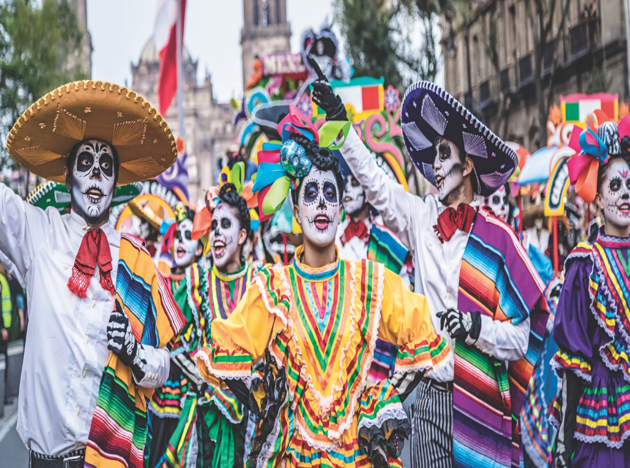
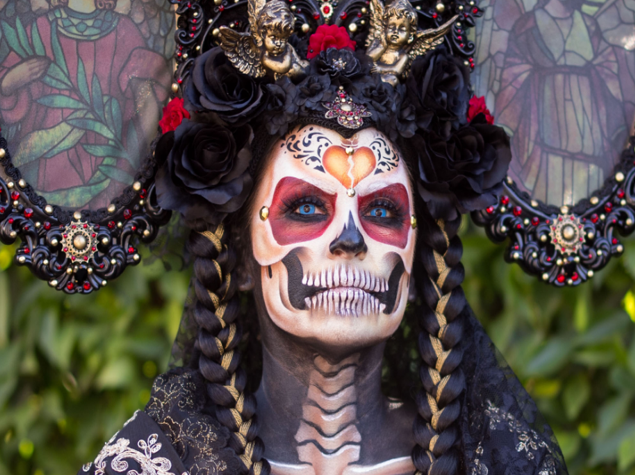
Ancestor worship in Inca culture was celebrated with music, macabre dances, sacrifices, and morbid rituals. This type of practice is not exclusive to the Inca; it can also be found in other Latin American cultures, such as the Mexican—heir to the Aztec civilization—most notably in the famous Day of the Dead.
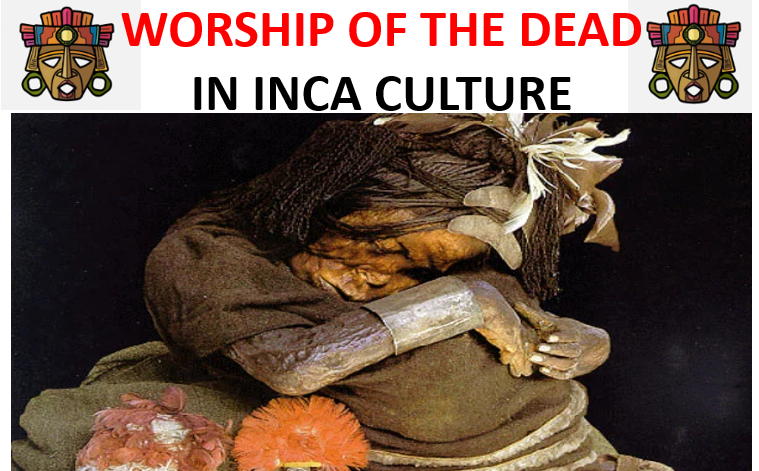
The Incas believed that existence only truly ended with the complete disappearance of the human body. That’s why they preferred to have their bodies mummified—to preserve their existence even after physical death.
Fear of Total Decomposition
The Incas took both death and the preservation of their bodies very seriously. They feared the complete decomposition of the body, which, to them, represented the true end of existence.
A clear example is what happened to Emperor Atahualpa, who was captured by the Spaniards. He was the last Inca emperor and converted to Catholicism against his will, out of fear of being burned alive by the conquerors if he refused to accept Christianity.
Huascar and the Attempt to Eliminate the Cult
Atahualpa’s brother, Emperor Huascar, attempted to eliminate ancestor worship, considering it a burden on the Inca people due to the high costs of decorating and mummifying the bodies.
However, Huascar faced fierce resistance from the Inca nobility. He was eventually killed—drowned in the Andamarca River—thus deprived of his mortality, and was replaced by his brother Atahualpa.
The Dead in Daily Life
Ancestor worship influenced Inca life on a daily basis. Each Inca family would keep their deceased loved ones close to home, often placing the mummified bodies in nearby mountains so the relatives would remain nearby.
Methods of Preserving the Dead
The method of preserving the deceased varied depending on where they had lived:
- Coastal areas: Mummified bodies were buried in the sand.
- Mountain regions: Bodies were exposed to the cold.
- Rainforests: The dead were placed in caves to protect them from humidity, which could hinder preservation.
The process was so effective that to this day, it is still possible to find well-preserved Inca mummies in museums in Cuzco, Peru.
Types of Mummification
There were two main types of mummification:
1. Natural Mummification
This was the most common form. Bodies were placed in caves and wrapped in wool, cotton, or linen cloths decorated with various patterns.
2. Artificial Mummification
Used for royalty and the elite, this method resembled Egyptian mummification. It involved:
- Removing internal organs, including the brain.
- Replacing leg muscles with wooden sticks.
- Anointing the body with animal or plant oils, or ground white corn mixed with roots and herbs.
- Thorough embalming from the skull down to the groin.
The Dead as Intermediaries with the Gods
The deceased were accompanied by their personal belongings on their journey to the afterlife. In Inca tombs, one could find:
- Pottery
- Fabrics
- Food
- Clothing
- Household items
The dead were believed to serve as intermediaries between the living and the Inca gods. They were considered messengers carrying human prayers to the Andean deities.
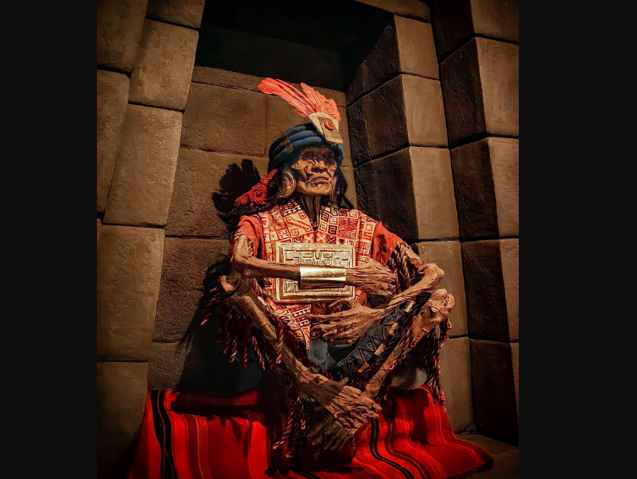
It was common for the Incas to place their mummified ancestors in wooden chairs, dressed in ornate clothing and colorful feathers, and parade them through the streets of the ancient empire.
The City of Cuzco and the Birth of the Inca Empire
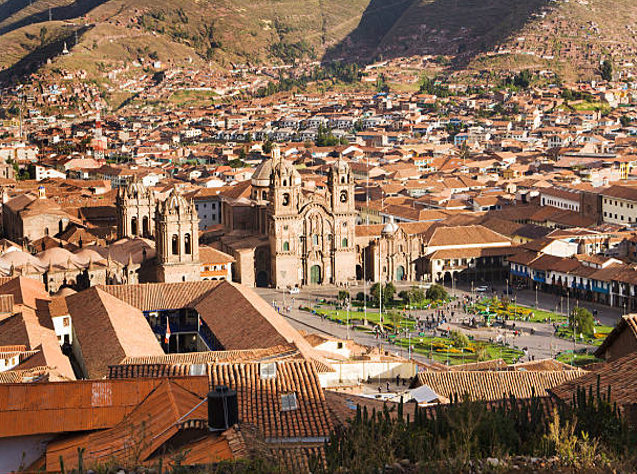
The city of Cuzco—Hispanicized from the Quechua word Qqosqo—is located at an altitude of 3,500 meters. Its founding is rooted in the myth of Ayar Manco and his wife Mama Ocllo, who were searching for a promised land to settle. They found this land on the ruins of the city of Acamama, where the Inca Empire was born. Ayar Manco would later be known as Manco Capac, the founder and first emperor of the Incas.
It was under the reign of the sovereign Pachacuti that ancestor worship became institutionalized and incorporated as an essential part of the spiritual and political organization of the empire.
Not All Incas Were Mummified
Finally, it is important to note that not all Incas were mummified. This process was mainly reserved for elites, priests, and important members of society. The common population was often buried in simpler—though still respectful—ways.
Conclusion: Immortality at the Heart of the Incas
Ancestor worship in Inca culture reveals a civilization deeply connected to the cycle of life and death. The belief that the soul ceased to exist only after the body had fully decomposed shows just how much the Incas valued the continuity of existence—even in the afterlife.
The practice of mummification, festive rituals, and the role of the dead as intermediaries with the gods demonstrate that the Incas did not fear death. Rather, they considered it an essential part of life and spirituality.
Curiosities and Historical Facts
- Inca mummies are so well preserved that many still have visible hair, skin, and even facial features. The most famous is the “Maiden of Llullaillaco”, discovered in 1999 at an altitude of 6,700 meters. She is considered one of the best-preserved natural mummies in the world.
- The tradition of parading the dead still exists in syncretic festivities across the Andes, especially in Bolivia and Peru. One example is the Festival of the Ñatitas, where human skulls are decorated and revered.
- During the Inca Empire, the bodies of former rulers were kept in special palaces, receiving offerings, new clothing, and even being “consulted” for political decisions. It was as if they were still participating in government, even after death.
- The Inca mummification system was so advanced and well-adapted to the Andean climate that it later inspired modern researchers studying body preservation in extreme environments.
Even after the destruction of the Inca Empire in the 16th century by the Spanish, Inca culture continues to thrive today—in the Quechua language, in the traditions of the Andes, and in the deep respect for ancestors that still shapes the identity of Andean peoples.