The Meaning Behind the Word “Samurai”
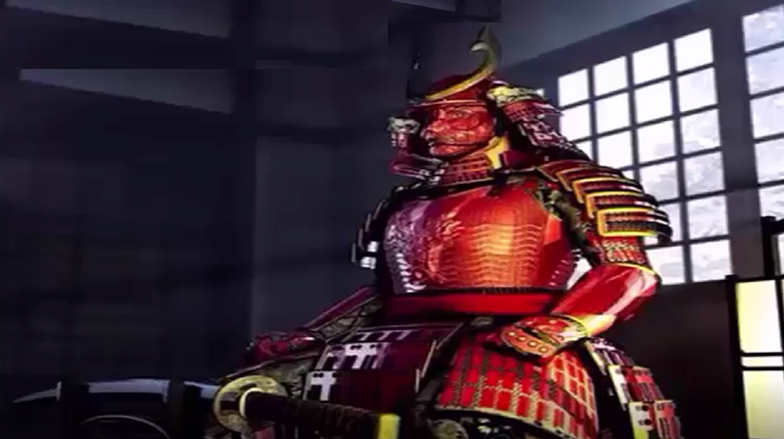
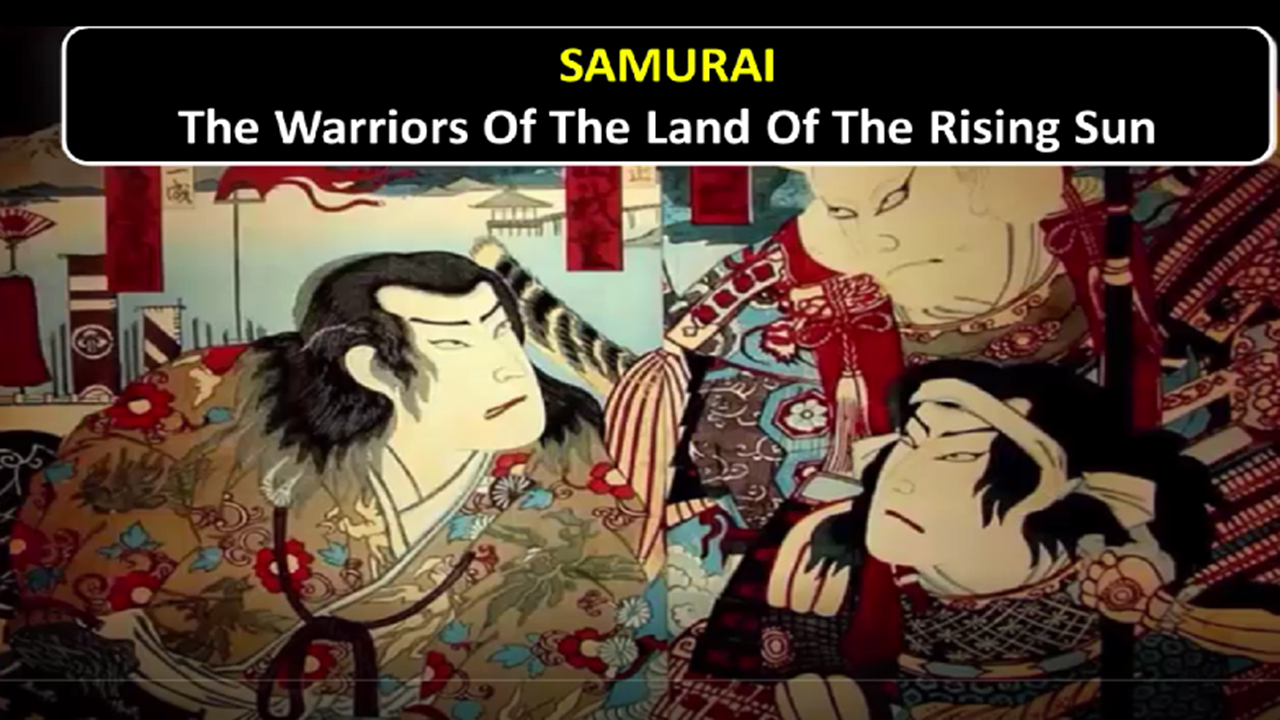
The word Samurai comes from the Japanese verb saburau, which means “to serve.” In ancient times, samurais were not the noble, sword-wielding warriors of popular imagination. They were local landowners and guards hired by powerful families to protect their territories from rival clans and bandits. As Japan entered a more militarized society, these protectors gradually became a professional warrior class, forming alliances with powerful nobles and taking on increasingly political roles. The concept of Bushidō, or “the way of the warrior,” became the ethical backbone of the samurai identity. This code of conduct emphasized virtues such as loyalty, honor, courage, discipline, and inner peace. Over time, the samurai came to embody not just military strength, but a philosophy of life rooted in spiritual and moral values.
Bushidō and the Culture of Honor
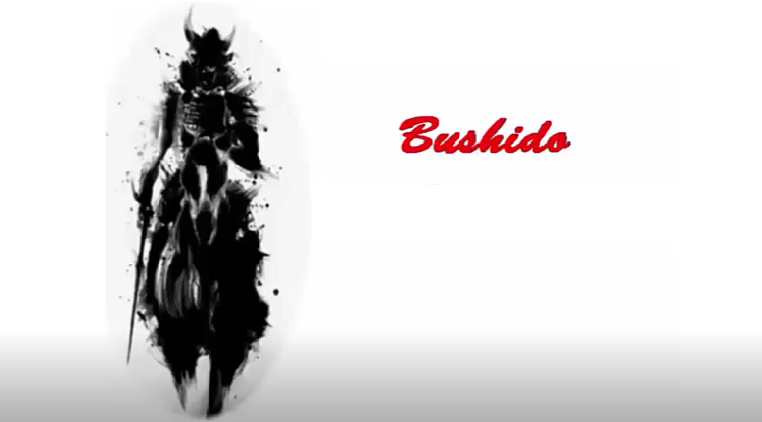
While samurais were highly skilled in combat, their sense of honor and ethical responsibility was even more important. Bushidō required absolute loyalty to one’s lord, control over emotions, and a readiness to die if necessary. One of the most extreme expressions of Bushidō was seppuku (ritual suicide), performed when a samurai lost honor through defeat or betrayal. Rather than live in shame, a true samurai chose to die with dignity. This intense focus on self-discipline led many samurais to pursue intellectual and artistic paths. Some became poets, monks, painters, or even tea ceremony masters. Their social status in Japanese society was high, ranking just below the nobility and above peasants, merchants, and artisans. The samurai was not just a fighter—he was an ideal of moral behavior and personal refinement.
Social Status and Feudal Hierarchy
In early Japanese history, becoming a samurai was possible through military training and allegiance to a powerful lord. However, this changed under the Tokugawa Shogunate, which came to power in 1603. The Tokugawa regime formalized the samurai as a hereditary class. Only the sons of samurais could become samurais, and the profession became legally restricted. This policy helped stabilize the rigid social hierarchy of feudal Japan, with the emperor and shogun at the top, followed by the samurais, then farmers, artisans, and merchants. Despite their power and privileges, many samurais faced economic difficulties, especially in times of peace, when their military skills were less in demand. Still, they remained cultural icons of honor, discipline, and sacrifice.
The Mysterious Origins of the Samurai
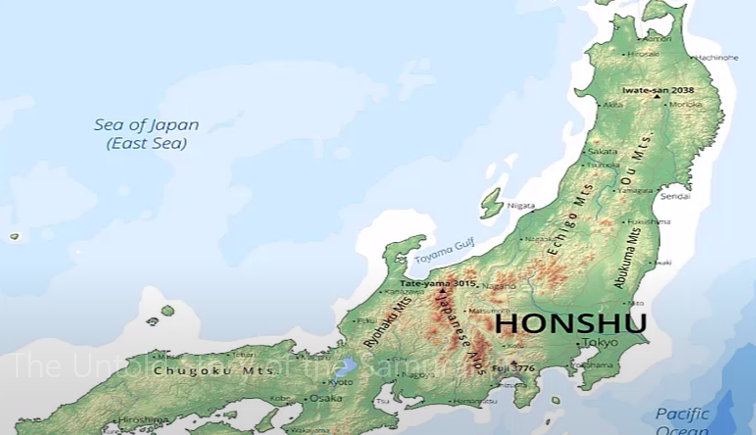
The origins of the samurai class are still debated among historians. Some believe they were influenced by the Emishi, an indigenous people of northern Japan known for their warrior traditions. The Emishi were skilled horsemen and archers who resisted early Japanese imperial expansion. Over time, their fighting techniques may have influenced the development of the samurai. Other scholars suggest that the rise of local militias in the countryside during the Heian period (794–1185) laid the foundation for the samurai class. These early warriors protected rural lands from bandits and rival clans, gradually gaining more power and autonomy from the imperial court. By the late Heian period, the samurai were not just bodyguards—they were political actors in their own right.
The Rise of the Shogunate
The first official samurai-led government began in 1192 when Minamoto no Yoritomo was appointed shogun by the emperor, establishing the Kamakura Shogunate. This marked the beginning of nearly 700 years of military rule in Japan. The samurai class grew in political importance, managing land, collecting taxes, and enforcing laws. They no longer served just as protectors of noble families—they became the ruling class themselves. However, power struggles were common. The reign of Emperor Go-Daigo in the 14th century attempted to restore imperial rule, leading to civil wars and a temporary weakening of the shogunate. Although he succeeded in overthrowing the Kamakura Shogunate in 1333, his new government failed to maintain stability, allowing new military leaders to seize control.
The Brief Rule of the Daimyōs
After the fall of the first shogunate, regional warlords known as Daimyōs gained influence. These powerful figures, often with peasant origins, controlled large territories and private armies. Many Daimyōs challenged the traditional samurai elite, seeking greater autonomy. However, their power was short-lived. In 1336, Ashikaga Takauji, a former samurai general, established the Ashikaga Shogunate, restoring military rule and reasserting the dominance of the samurai class. This period, known as the Muromachi era, saw a flourishing of arts and culture, including the development of Noh theater, ink painting, and Zen Buddhism—all deeply connected to samurai values of simplicity, discipline, and meditation.
The Long Decline of the Samurai Class
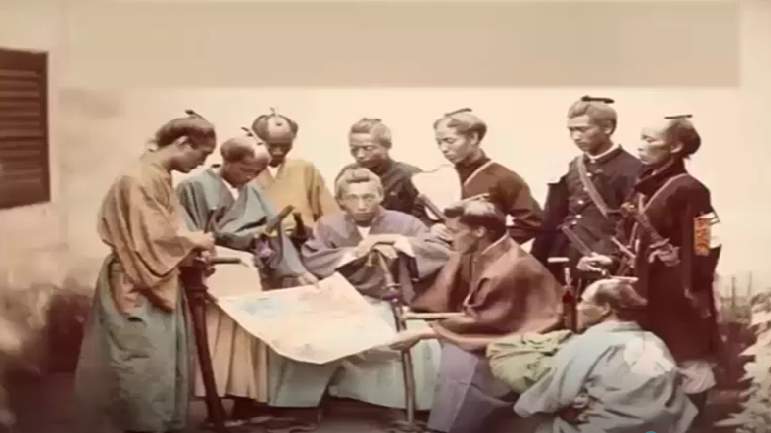
The decline of the samurai was not sudden—it was a slow erosion that unfolded over centuries. After the unification of Japan under the Tokugawa Shogunate in 1603, the country entered a long period of peace known as the Edo period. Without constant warfare, the samurais’ military role diminished. Many became bureaucrats, teachers, or advisors in the new political system. Still, they maintained their symbolic status, continuing to wear their traditional two swords (daishō) and uphold the Bushidō code. But economic problems plagued the class. Samurai were often forbidden from engaging in commerce, and their stipends from feudal lords became insufficient. Some fell into poverty, while others sold their swords to survive. As modernization progressed, their role became increasingly ceremonial.
The End of the Samurai Era
The true end of the samurai came with the Meiji Restoration in 1868. Seeking to modernize and centralize Japan, the new Meiji government abolished the feudal system, dissolved the samurai class, and created a national army open to all citizens. The right to carry swords was revoked, and samurais lost their privileges, lands, and political power. Many former samurais resisted these changes, most notably in the Satsuma Rebellion of 1877, led by the legendary Saigō Takamori. Despite their bravery, the rebellion was crushed by the imperial army using modern rifles and artillery. This final defeat symbolized the end of the samurai as a ruling force. However, their legacy endured in Japanese culture, inspiring generations with their stories of loyalty, sacrifice, and moral strength.
Final Thoughts
The samurai were not just warriors—they were philosophers, artists, and cultural icons. Their journey from rural guards to political leaders and finally to cultural legends reveals much about the evolution of Japanese society. Though their swords have long been put to rest, their values continue to influence Japanese identity and global fascination with honor, discipline, and inner peace. Today, the image of the samurai lives on through books, films, martial arts, and the enduring Bushidō spirit. They remind us that true strength lies not only in the blade but in the heart and mind of the one who wields it.