Introduction
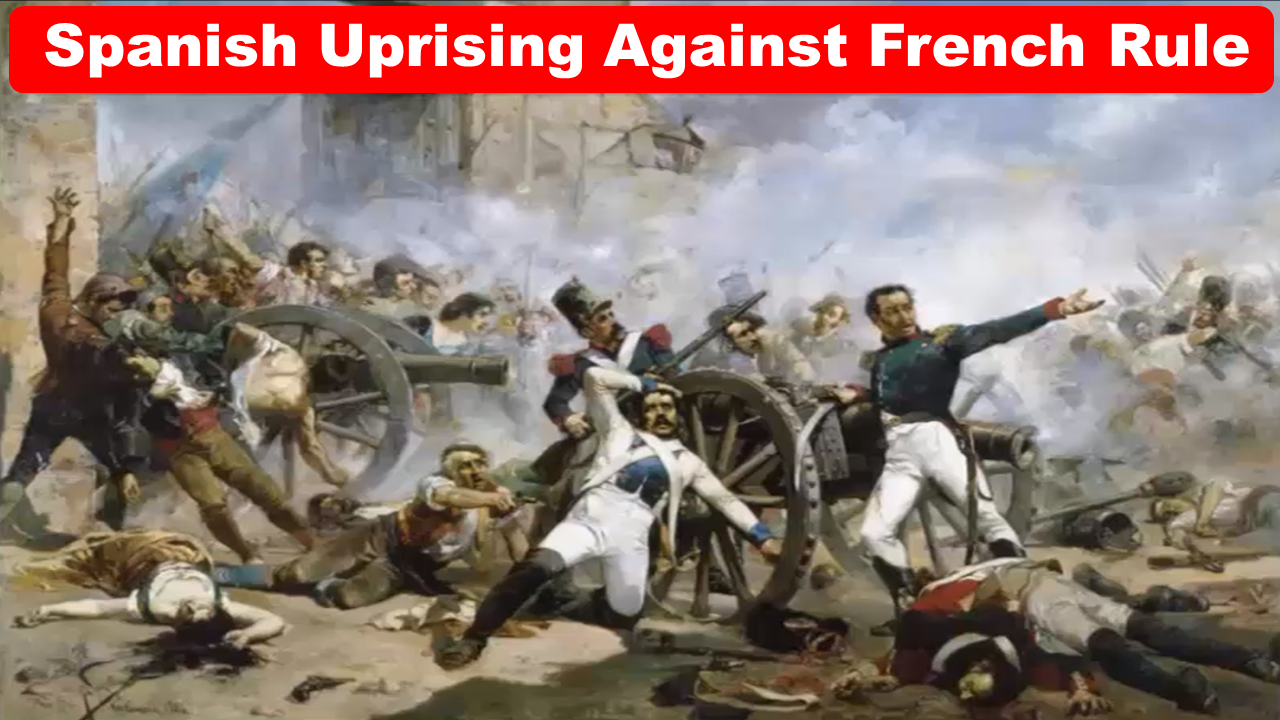
During the Napoleonic Wars, Spain experienced one of the most violent and remarkable chapters in its history. Between 1808 and 1814, the country became the battleground of an intense resistance movement against the occupation of French troops led by Napoleon Bonaparte. This conflict was not a typical war. It was in this context that the term “guerrilla” was born—a form of irregular warfare that challenged one of the most powerful armies in Europe. In this article, we will explore how the Spanish population resisted and wore down the French Empire using creative tactics, deep knowledge of their homeland, and extraordinary bravery.
Historical Background: Napoleon’s Invasion of Spain
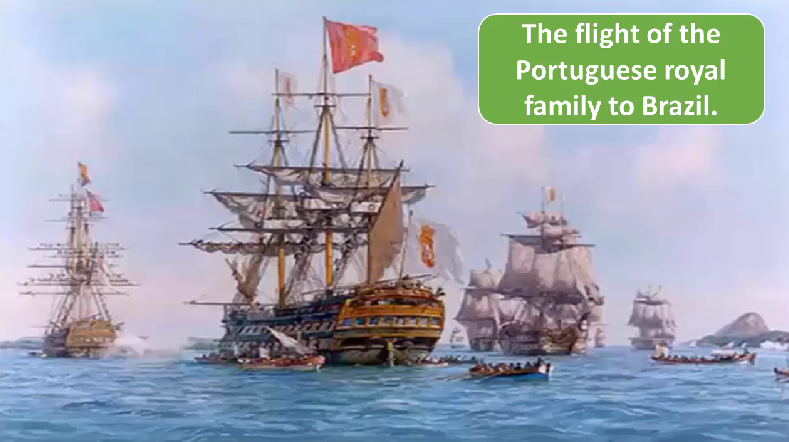
In 1808, Napoleon Bonaparte decided to intervene directly in Spanish politics. After manipulating both King Charles IV and his son Ferdinand VII, Napoleon placed his own brother, Joseph Bonaparte, on the Spanish throne. This move was perceived by the Spanish people as a foreign invasion and a direct attack on their national identity and sovereignty.
Despite the overwhelming military power of the French army—experienced and well-equipped soldiers—the Spanish people did not passively accept the occupation. On the contrary, they sparked one of the fiercest popular resistances in 19th-century Europe.
The Rise of Guerrilla Warfare: A New Type of Combat
The word “guerrilla” comes from Spanish and literally means “little war.” But the impact of this so-called “little war” was massive. Unlike traditional battles, Spanish guerrillas used fast, unexpected tactics based on their deep knowledge of the terrain.
Guerrilla fighters attacked supply convoys, ambushed isolated troops, and vanished into the mountains, forests, and villages. They completely broke the rules of conventional warfare, leaving French generals confused and unprepared.
Civilian Participation in the Resistance
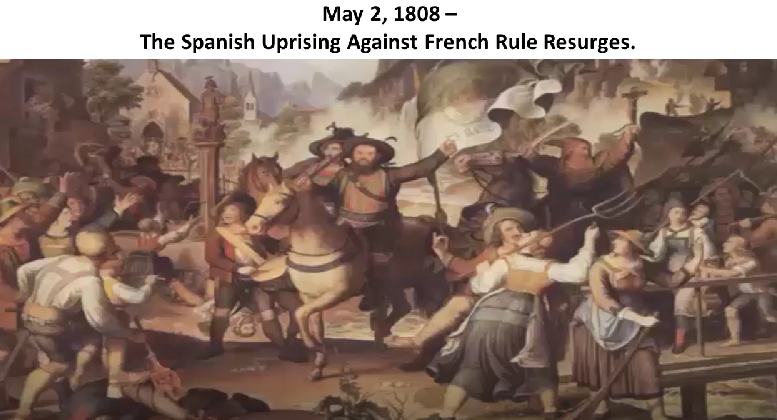
The resistance was not formed by regular soldiers alone. Farmers, artisans, priests, women, and even teenagers joined the fight. The entire social structure of Spain reorganized itself to support the guerrilla movement.
- Women hid weapons and food in their homes.
- Priests used churches as meeting places and safe havens.
- Children acted as messengers and scouts.
- Local villagers provided intelligence on the movement of French troops.
This massive civilian involvement turned the occupation into a nightmare for the French.
Geographic Advantage: The Spanish People’s Invisible Weapon
Spain’s geography played a crucial role in the success of the guerrilla tactics. The country is made up of rugged mountains, dense forests, and isolated villages, which made it extremely difficult for regular armies to move effectively.
While the French army relied on heavy artillery, wagons, and rigid formations, Spanish guerrillas knew every trail, shortcut, and cave in the region. They could strike and then disappear into terrain that was impossible for the French to follow.
This geographic advantage was one of the key reasons behind the rebels’ many victories.
The French Army’s Mistakes
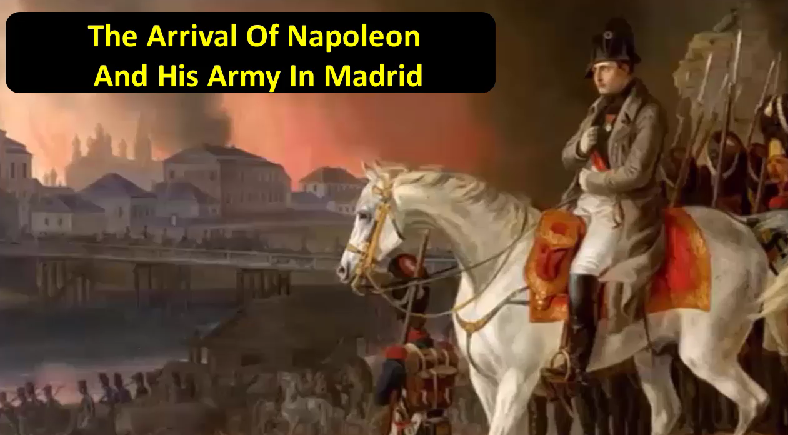
Napoleon was used to fast, decisive victories using traditional warfare methods like artillery, cavalry, and synchronized attacks. But the war in Spain did not follow these rules.
The French army’s lack of preparation for irregular warfare became clear:
- Troops were isolated in cities, unable to control the countryside.
- Supply convoys were frequently ambushed and robbed.
- French officers felt powerless and demoralized in the face of an invisible enemy.
Napoleon once described the Spanish campaign as a “bleeding ulcer” that drained his empire’s resources and morale.
British Support to the Rebels
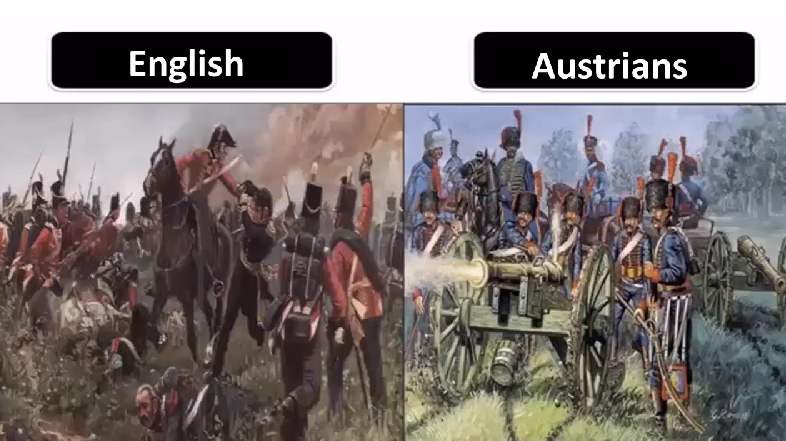
Another decisive factor was the military support from Britain. As Napoleon’s greatest enemy, England saw the Spanish resistance as a perfect opportunity to weaken the French Empire.
British General Arthur Wellesley, later known as the Duke of Wellington, led allied forces to support the Spanish fighters. Together, British troops and Spanish guerrillas launched several major campaigns, including the Battle of Salamanca (1812), which was a major defeat for the French.
This Anglo-Spanish alliance proved both strategic and devastating for Napoleon.
The Psychological Impact of Guerrilla Warfare
Beyond material losses, the guerrilla campaign had a deep psychological effect on French soldiers. They lived in constant tension, always aware that an attack could happen anywhere and at any moment. A simple walk down a country road or a visit to a village could end in a deadly ambush.
This situation caused:
- Low morale and fear among the troops.
- Frequent insubordination.
- Chronic stress and breakdown of discipline.
The inner disorganization and mental exhaustion of the French forces made it even harder for them to maintain control over Spain.
Consequences for Napoleon and Europe
The Spanish war was one of Napoleon’s biggest strategic mistakes. He had to deploy hundreds of thousands of troops to maintain control over the region, while also fighting on other fronts across Europe.
The Spanish resistance was the first clear sign that Napoleon’s empire could be defeated. His failure to conquer the Iberian Peninsula severely weakened France and encouraged other nations and rebels to rise up—such as during the disastrous invasion of Russia in 1812.
In the end, the costly war in Spain contributed directly to Napoleon’s downfall in 1815.
Guerrilla Warfare as a Global Legacy
The Spanish experience with guerrilla warfare became a blueprint for resistance movements in the 20th century, including in China, Vietnam, and Latin America. The idea that local populations with strong will and knowledge of the terrain could defeat powerful armies inspired revolutionary leaders across the globe.
Conclusion
The Spanish resistance against Napoleon was more than a military conflict—it was a powerful example of a nation refusing to surrender. Through creativity, courage, and popular unity, the Spanish people showed that no empire is invincible when faced with a population that knows its land, its history, and its values.