When the Giant Awoke: America’s Long Road From Neutrality to War
When World War I began in Europe in 1914, the United States initially chose a position of neutrality.
On August 19, 1914, President Woodrow Wilson officially defended the idea that America should remain outside the conflict between the Triple Entente (France, Britain, and Russia) and the Central Powers (Germany, Austria-Hungary, and the Ottoman Empire).
For Wilson, staying neutral was the best way to protect American interests and avoid being dragged into a European conflict.
However, within less than three years, that policy would completely change.
The United States would enter the war, send millions of soldiers overseas, and emerge as one of the most influential nations in the world.
America Before the War: The Challenge of Remaining Neutral
A Nation Divided by Origins and Interests
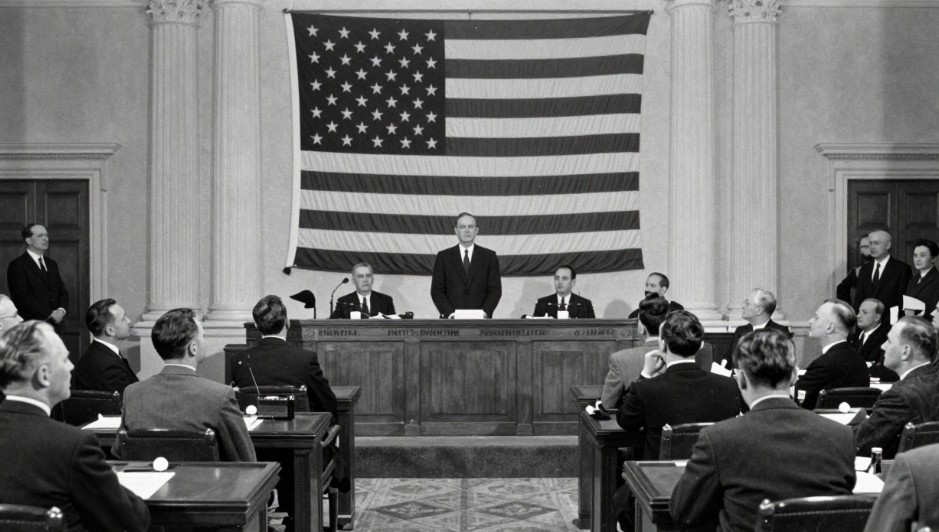
American neutrality was not simple.
The United States was a nation of immigrants, and many communities had strong connections to European countries involved in the war.
Public opinion was divided:
- Millions of German-Americans sympathized with Germany.
- Many Irish-Americans distrusted Britain because of historical conflicts.
- Other Americans felt closer culturally and economically to Britain and France.
At the same time, the United States continued expanding its commercial relationship with the Allied nations.
Although officially neutral, America was becoming economically connected to the war.
The Economic Connection With the Allies
Trade, Weapons, and Financial Interests
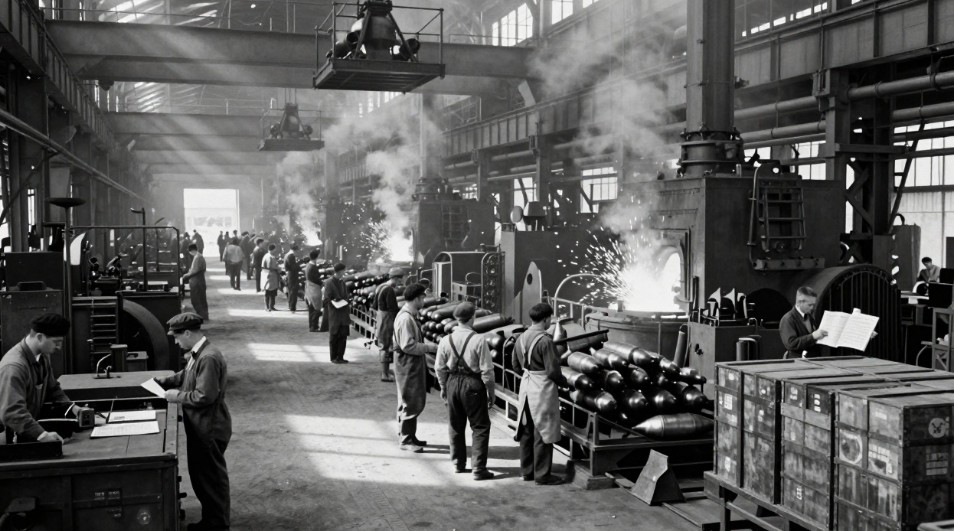
During the first years of the conflict, American industries supplied enormous quantities of materials to Britain and France.
The United States provided:
- Weapons.
- Ammunition.
- Industrial equipment.
- Food supplies.
- Financial loans.
This trade became increasingly important for the Allied war effort.
By 1917, the United States had become the main creditor of Britain and France, with investments exceeding:
$10 billion dollars.
A possible German victory threatened not only Allied survival but also American economic interests.
The war was no longer a distant European issue.
It was becoming connected to America’s own future.
The Submarine Crisis: Germany Challenges American Neutrality
The Rise of U-Boat Warfare
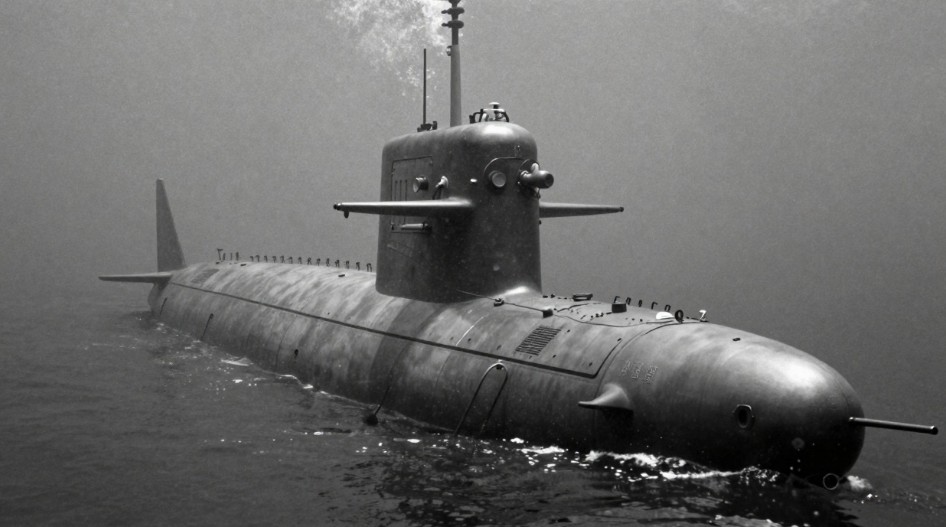
Germany recognized that Britain’s naval power was a major obstacle.
Unable to defeat the Royal Navy directly, Germany turned to submarine warfare.
German U-boats began attacking ships carrying supplies to Britain and France.
Berlin argued that these attacks were necessary to weaken the Allied war machine.
However, they created increasing anger in the United States.
The greatest crisis came in 1915.
The Lusitania Disaster: The Moment Public Opinion Changed
May 7, 1915
On May 7, 1915, the German submarine U-20 sank the British passenger liner RMS Lusitania.
The disaster shocked the world.
Among the victims were:
- 1,198 people killed.
- 128 American citizens among the dead.
The attack created outrage across the United States.
Many Americans who had previously supported neutrality began questioning whether staying outside the war was still possible.
The sinking became one of the most important events that pushed the country closer to intervention.
The Final Break With Neutrality
A Nation Moves Toward War
Despite the Lusitania tragedy, the United States did not immediately declare war.
President Wilson continued trying to maintain peace.
However, tensions increased as Germany continued submarine attacks.
Three American ships were eventually sunk, creating growing demands for action.
At the same time, the American government faced another concern:
If Germany defeated the Allies, billions of dollars invested in Britain and France could be lost.
The combination of:
- Attacks on American lives.
- Economic interests.
- German military expansion.
made neutrality increasingly difficult to maintain.
April 6, 1917: America Enters World War I
The Sleeping Giant Awakens
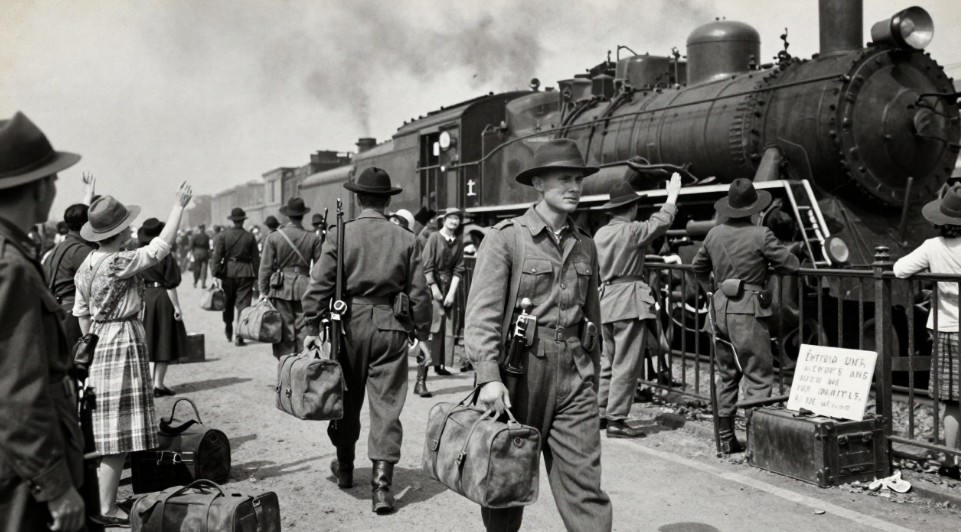
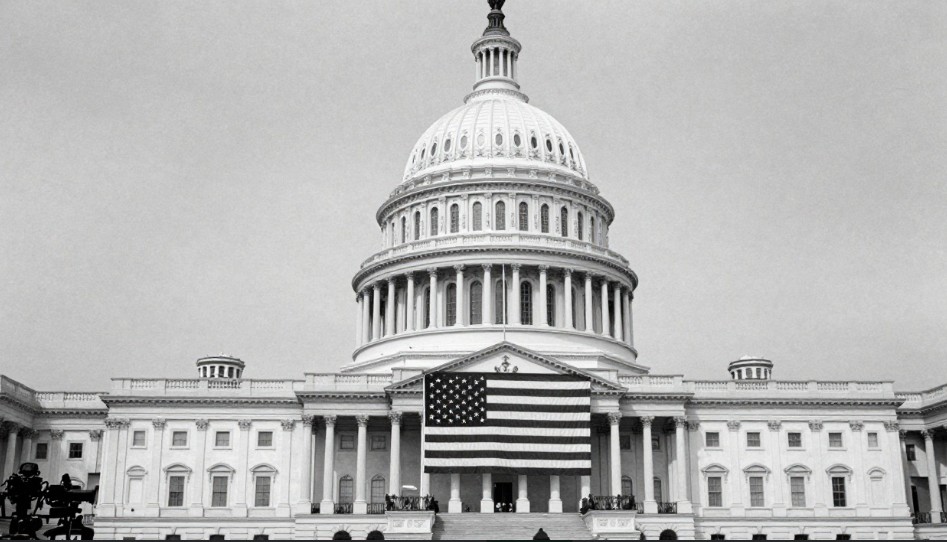
On April 6, 1917, after a request from President Woodrow Wilson, the United States Congress officially declared war on Germany.
America had entered the First World War.
The decision transformed the balance of power.
Before American intervention, the Allies were exhausted after years of fighting.
The arrival of American resources, soldiers, and industrial capacity provided a new source of strength.
The United States was no longer simply an observer.
It had become an active participant in shaping world events.
Mobilizing the American War Machine
Building an Army Almost From Nothing
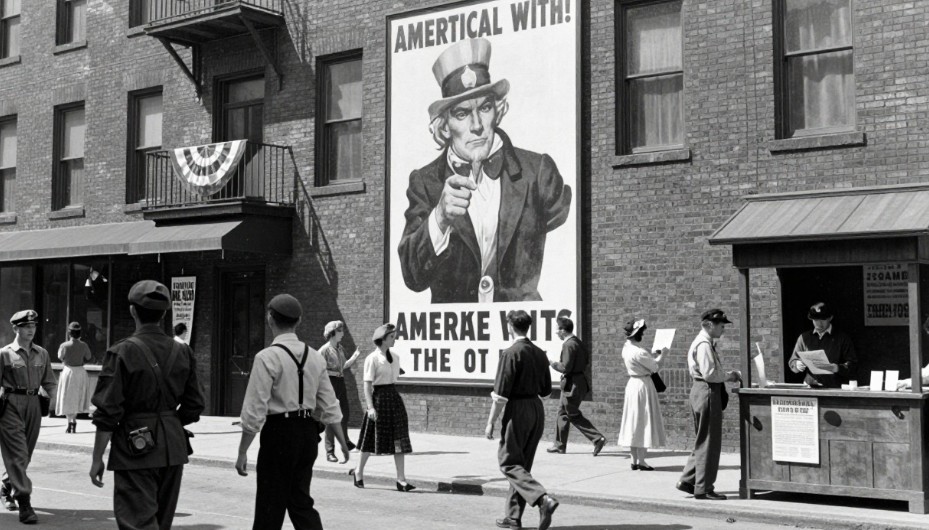
When the United States entered the conflict, it did not possess a massive army comparable to the European powers.
A huge mobilization effort began immediately.
The government expanded military recruitment and created the forces that would become the:
American Expeditionary Force (AEF).
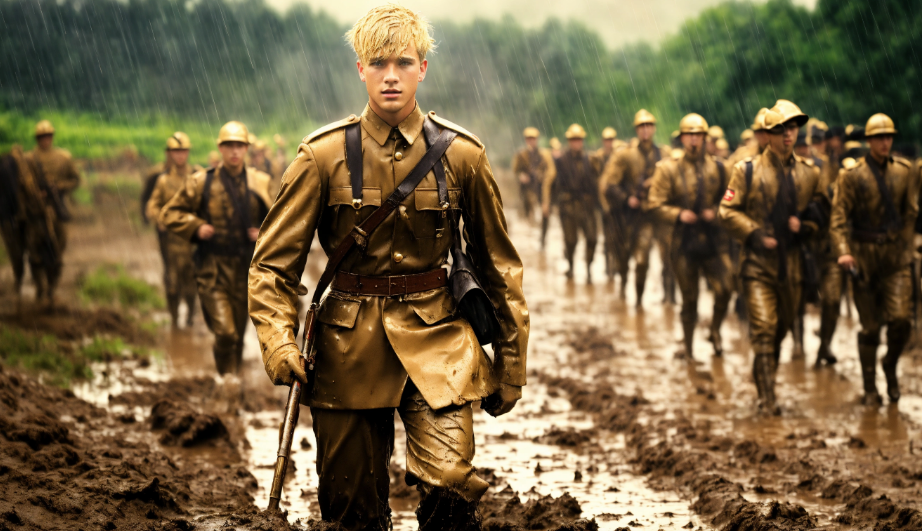
Under the command of General John J. Pershing, American troops prepared to cross the Atlantic and fight on the Western Front.
The First American Soldiers Arrive in France
June 26, 1917
Only two months after declaring war, the first American troops arrived in Europe.
On June 26, 1917, approximately:
14,750 American soldiers
landed at the French port of Saint-Nazaire.
This was only the beginning.
American forces arrived through several major French ports:
- Saint-Nazaire.
- Bordeaux.
- Le Havre.
- Brest.
- Marseille.
- La Rochelle.
At the height of American deployment, approximately:
200,000 U.S. soldiers arrived in France every month.
The transformation was remarkable.
A country that had entered the war with a limited army was rapidly becoming a major military force.
The American Expeditionary Force on the Western Front
Fighting Alongside the Allies
American troops fought alongside experienced Allied commanders, including:
- British Field Marshal Douglas Haig.
- French General Philippe Pétain.
The United States participated in important operations across France.
American forces fought in areas such as:
- The Marne region.
- The Somme sector.
- The Meuse-Argonne Offensive.
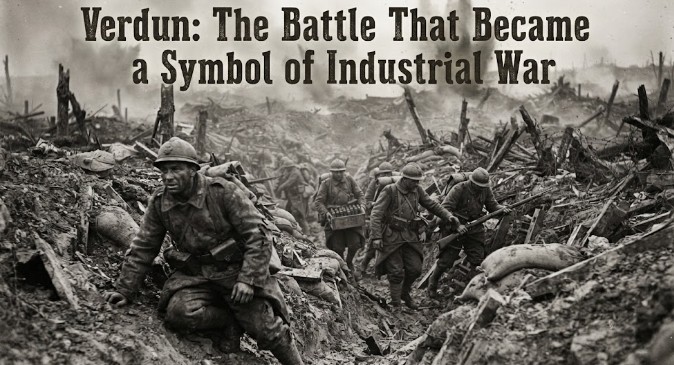
One of the most important moments came in August 1918, when approximately:
550,000 American soldiers
participated in a major offensive that helped defeat German forces southeast of Verdun.