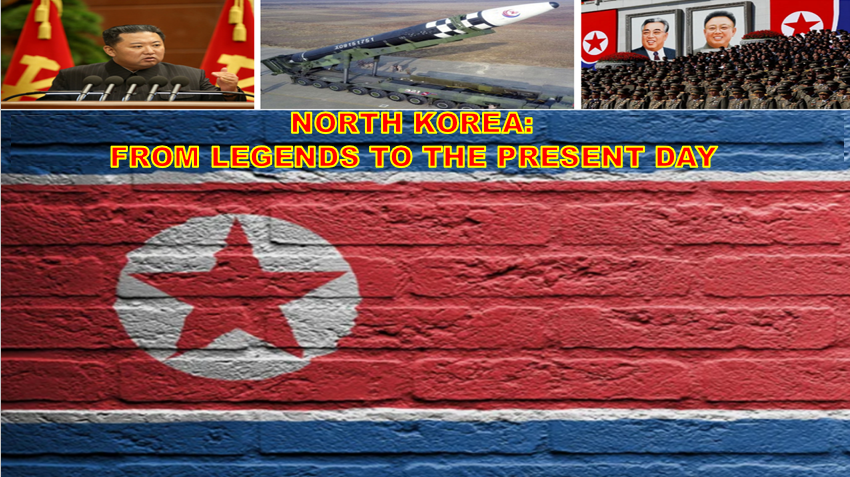
North Korea: From Legends to the Present Day – The Complete History of the Korean Peninsula
North Korea, known as one of the most isolated countries in the world, has a history marked by legends, invasions, and deep divisions. In this article, we will explore the origins of the Korean people, from the mythical beginnings to the current situation of the peninsula, analyzing the events that shaped North Korea, South Korea, and the conflict between them.
Mythical Origins: The Foundation of the Korean People
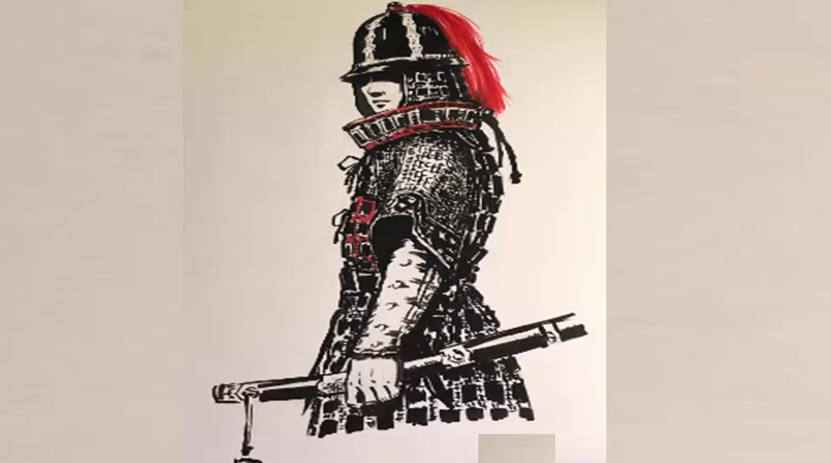
The history of Korea, both North and South, is deeply rooted in legends that are still celebrated today. One of the most significant is the legend of Tan-gun, the mythical founder of Korea, who is celebrated in 2333 BCE. According to the legend, Hang-ung, the son of the God of Heaven, descended to Earth and established himself in the Tacback mountains. There, he encountered a bear who, desiring to become human, asked Hang-ung for help. After 100 days of retreat, eating garlic and artemisia, the bear transformed into a woman. Hang-ung married her, and together they had a son, Tan-gun, who became the first ruler of Korea.
This legend is seen as the foundation of the Korean identity, reflecting values of courage and perseverance, traits attributed to the bear and its transformation. However, Korea’s history is also marked by external challenges and internal divisions.
The Han Dynasty and the Three Korean Kingdoms
Before the formation of Korea as a nation, the peninsula was under Chinese domination, specifically the Han Dynasty, which invaded the region in 108 BCE. Despite this occupation, the Koreans resisted domination and formed three distinct kingdoms: Koguryo in the north, Baekje in the southwest, and Silla in the southeast. These kingdoms were in constant rivalry to gain control of the peninsula.
The supremacy of the kingdoms was contested until the Silla kingdom emerged victorious, reaching its peak between 670 and 870 CE. During this period, Silla consolidated the unity of the Korean peninsula, but its rule was shaken by invasions and struggles for power between other kingdoms and external forces.
The Goryeo Dynasty and the Mongol Resistance
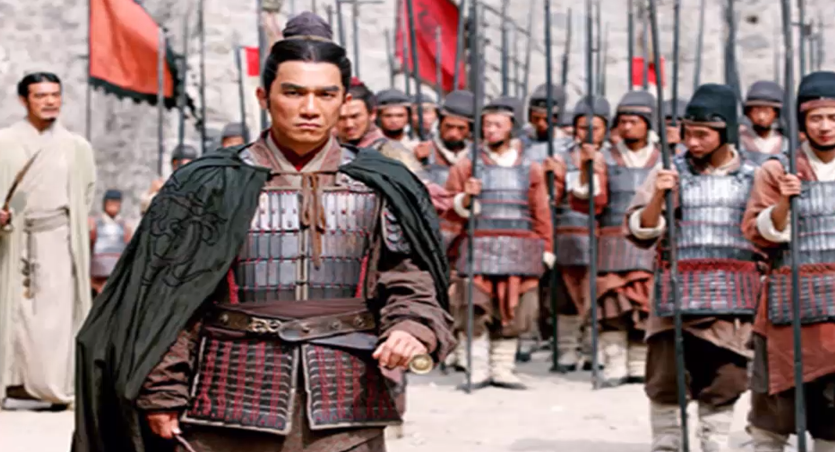
The Goryeo Dynasty, which ruled Korea from 918 to 1392, was a period of great significance in the country’s history, with the establishment of a capital at Songdo (modern-day Kaesong). During the Goryeo period, Korea was subjected to an invasion by the Mongols, led by Genghis Khan. The Koreans fought fiercely, but after 30 years of struggle, the Mongols succeeded in conquering the peninsula.
However, Korean resistance did not cease. As the Mongol Empire began to decline after Genghis Khan’s death, the Korean warrior Yi Seong-gye (later known as King Taejo) took advantage of the Mongols’ weakening power and led a revolt that expelled the Mongols from Korea. Yi Seong-gye founded the Joseon Dynasty in 1392, which would last until 1910.
The Joseon Dynasty and Confucian Influence
With the establishment of the Joseon Dynasty, the capital of Korea was moved to Seoul, and Confucianism replaced Buddhism as the main philosophy and social system of the country. During this period, Korea experienced internal stability and cultural development. However, over the following centuries, the Joseon Dynasty faced several external challenges, including invasions by Japan and political interference.
Between the 16th and 17th centuries, Korea was invaded by the Japanese and the Manchus. These conflicts and invasions led to Korea becoming increasingly isolated from the rest of the world, a policy that would last for centuries.
Japanese Occupation and the Struggle for Independence
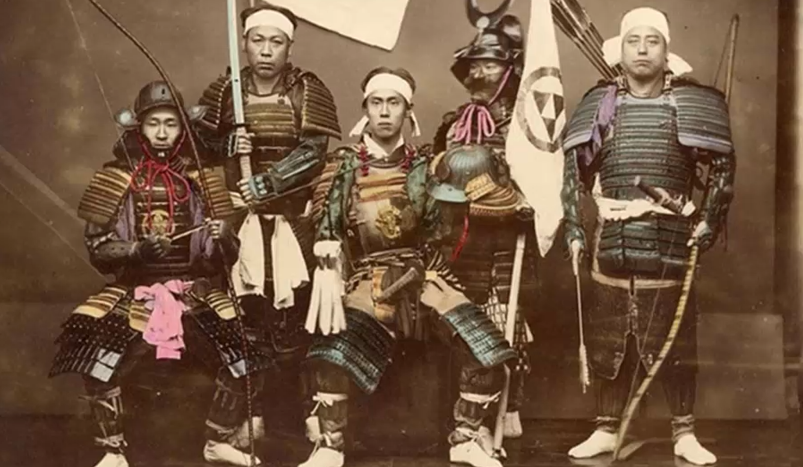
In the early 20th century, Korea was annexed by Japan and became a Japanese colony from 1910 to 1945. During this period, Japan economically developed Korea but also imposed a policy of cultural and political repression, which caused great suffering among the Korean people.
After Japan’s defeat in World War II, Korea gained its independence, but the peninsula was divided into two occupation zones: South Korea, under the influence of the United States, and North Korea, under the influence of the Soviet Union. This division led to the formation of two independent states, each with completely different political systems.
The Korean War: Conflict and Permanent Division
The division of Korea led to a series of conflicts and tensions between the communist government of North Korea, led by Kim Il-sung, and the democratic government of South Korea, supported by the United States. The conflict culminated in the Korean War, which occurred from 1950 to 1953, when the North attempted to annex the South.
The Panmunjom Armistice, signed in 1953, established a ceasefire, but the division of Korea remained, with the creation of the Demilitarized Zone (DMZ), which still separates the two countries to this day. Although the armistice ended active hostilities, tensions between the two countries have never fully disappeared.
North Korea Under Kim Il-sung’s Regime
After the war, North Korea remained under the regime of Kim Il-sung, who implemented a policy of self-reliance (juche) and isolation, with support from the Soviet Union and China. The communist regime imposed severe restrictions on individual freedoms, and the population lived under absolute control.
North Korea’s economy focused on military investments, with the construction of a large army and the development of nuclear weapons. In 1994, Kim Il-sung passed away and was succeeded by his son, Kim Jong-il, who continued the isolationist policy and further entrenched the cult of personality within the country.
Kim Jong-il and Kim Jong-un’s Regimes
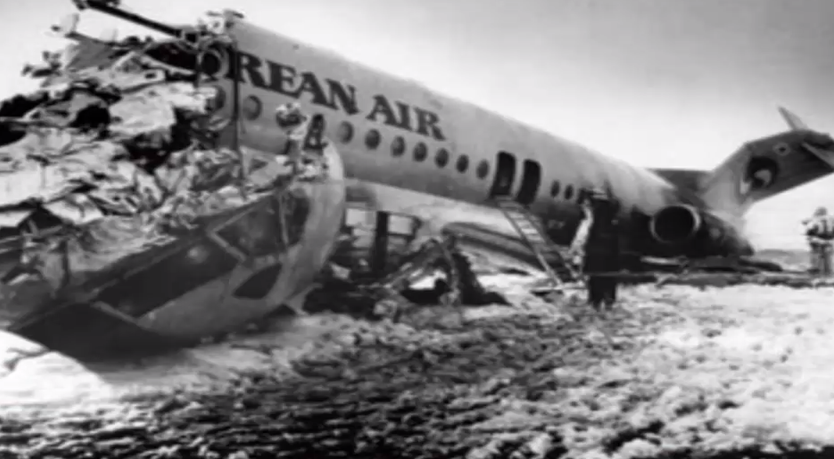
Kim Jong-il maintained the communist and isolationist regime, although he sought to establish some diplomatic relations with the West. However, North Korea’s economy continued to decline, and a severe food crisis hit the country, resulting in the deaths of thousands of people.
In 2011, after Kim Jong-il’s death, his son, Kim Jong-un, assumed power. Despite expectations for some reforms, Kim Jong-un maintained the focus on isolationist policies, with an emphasis on nuclear weapons development and ballistic missile testing, especially aimed at the United States.
North Korea Today: The Nuclear Challenge and International Tensions
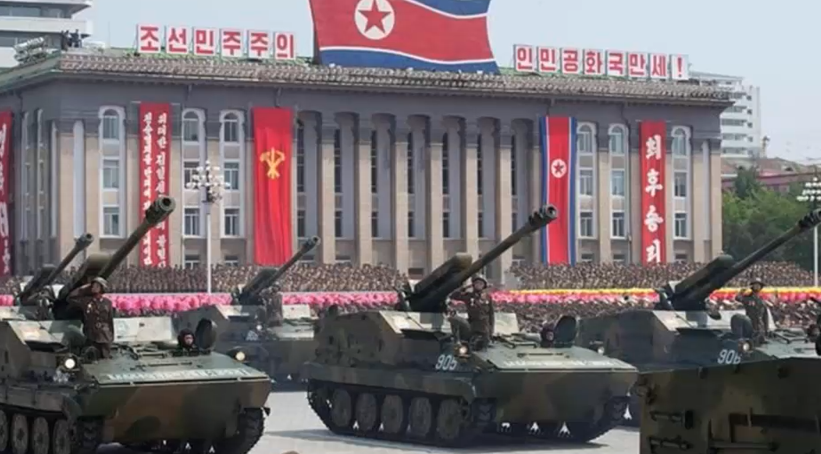
North Korea remains one of the most secretive and authoritarian nations in the world. Its nuclear policy has generated international tensions, with the United States and its allies attempting to pressure the regime to abandon its nuclear tests. However, Kim Jong-un continues to assert that nuclear development is essential for the country’s security against potential invaders.
Additionally, North Korea remains extremely isolated, with severe restrictions on external communication and foreign entry. The humanitarian situation in the country is critical, with reports of human rights violations and a population living in dire conditions.
Conclusion: The Future of North Korea
The future of North Korea remains uncertain. The country continues to be a geopolitical flashpoint, with an authoritarian leadership and a system that defies international norms. While the regime has shown interest in diplomatic negotiations in the past, its nationalist stance and military development continue to be obstacles to lasting peace in the region.
North Korea, with its closed and authoritarian regime, remains a nation deeply divided from the rest of the world, and its future will depend on many factors, including relations with its neighbors and international pressure.