The Strait on Fire: How a Regional Conflict Is Reshaping Global Power, Energy, and the Future of War
The world is once again facing a geopolitical flashpoint with the potential to reshape not only the Middle East but the global balance of power. The escalating confrontation between the United States and Iran in early 2026 is no longer a distant possibility or a theoretical crisis. It is an active conflict, already unfolding through military operations, economic disruption, and political tension.
Unlike previous confrontations that remained confined to rhetoric or proxy engagements, this situation has crossed into direct action. Yet, it does not resemble traditional large-scale wars of the past. There are no massive ground invasions or sweeping occupations—at least not yet. Instead, what is emerging is a hybrid form of warfare, combining air power, naval pressure, economic leverage, and indirect conflict into a complex and evolving struggle.
This article explores how the conflict began, the military balance between the two nations, the global economic consequences, internal political reactions within the United States, and the possible scenarios that could shape the near future.
From Tension to Open Conflict: What Has Happened So Far
The roots of the current conflict go back years, shaped by geopolitical rivalry, regional disputes, and deep mistrust. However, February 2026 marked a turning point that transformed tension into open confrontation.
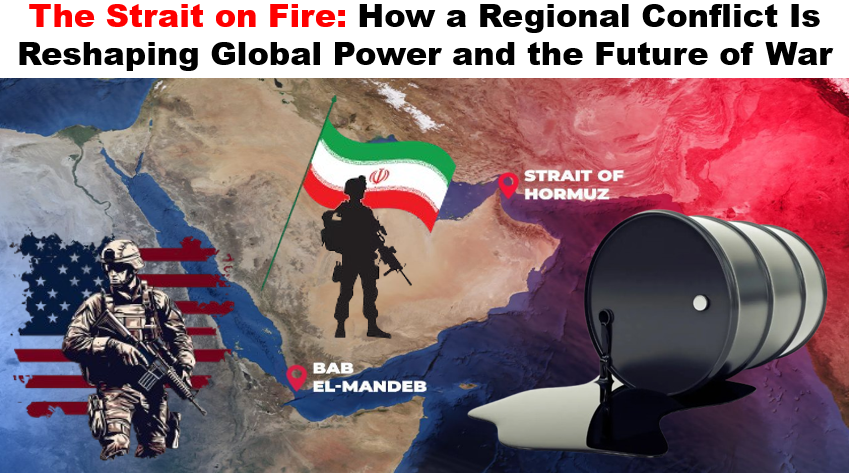
In that month, coordinated strikes by the United States and Israel targeted Iranian military and strategic infrastructure. These attacks were not symbolic—they represented a direct escalation into active warfare. Iran’s response was immediate and strategically calculated. Rather than responding only with conventional force, it leveraged one of the most critical chokepoints in the global economy: the Strait of Hormuz.
This narrow passage, connecting the Persian Gulf to global markets, is responsible for transporting roughly 20% of the world’s oil supply. By disrupting this route, Iran effectively shifted the battlefield from a regional military conflict to a global economic crisis.
Key developments in the early phase:
- U.S. and allied forces launched strikes in February 2026
- Iran responded by closing the Strait of Hormuz
- Oil transport through the region dropped sharply
- On March 19, the United States began military operations to reopen the passage
Despite the intensity of these developments, one key threshold remains uncrossed: a full-scale ground invasion of Iran.
War Without Invasion: The Shift Toward Hybrid Warfare
One of the defining features of this conflict is the absence of a large-scale ground invasion similar to the Iraq War in 2003. Instead, the United States has adopted a hybrid warfare strategy designed to achieve objectives without becoming entangled in a prolonged occupation.
This strategy combines multiple forms of military and strategic pressure, allowing flexibility while limiting immediate risks.
Current characteristics of the conflict:
- Sustained airstrikes targeting infrastructure
- Naval operations to secure shipping routes
- Deployment of additional troops to the region
- High readiness for rapid escalation
The presence of additional troops has raised speculation about a potential invasion. However, current indicators suggest that any ground action would likely be limited in scope.
Possible limited operations include:
- Seizing strategic islands such as Kharg Island
- Conducting amphibious assaults on coastal targets
- Neutralizing missile systems and naval threats
This reflects a broader transformation in modern warfare, where precision and control are often prioritized over occupation.
Military Capabilities: A Clash of Different Strategies
At first glance, the military balance between the United States and Iran appears heavily tilted in favor of the United States. However, the nature of the conflict makes the situation far more complex.
United States: Technological Superiority

The United States relies on advanced technology, global reach, and precision to achieve its objectives.
Key strengths:
- Advanced stealth aircraft and long-range bombers
- Aircraft carrier groups with global mobility
- Precision-guided missile systems
- Superior intelligence and surveillance capabilities
Operational approach:
- Intensive air campaigns
- Naval dominance in strategic waters
- Ability to strike critical infrastructure quickly
- Flexible escalation options
Strategic focus:
- Achieve rapid results through precision
- Avoid prolonged ground conflict
- Maintain control of escalation
Iran: Asymmetric Warfare and Strategic Geography
Iran does not attempt to match the United States in conventional strength. Instead, it relies on asymmetric tactics designed to offset its disadvantages.
Key strengths:
- Ballistic missile arsenal
- Advanced drone capabilities
- Geographic control of the Strait of Hormuz
- Regional allies and proxy networks
Operational approach:
- Attacks on ships and military bases
- Use of naval mines to disrupt traffic
- Indirect retaliation through allied groups
- Expansion of the conflict beyond a single front
Strategic focus:
- Prolong the conflict
- Increase economic and political costs
- Avoid decisive confrontation
This contrast defines the nature of the war: one side seeks quick and precise outcomes, while the other aims to stretch the conflict over time.
The Real Battlefield: Global Economic Impact
Although the conflict is military in nature, its most significant consequences are economic. The Strait of Hormuz is not just a regional passage—it is a critical component of the global energy system.
Energy Disruption
The closure or disruption of the strait has immediate global effects.
Key facts:
- Around 20% of global oil supply passes through the strait
- Traffic has dropped dramatically during peak tension
- Oil prices have risen from about $100 to $126 per barrel
Immediate consequences:
- Higher fuel prices worldwide
- Increased transportation costs
- Pressure on national economies
Wider Economic Effects
The impact extends beyond energy markets, affecting multiple sectors.
Affected areas:
- Shipping and maritime logistics
- Natural gas markets
- Fertilizer production
- Industrial metals
Key outcomes:
- Rising insurance costs for shipping
- Supply chain disruptions
- Increased prices across commodities
Many analysts are comparing this situation to the energy crises of the 1970s, when oil shocks triggered widespread inflation and economic instability.
Internal Reactions in the United States

The conflict is not only shaping global dynamics—it is also creating divisions within the United States.
Public Protests
Demonstrations have emerged in response to the war, reflecting public concern.
Main concerns:
- Risk of prolonged conflict
- Potential loss of life
- Economic impact
- Concerns about unilateral decision-making
These protests highlight the challenges of sustaining public support during uncertain and potentially costly conflicts.
Strained International Support
Another important factor is the limited level of international backing for the United States.
Key points:
- Some traditional allies declined direct military involvement
- International coalitions appear weaker than in past conflicts
- The United States faces partial diplomatic isolation
This complicates the strategic situation and may influence future decisions.
Possible Future Scenarios
The direction of the conflict remains uncertain, but three main scenarios stand out.
Diplomatic Resolution
- Continued negotiations
- Agreements to reopen the strait
- Gradual reduction in tensions
Controlled Escalation
- Ongoing air and naval operations
- Periodic increases in intensity
- Continued economic pressure
Full-Scale War
- Ground invasion or expanded operations
- Involvement of additional countries
- Severe disruption to global trade
Each scenario carries significant consequences, not only for the region but for the entire world.
Conclusion: A Conflict Defined by Economic Pressure
The 2026 conflict between the United States and Iran represents a shift in how wars are fought and understood. It is not defined solely by territorial gains or battlefield victories, but by economic disruption and strategic endurance.
Key takeaways:
- The conflict is already underway
- It is being fought through hybrid warfare
- The United States holds military superiority
- Iran has the ability to disrupt global systems
- The most significant impact is economic
Ultimately, the outcome may depend less on military success and more on how long the global economy can absorb the pressure.
The Strait of Hormuz is no longer just a geographic location. It has become the focal point of a conflict that could reshape global power dynamics and redefine the limits of modern warfare.