Introduction
In late February 2026, a major military confrontation unfolded in the Middle East involving the United States and Israel on one side and the Islamic Republic of Iran on the other. What began as a coordinated series of attacks quickly escalated into one of the most consequential events in recent Middle Eastern history. Among the key developments was the confirmed death of Iran’s Supreme Leader, Ayatollah Ali Khamenei, a figure who had dominated Iranian politics for decades. The operation, its targets, its consequences, and the resulting shifts in leadership and public reaction have reshaped regional dynamics.
This article aims to explain, in accessible language and structured detail, the sequence of events, the objectives of the operation, the key locations struck, the casualties, the leadership transition in Iran, and the broader consequences for the Iranian people and global politics.
1 Background: Growing Tensions Before the Operation
The Middle East has long been a region of geopolitical competition, with Iran, Israel, and the United States playing central roles in its complex dynamics. Prior to this latest escalation, tensions between Iran and Western-aligned nations had been rising for several years, influenced by disagreements over Iran’s nuclear ambitions, its support for proxy groups in neighboring countries, and repeated sanctions targeting its economy.
Iran’s leadership, particularly the office of the Supreme Leader, held major influence over military, political, and religious institutions. Ayatollah Ali Khamenei had been Iran’s supreme leader since 1989, maintaining control over domestic and foreign policies. At 86 years old in 2026, he had weathered decades of diplomatic disputes and international pressure.
In the months leading up to the strikes, diplomatic talks concerning nuclear programs and military deterrence broke down. The United States and Israel expressed growing concern about what they described as unacceptable threats to their security and that of their allies. These tensions contributed to the decision to pursue what was publicly announced as a “precision military operation” against strategic Iranian targets.
2 The Joint U.S.–Israel Military Operation
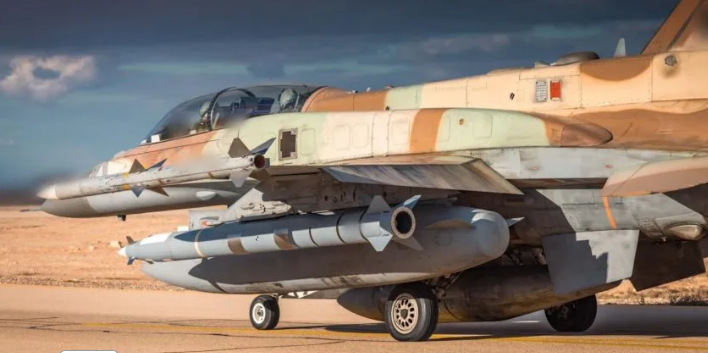
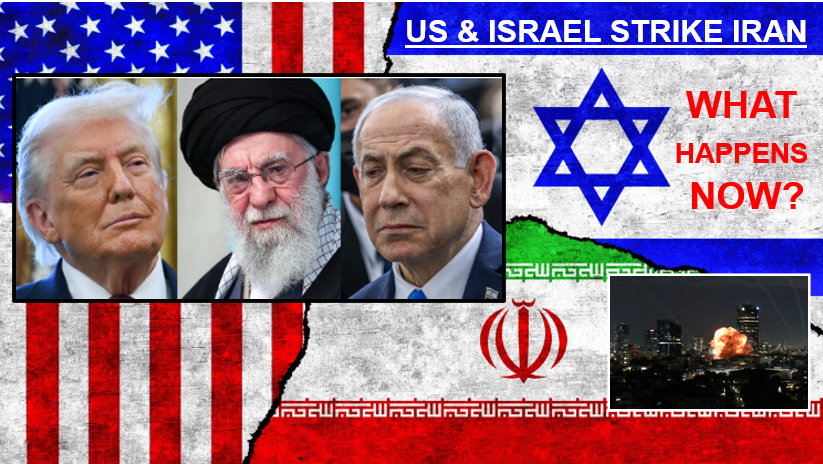
On February 28, 2026, the United States and Israel launched a coordinated military attack on Iran. This operation involved:
- Hundreds of air sorties and missile strikes
- Long-range cruise missiles
- Intelligence-supported precision targeting
The operation was labeled by U.S. and Israeli officials as an effort to degrade Iran’s military infrastructure and disrupt activities they considered threats to regional stability. Reports indicate that over 500 strategic sites across Iran were targeted, including missile installations, command and control centers, and key leadership locations in Tehran.
2.1 Objectives of the Operation
The primary stated objectives of the military action included:
- Disabling Iran’s missile capacity: According to statements from U.S. defense officials, degrading the missile threat was a key goal to protect allied nations in the region.
- Limiting Iran’s regional influence: Iran’s support for proxy groups and militias across the Middle East was cited as a concern by U.S. and Israeli officials.
- Targeting leadership nodes: Advanced intelligence reportedly identified gatherings of high-ranking Iranian officials, leading to targeted airstrikes near Tehran.
2.2 The Precision Strike on Leadership
One of the most consequential aspects of the operation was the targeted strike on the compound associated with Supreme Leader Ayatollah Ali Khamenei. Multiple international sources, including Iranian state media and independent reporting, confirmed that the supreme leader was killed in the attack.
Iranian authorities later reported that Khamenei died at his office in Tehran on February 28, and the government declared a period of official mourning lasting 40 days. The loss of such a senior figure was unprecedented in modern Iranian history and sent shockwaves through domestic politics, the region, and around the world.
2.3 Other Key Targets and Casualties
The operation did not stop at the supreme leader’s compound. Reports indicate that several high-ranking Iranian military and security officials were also killed, including commanders of the Islamic Revolutionary Guard Corps and other defense leaders.
Official casualty reports vary, but some Iranian health authorities and independent monitors suggested that over 200 Iranian civilians had been killed across multiple provinces during the initial attacks, with hundreds more wounded.
3 Immediate Iranian Response
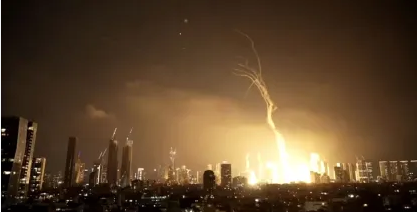
Iran responded rapidly and decisively to the strikes:
3.1 Retaliatory Military Actions
Within hours of the U.S.–Israel attacks, Iran launched missile and drone strikes against several targets in the region, including:
- Israeli territory
- American military bases in neighboring Gulf states
- Allied nations’ installations
These counterattacks resulted in reports of casualties, infrastructure damage, and expanded regional military alerts.
3.2 Internal Measures and Public Mourning
As the Iranian government confirmed the death of its supreme leader, authorities declared a national period of mourning. State media reported nationwide ceremonies and official observances.
At the same time, there were reports of civilian reactions ranging from grief to protests, varying across cities and regions. Some citizens expressed deep sorrow at the loss of their leader, while others voiced frustration with the government’s policies or criticized the escalation in conflict.
4 Leadership Transition in Iran
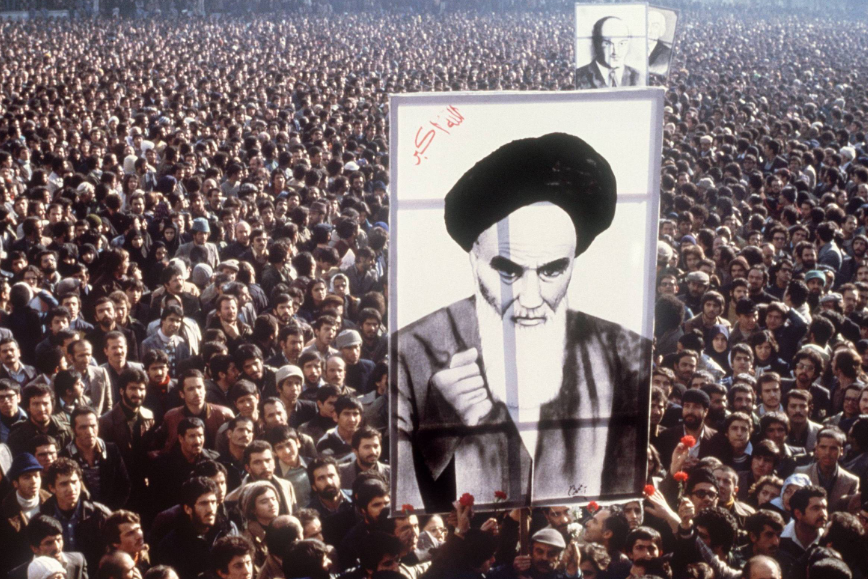
The death of a supreme leader raised immediate questions about who would take the reins of power in Iran.
4.1 Interim Leadership Arrangements
Following Khamenei’s death, Iranian state media reported that a temporary transitional council was established to oversee day-to-day governance and guide the country through the succession process. This council comprised top political and judicial leaders, including the President and other senior officials.
This interim leadership structure was seen as a way to maintain stability while the country determined a permanent successor under the constitutional and religious framework that guides Iranian leadership.
4.2 Potential Successors
Before the strike, the CIA and international analysts had reportedly assessed potential successors in the event of Khamenei’s death. These assessments focused on senior clerics and political figures who might be selected by Iran’s Assembly of Experts, a clerical body with authority to appoint the next Supreme Leader.
At the time of writing, Iran’s leadership transition process was ongoing, with speculation about who would emerge as the new Supreme Leader. Iran’s system blends religious authority with political power, making the selection dependent on internal consensus among high-ranking clerics and political elites.
5 International Reactions and Geopolitical Fallout
The U.S.–Israel operation and Iran’s subsequent response triggered a wave of international reactions.
5.1 Regional Governments and Allies
Governments across the Middle East and beyond expressed concern about the escalation. Some nations called for restraint and diplomatic dialogue, while others offered direct support to either side of the conflict. Oil markets reacted as well, given the importance of the Persian Gulf for global energy supplies.
5.2 United Nations and Global Voices
International organizations, including the United Nations, urged an immediate cease-fire and de-escalation, calling attention to the humanitarian consequences of the conflict. Statements highlighted the risks to civilians and emphasized the need for negotiation and peaceful solutions.
6 Humanitarian and Economic Impact
Beyond the immediate military and political implications, the conflict had wider effects:
6.1 Civilian Costs
Reports of civilian casualties in Iran and in neighboring regions highlighted the toll of modern military conflict on non-combatants. Hospitals treated hundreds of wounded individuals, and many families faced loss and disruption.
6.2 Disruption to Daily Life
Infrastructure damage, displacement of families, and national mourning significantly impacted everyday life in cities across Iran. The temporary closure of schools, workplaces, and markets reflected the national state of crisis.
6.3 Global Economic Shocks
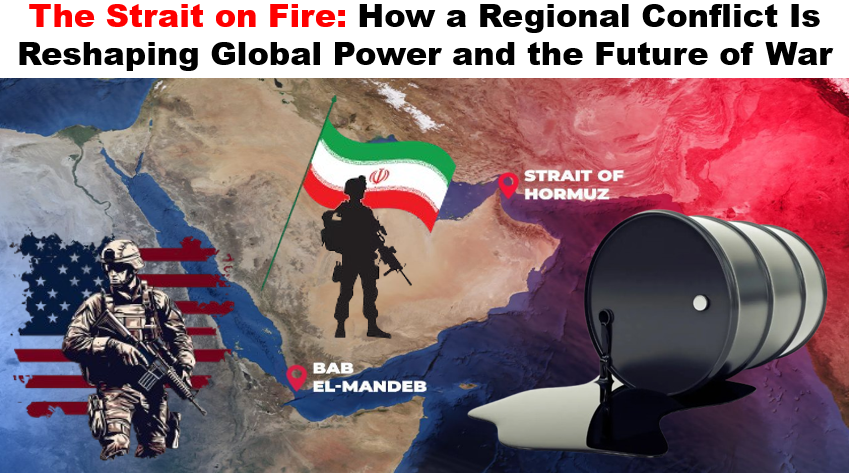
Because the Persian Gulf region plays a crucial role in global oil transport, disruptions around the Strait of Hormuz raised concerns about energy supply and price stability. Several nations adjusted production plans, and markets responded to the uncertainty.
7 Looking Ahead: Possible Next Steps
7.1 Diplomatic Efforts
Despite the military escalation, some world leaders emphasized the importance of returning to diplomatic negotiations to prevent further conflict. Talks through regional alliances and international mediators were being proposed as means to achieve at least a temporary cease-fire.
7.2 Continued Military Operations
While some officials in the United States and Israel described the initial operation as successful in degrading specific threats, there was also acknowledgment that further military actions could occur if tensions remained unresolved. Defense leaders framed this campaign as part of a broader long-term effort to mitigate risks posed by Iran’s strategic programs.
7.3 Iranian National Dynamics
Internally, Iran faced the challenge of national unity after a period of leadership transition. Political factions, military leaders, and public opinion all played roles in shaping how the country would navigate its next chapter, balancing national pride with the practical need for stability.
Conclusion
The joint military operation conducted by the United States and Israel in early 2026 marked a critical juncture in Middle Eastern and global geopolitics. The confirmed death of Iran’s Supreme Leader Ayatollah Ali Khamenei — an event without precedent in recent decades — created ripple effects across diplomatic, military, social, and economic spheres. Leadership transitions in Iran, humanitarian concerns, international diplomacy, and the broader strategic landscape continue to evolve in the wake of these events.
Understanding this complex situation requires attention to the causes, the human costs, the stated objectives of involved governments, and the uncertain path forward. While the immediate violence may have slowed in specific areas, long-term responses and negotiations will shape the region’s future for years to come.