
The United States’ “Good Neighbor” Policy: How the Great Depression Reshaped Latin America and Inter-American Relations
The 1930s represented one of the most turbulent decades in modern global history. Economic collapse, political instability, and ideological conflict reshaped nations across the world. At the center of these transformations stood the Great Depression, triggered by the 1929 Wall Street Crash, which profoundly affected not only the United States but also Latin America, a region deeply dependent on U.S. trade and investment.
In response to this unprecedented crisis and the growing threat of authoritarian ideologies spreading across Europe and beyond, the United States—under President Franklin D. Roosevelt—adopted a new diplomatic approach toward Latin America known as the “Good Neighbor” Policy. This strategy sought to replace military intervention and coercion with cooperation, diplomacy, and economic partnership.
This article explores how the Great Depression impacted Latin American economies, the origins and objectives of the Good Neighbor Policy, its successes and limitations, and its long-lasting consequences for U.S.–Latin American relations.
1. The Great Depression and Its Global Economic Shockwaves
1.1 The 1929 Wall Street Crash and the Collapse of Global Trade
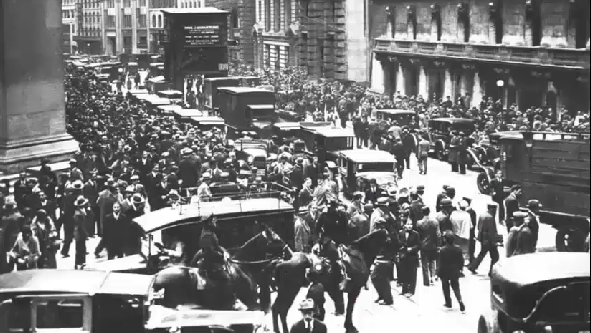
In October 1929, the collapse of the New York Stock Exchange marked the beginning of the worst economic downturn of the 20th century. What initially appeared to be a financial crisis in the United States quickly evolved into a global economic catastrophe.
The U.S. economy, which had functioned as a central pillar of international trade and finance, entered a deep recession. Banks failed, industries shut down, and millions lost their jobs. As the United States reduced imports and foreign investments, countries that depended heavily on the American market were immediately affected.
1.2 Latin America’s Economic Vulnerability
Latin American economies in the early 20th century were largely export-oriented, relying on the sale of raw materials such as coffee, sugar, oil, copper, tin, and agricultural products to industrialized nations—especially the United States.
When U.S. demand collapsed, Latin American exports declined dramatically. In some countries, export revenues fell by up to 40–50%, triggering:
-
Severe trade imbalances
-
Currency devaluations
-
Rising unemployment
-
Widespread poverty
This economic vulnerability exposed the structural weaknesses of Latin American development models, which depended heavily on foreign markets and investment.
2. Social and Political Consequences of the Economic Crisis
2.1 Rising Unemployment and Social Unrest
The economic downturn led to factory closures, declining agricultural production, and massive layoffs. Urban workers and rural laborers alike faced worsening living conditions. As food prices rose and wages fell, popular discontent intensified across the region.
Strikes, protests, and labor movements became increasingly common, placing immense pressure on governments that lacked the resources or political stability to respond effectively.
2.2 Political Instability and the Weakening of Democratic Institutions
Many Latin American governments struggled to maintain democratic rule during the crisis. Economic hardship undermined public confidence in liberal institutions, paving the way for:
-
Military coups
-
Suspension of constitutions
-
Concentration of executive power
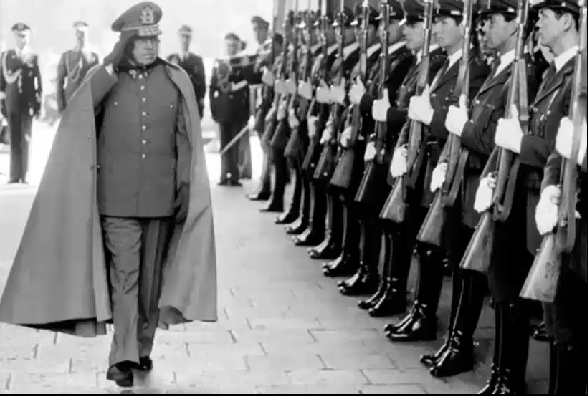
In several countries, political elites and military leaders justified authoritarian rule as a necessary response to economic chaos.
3. The Origins of the “Good Neighbor” Policy
3.1 A Shift in U.S. Foreign Policy
Before the 1930s, U.S. relations with Latin America were often characterized by direct intervention, military occupations, and economic dominance. The United States intervened in countries such as:
-
Cuba
-
Nicaragua
-
Haiti
-
Panama
-
Dominican Republic
These actions generated resentment and anti-American sentiment throughout the region.
When Franklin D. Roosevelt assumed the presidency in 1933, he recognized that continued interventionism threatened U.S. influence and regional stability—especially during a time of global ideological competition.
3.2 Goals of the Good Neighbor Policy
The Good Neighbor Policy was built on several core principles:
-
Respect for national sovereignty
-
Non-intervention in domestic affairs
-
Diplomatic cooperation
-
Economic partnership
Roosevelt believed that fostering goodwill would strengthen hemispheric unity and protect the Western Hemisphere from external threats, particularly fascism and communism emerging in Europe.
4. Economic Cooperation Under the Good Neighbor Policy
4.1 Restoring Trade and Investment
One of the central objectives of the Good Neighbor Policy was to revive economic ties between the United States and Latin America. To achieve this, the U.S. government:
-
Negotiated bilateral trade agreements
-
Reduced tariffs on Latin American goods
-
Encouraged private investment
These measures helped stabilize export revenues and gradually restore economic confidence.
4.2 Financial Assistance and Infrastructure Development
The United States also supported infrastructure projects in Latin America, including:
-
Transportation networks
-
Energy production
-
Industrial facilities
Although limited by the constraints of the Great Depression, these initiatives signaled a departure from coercive economic practices and reinforced the image of partnership rather than domination.
📌 Image suggestion:
Historic photo of infrastructure projects or trade agreements.
Best placement: After this subsection.
5. The Rise of Authoritarian Governments in Latin America
5.1 State Intervention and Economic Nationalism
In response to the crisis, many Latin American governments adopted strong state intervention in the economy. This included:
-
Nationalization of key industries
-
Import-substitution industrialization (ISI)
-
Expansion of state-owned enterprises
Leaders argued that reducing dependence on foreign markets was essential for economic sovereignty.
5.2 Case Studies: Bolivia, Argentina, and Venezuela
-
Bolivia: Under Germán Busch, the government nationalized resources and expanded state control.
-
Argentina: The economic crisis laid the groundwork for Juan Domingo Perón’s later rise, promoting industrialization and labor rights.
-
Venezuela: López Contreras strengthened state authority while maintaining cautious cooperation with the United States.
While some policies stimulated growth, many regimes relied on authoritarian practices, including censorship and political repression.
6. Ideological Competition and U.S. Strategic Concerns
6.1 Fear of Fascism and Communism
During the 1930s, the rise of Nazi Germany, Fascist Italy, and the Soviet Union alarmed U.S. policymakers. Roosevelt feared that economic instability could push Latin American countries toward authoritarian ideologies hostile to U.S. interests.
The Good Neighbor Policy was therefore also a strategic defense mechanism, designed to ensure ideological alignment and regional security.
6.2 Cultural Diplomacy and Soft Power
Beyond economics, the United States promoted cultural exchange through:
-
Educational programs
-
Media and cinema
-
Pan-American conferences
These efforts aimed to strengthen shared values and foster mutual understanding.
7. The Mexican Oil Expropriation: A Turning Point
In 1938, Mexican President Lázaro Cárdenas nationalized the country’s oil industry, expropriating assets owned by foreign companies, including U.S. firms.
Unlike previous administrations, Roosevelt chose diplomacy over confrontation, negotiating compensation rather than using force. This response became a defining example of the Good Neighbor Policy in action and significantly improved U.S.–Mexican relations.
8. The Limits of the Good Neighbor Policy: The Cuban Case
8.1 Batista’s Regime and Growing Opposition
In Cuba, the Good Neighbor Policy had limited success. Although the United States reduced direct intervention, it continued to support Fulgencio Batista, whose authoritarian rule fueled public resentment.
8.2 The Cuban Revolution and Policy Failure
In 1959, Fidel Castro overthrew Batista and established a communist government openly hostile to the United States. This event demonstrated the limitations of the Good Neighbor Policy, proving that diplomacy alone could not always prevent radical political change.
9. Long-Term Legacy of the Good Neighbor Policy
9.1 Achievements and Positive Outcomes
-
Improved diplomatic relations
-
Reduced military interventions
-
Strengthened hemispheric cooperation during World War II
9.2 Enduring Challenges and Contradictions
Despite its successes, the policy did not eliminate inequality, authoritarianism, or anti-American sentiment. Many structural economic problems persisted, shaping Latin America’s political trajectory for decades.
10. Conclusion: Why the Good Neighbor Policy Still Matters
The United States’ Good Neighbor Policy marked a significant transformation in inter-American relations. Born out of economic crisis and global uncertainty, it replaced coercion with cooperation and redefined U.S. diplomacy in the Western Hemisphere.
While imperfect and limited in scope, the policy set important precedents for mutual respect and dialogue. Understanding this period is essential for grasping the historical roots of contemporary U.S.–Latin American relations and the enduring challenges of economic dependence, political instability, and ideological conflict.