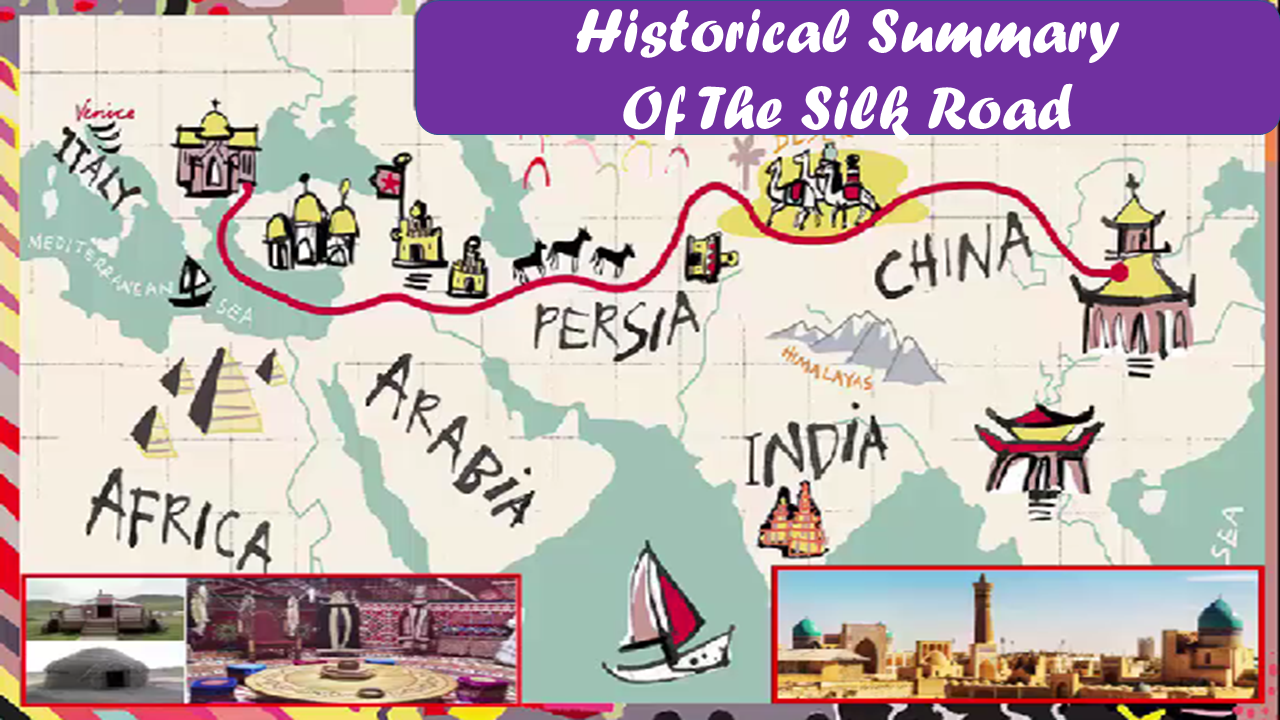
The commercial exchange between the East and the West has a fascinating historical origin, rooted in the famous Silk Road. It is believed that trade between these two cultures began around 1138 BC, with the creation of a network of routes by the Chinese Empire, particularly under the leadership of Emperor Wan UTI. This historical milestone not only solidified the trade route but also helped establish one of the most important cultural exchanges in the history of mankind.
The Origin of the Silk Road and the Chinese Empire
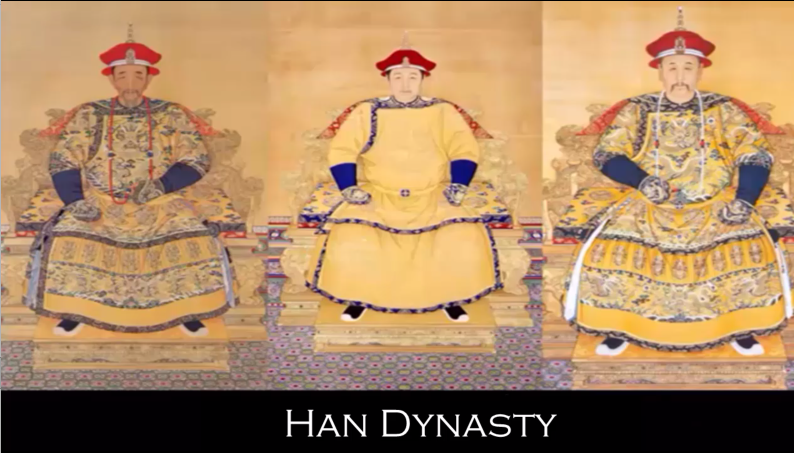
The Chinese Empire, under the leadership of Emperor Wan UTI, was a pioneer in building a network of roads and routes that would facilitate the transport of its main wealth at the time: silk. Silk, considered a luxury product, began to be exported to both the East and the West, establishing a key commercial exchange between civilizations. China, with its rich manufacturing tradition, became a center for silk production, a product that would become synonymous with luxury and prestige in various parts of the world.
Silk as a Luxury Product
Chinese silk was highly valued by Western peoples, especially the Roman Empire. The Romans, in particular, were fascinated by the smoothness and durability of the silk, which led many Roman merchants to travel to China to obtain this coveted fabric. The trade of silk was thus one of the first forms of contact between the East, represented by China, and the West, represented by Rome.
However, the secret of silk production was carefully guarded by the Chinese, who prohibited any foreigner from learning how the fabric was made. Those who tried to reveal this secret could be severely punished, even with the death penalty. This protection of industrial secrets helped maintain China’s monopoly on silk for centuries.
The Silk Road: A Path of Cultural and Commercial Exchange
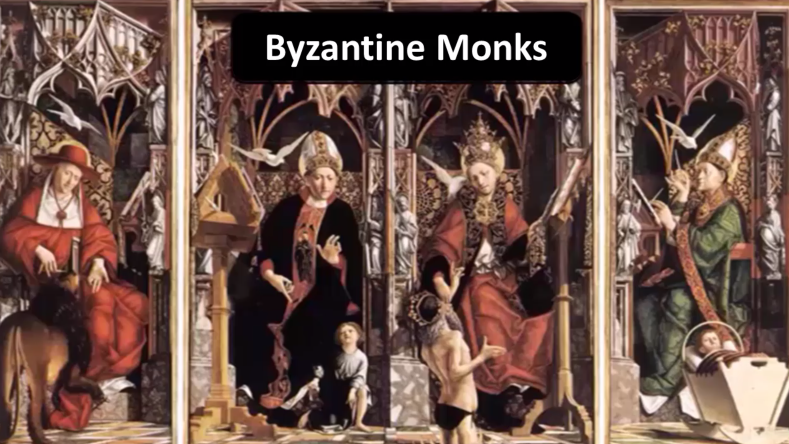
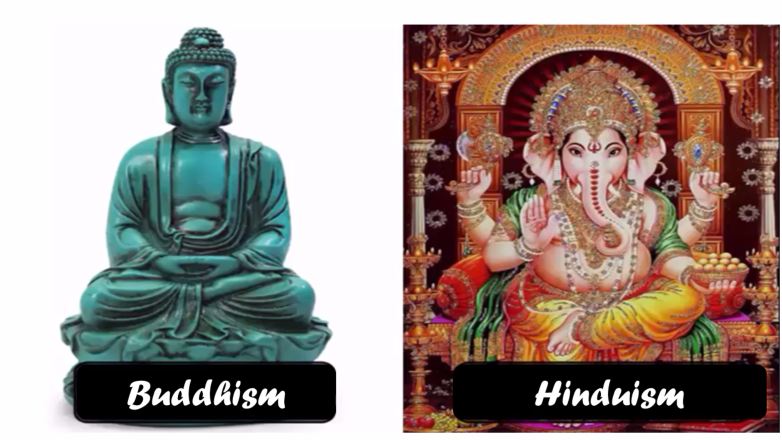
The Silk Road was not just a route for the trade of goods but also an important means of cultural exchange between different regions of the world. Along the various routes that made up the Silk Road network, different civilizations interacted, and with that, new ideas and cultures were shared. Buddhism, Hinduism, and Christianity, for example, spread to various parts of Asia and Europe along the Silk Road, forever changing the religious and cultural landscape of these regions.
In addition to the exchange of religious and cultural ideas, the trade routes allowed the circulation of products that were not available in certain areas. The East, for example, exported spices, porcelains, and fine fabrics, while the West sent gold, silver, wines, and other valuable products. These exchanges were crucial to the economic development of various civilizations.
The Economic Impact of the Silk Road
The Silk Road had a significant impact on the economies of all the countries involved. For China, the route was a way to ensure the prosperity of the empire, while also creating a network of cultural and commercial influences. In the West, access to silk and other exotic products brought new business opportunities and enriched the upper classes of society.
Over the centuries, trade along the Silk Road expanded beyond the Roman and Chinese empires, encompassing other empires such as the Persian and Byzantine empires. The land and maritime routes connected a vast network of cities and markets, creating a true global commercial empire. This system of trade was one of the largest networks of exchange in history.
The Silk Road and the Plagues
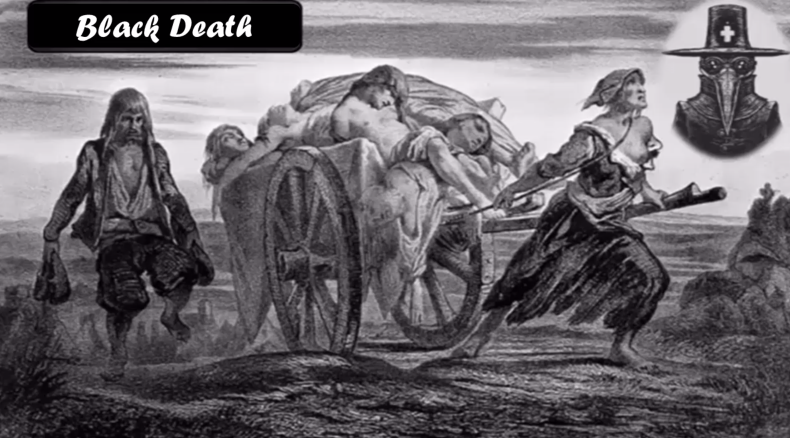
Although the Silk Road was responsible for numerous commercial and cultural exchanges, it also played a key role in the spread of diseases. The most famous of these was the Black Death, which devastated Europe in the 14th century, killing millions of people. It is believed that the Black Death spread along the Silk Road, transported by merchants and troops traveling through these routes. Additionally, other diseases such as smallpox and the bubonic plague were also spread through this trade network.
Diseases were not the only negative consequence of cultural and commercial exchanges along the Silk Road, but they undoubtedly had a devastating impact on the European population, altering the social and economic structure of the continent for many years.
The Enduring Legacy of the Silk Road
Although the Silk Road was interrupted several times throughout history, its enduring impact is still visible today. The connection between the East and the West was not just a commercial exchange, but also a fusion of cultures, religions, and philosophies that continue to influence the modern world. The exchange of products such as silk, spices, and porcelains still resonates in many contemporary trade exchanges.
Furthermore, the legacy of the Silk Road is also evident in the various modern trade routes, which follow the same paths from centuries ago, connecting countries and continents. The idea of a global trade network and the exchange of ideas that began with the Silk Road has transformed into the modern international trade networks we see today.
The Meeting of Two Civilizations
What began as a simple exchange of goods evolved into one of the greatest cultural encounters in history. The Silk Road was more than just a road for silk – it was a road for understanding, for dialogue between different cultures, and for building bridges between the East and the West. It allowed civilizations to share not only goods but also their traditions, philosophies, and knowledge.
The meeting between these two very different civilizations left an immense cultural legacy, and the Silk Road remains a symbol of how trade can transcend borders, unite people, and influence history in profound and lasting ways.
Conclusion: The Silk Road in the Modern World
Today, we can look back and see how the Silk Road was one of the greatest catalysts for global exchange, shaping the world as we know it. With its exchanges of goods, ideas, and cultures, the Silk Road connected civilizations and formed bonds that last to this day. The history of this trade network is a testament to how trade can go beyond the exchange of material goods, bringing with it the exchange of knowledge and experiences that helped shape the modern world.
If you’re interested in the history of commercial and cultural exchanges, the Silk Road offers a fascinating glimpse into how civilizations connected and grew together, exchanging not only goods but also knowledge and experiences that helped shape the modern world.