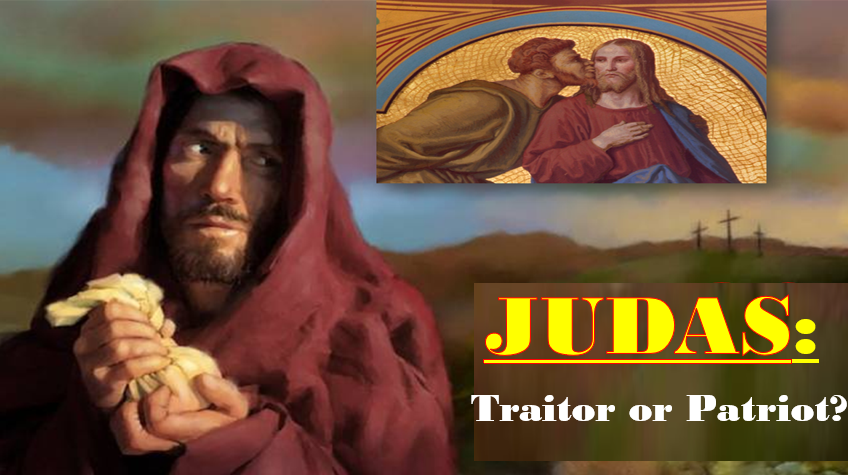
Judas: Traitor or Patriot? The Untold Historical Context Behind the Most Controversial Betrayal in Christian History
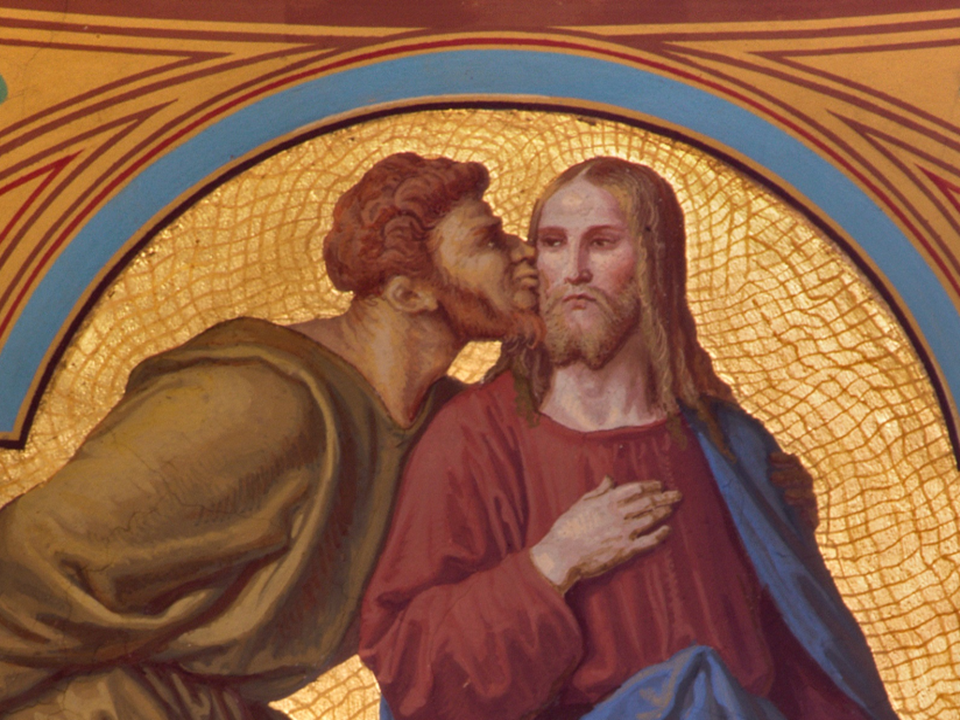
When we hear the name Judas, betrayal is the first word that echoes in our minds. For centuries, Judas Iscariot has been remembered as the disciple who handed over Jesus Christ for thirty pieces of silver. His name has become synonymous with treachery.
But what if the story is more complex?
What if the betrayal of Judas cannot be understood without examining the intense political, religious, and social turmoil of first-century Judea? Could Judas have believed he was acting in defense of his nation? Was he merely greedy—or was he a disappointed revolutionary?
This article explores the historical context of Judas Iscariot, the Roman domination of Israel, the rise of nationalist movements like the Zealots, and the political expectations surrounding the Messiah. Without contradicting Scripture, we will examine whether Judas was simply a traitor—or a misguided patriot shaped by his time.
The Roman Domination of Israel: A Nation Under Occupation
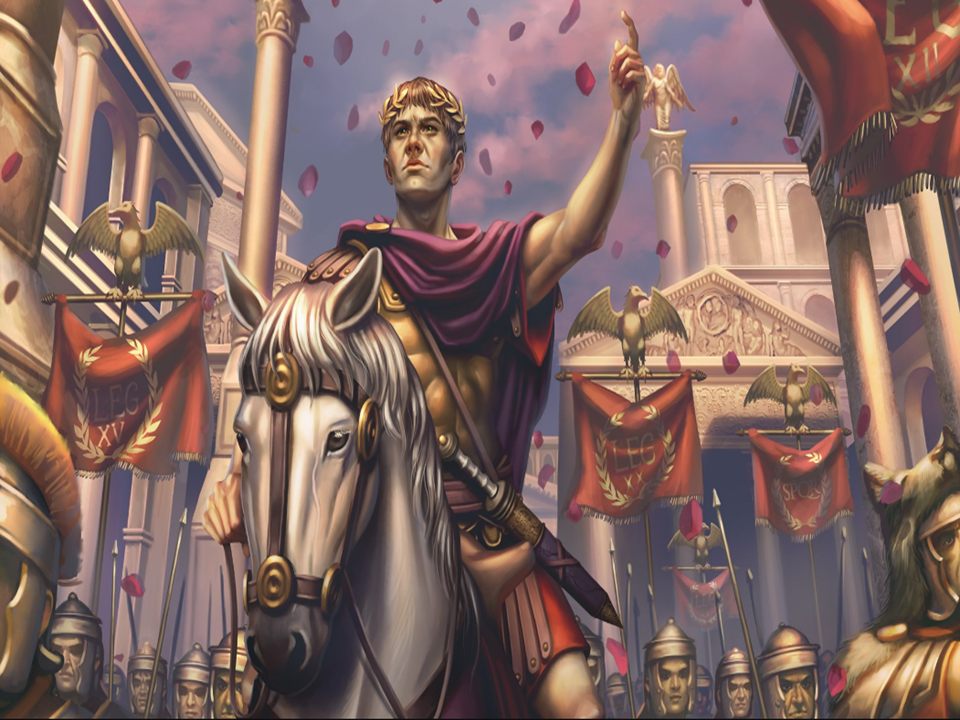
To understand Judas, we must first understand his world.
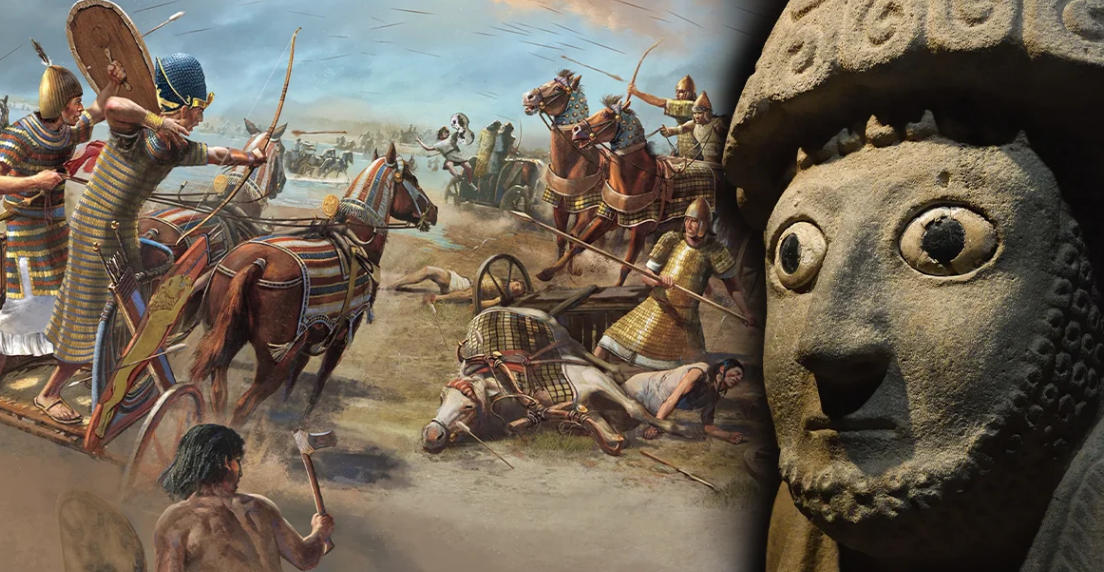
In the first century, Judea was under the control of the mighty Roman Empire. Rome was the global superpower of the era, expanding its territories through military force and maintaining control through governors, taxation, and military presence.
For the Jewish people, Roman rule was deeply humiliating. Israel had a strong identity rooted in divine covenant, ancestral land, and religious law. Foreign domination was not merely political—it was spiritual and cultural oppression.
Roman control manifested in several ways:
- Heavy taxation that burdened the poor
- Roman soldiers stationed in Jerusalem
- Pagan symbols imposed in Jewish spaces
- Political interference in religious leadership
One notable act of resistance occurred when Jewish citizens destroyed a Roman eagle statue placed at the Temple—an open symbol of imperial authority. Such tensions reveal the explosive atmosphere in which Jesus and His disciples lived.
Israel was not at peace. It was waiting for liberation.
Messianic Expectations: A Warrior King, Not a Suffering Servant
Many Jews believed that God would send a Messiah—a chosen leader who would restore Israel’s independence. But expectations about this Messiah were often political and military.
They were not waiting for a teacher preaching forgiveness.
They were waiting for a king with a sword.
This expectation was deeply connected to memories of heroes like King David, who defeated enemies and established Israel’s sovereignty. During times of oppression, hope for a warrior Messiah intensified.
When Jesus entered Jerusalem during Passover—the festival commemorating liberation from Egyptian slavery—the symbolism was powerful. Crowds welcomed Him as a king. The atmosphere was charged with nationalistic hope.
For some, including Judas, this moment may have felt like the beginning of revolution.
Who Were the Zealots? The Revolutionary Movement
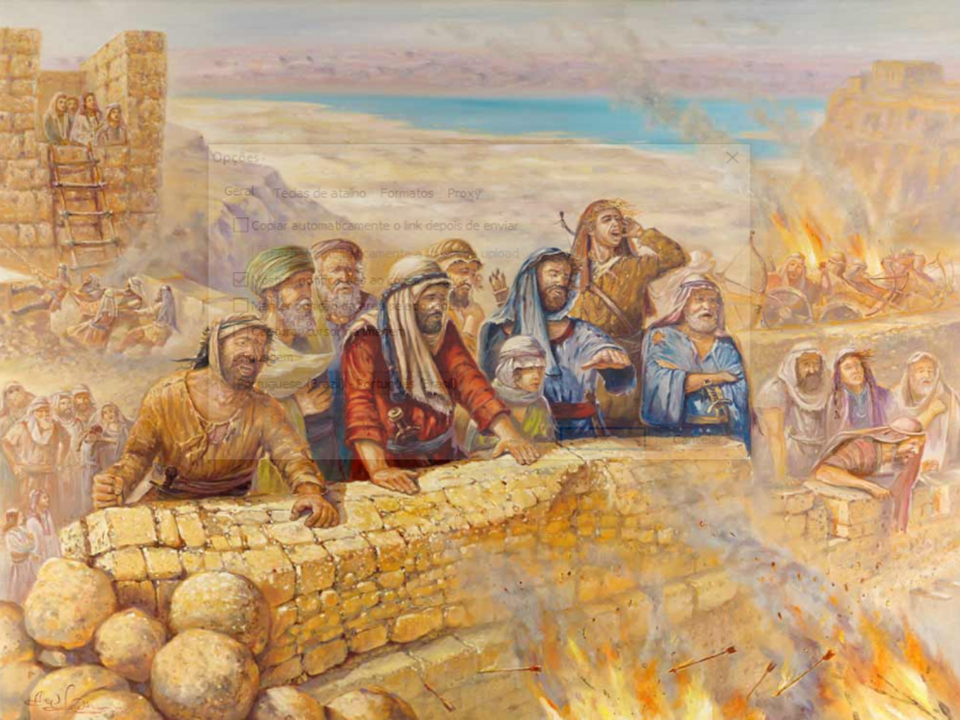
To grasp Judas’s possible motivations, we must examine the Zealots.
The Zealots were a radical Jewish nationalist movement that believed only God should rule Israel. They rejected Roman authority completely and advocated armed resistance. Some were even willing to die in violent rebellion.
Historians describe them as:
- Fiercely patriotic
- Religiously motivated
- Anti-Roman
- Willing to use force
Judas Iscariot is sometimes associated with this movement. While not definitively proven, some scholars suggest that his surname “Iscariot” may indicate a connection to militant groups.
If Judas was influenced by Zealot ideology, it changes how we interpret his actions.
Perhaps he did not see Jesus primarily as a spiritual savior.
Perhaps he saw Him as Israel’s last political hope.
Jesus’ Words: Misunderstood or Revolutionary?
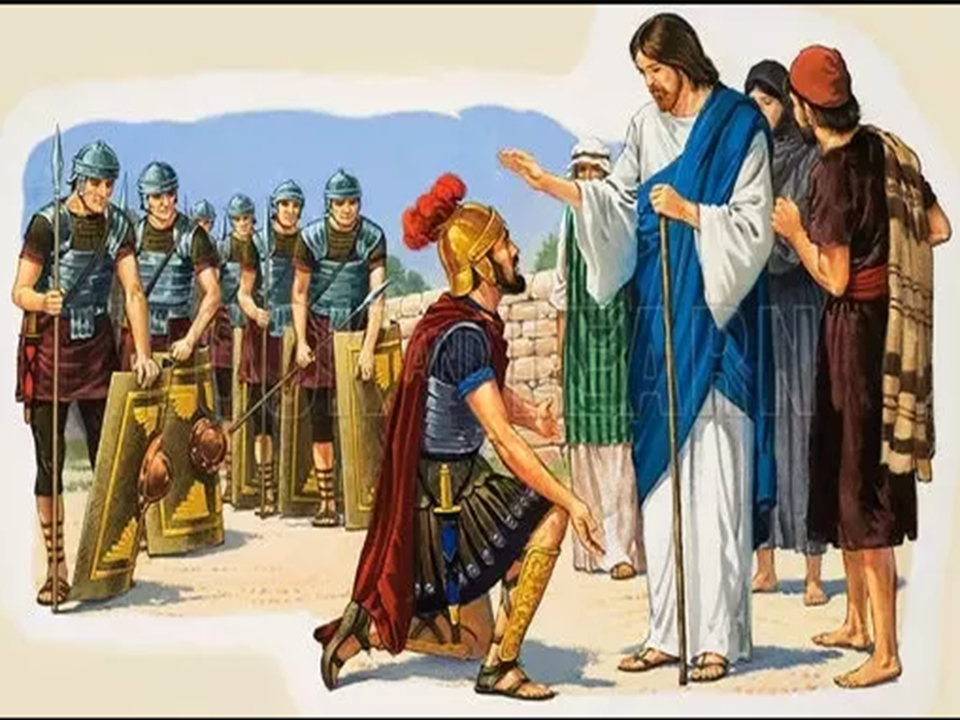
Several statements by Jesus could have been interpreted politically:
“Do not think that I came to bring peace to the earth. I did not come to bring peace, but a sword.” (Matthew 10:34)
“If you don’t have a sword, sell your cloak and buy one.” (Luke 22:36)
To modern readers, these verses are often understood metaphorically or contextually. But in a climate of oppression and revolution, such words could easily be interpreted as preparation for conflict.
Add to this Jesus’ dramatic cleansing of the Temple—overturning money tables and driving out merchants—and the image becomes even more provocative. Publicly confronting religious authorities in Jerusalem during Passover was not a small gesture. It was bold, symbolic, and confrontational.
For a nationalist like Judas, these acts may have confirmed a belief:
The revolution had begun.
The Turning Point: Arrest Instead of Uprising
But then came the shock.
When temple guards arrested Jesus, there was no resistance. No call to arms. No uprising from the crowds He once commanded.
Before the Roman governor Pontius Pilate, Jesus remained largely silent. He did not defend Himself politically. He did not organize rebellion.
And then came the defining statement:
“My kingdom is not of this world.”
This was the moment everything changed.
If Judas had believed Jesus would overthrow Rome, this declaration would have shattered his expectations. The Messiah was not launching a revolution. He was surrendering to crucifixion.
For a nationalist mindset, this was not victory—it was failure.
The Thirty Pieces of Silver: Greed or Catalyst?
The Gospel accounts state that Judas received thirty pieces of silver. Traditionally, this is viewed as proof of greed.
But the amount itself was not enormous. It was the price of a slave. Would a man abandon his master and risk eternal infamy for such a modest sum?
Some historians argue that money may not have been the primary motive. It could have been:
- A symbolic transaction
- A desperate attempt to force Jesus’ hand
- A way to push Him into revealing divine power
In this interpretation, Judas may have believed that by handing Jesus over, he would compel Him to act—to call angels, to ignite rebellion, to reveal messianic authority.
Instead, Jesus accepted arrest.
Guilt and Tragedy: The Collapse of Expectation
The aftermath reveals something crucial: Judas felt remorse.
According to Scripture, he returned the silver and confessed his wrongdoing. Overcome with guilt, he took his own life.
This does not resemble the behavior of a cold-hearted traitor celebrating political success. It resembles the collapse of a man whose expectations—and perhaps his ideology—had crumbled.
If Judas had acted purely out of greed, why the regret?
His remorse suggests that he misunderstood Jesus rather than intentionally opposing Him.
A Patriot Misguided by Politics?
So was Judas a patriot?
In one sense, he may have loved his nation deeply. Like many Jews of his time, he longed for freedom from Rome. He may have believed that aligning with a powerful leader was the path to liberation.
But his vision of salvation was political.
Jesus’ mission was spiritual.
Judas expected a throne in Jerusalem.
Jesus carried a cross to Golgotha.
The tragedy of Judas may lie not in pure evil—but in misplaced expectations.
The Broader Historical Impact
The destruction of Jerusalem in 70 AD by Roman forces proved how intense nationalist resistance became. The Zealots ultimately led a revolt that ended in catastrophe.
Jesus’ refusal to lead a military uprising stands in sharp contrast to these events. His kingdom was not built on swords, but on transformation of the human heart.
Ironically, the spiritual movement He founded would outlast the Roman Empire itself.
Why This Question Still Matters Today
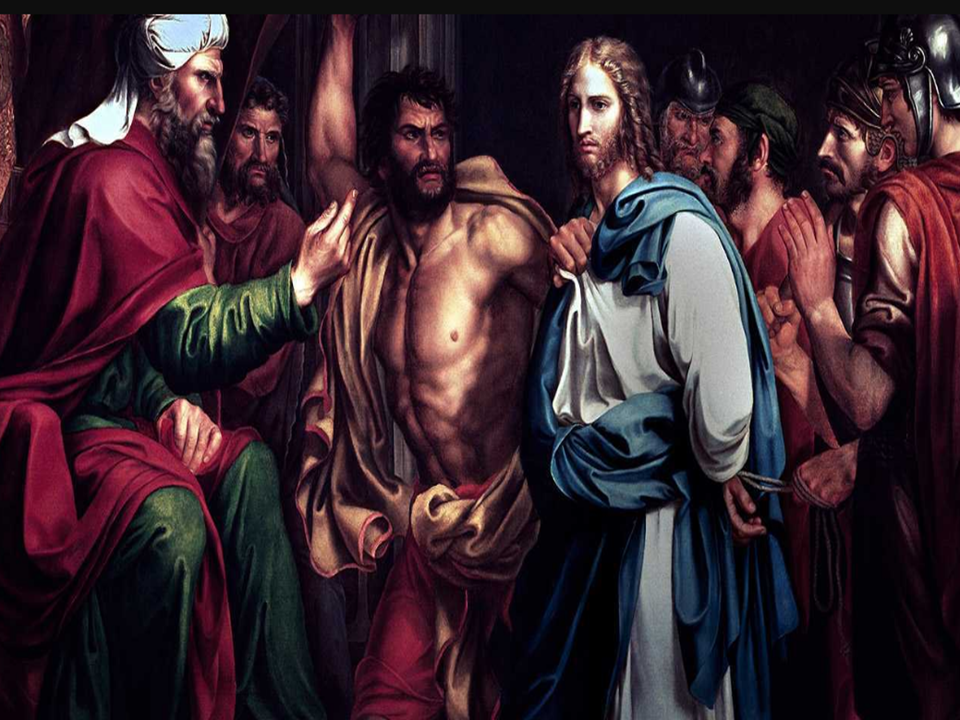
The story of Judas continues to fascinate historians, theologians, and believers because it touches on universal themes:
- The danger of ideological extremism
- The tension between political power and spiritual mission
- The risk of projecting our expectations onto leaders
- The tragedy of misunderstanding purpose
In every generation, people look for saviors who will solve political problems. The story of Judas reminds us how easily expectations can distort reality.
Judas in Christian Theology
Christian doctrine ultimately affirms that Judas’ betrayal fulfilled prophecy and was part of a divine plan. The crucifixion was not an accident of politics—it was central to the mission of salvation.
However, examining historical context does not weaken faith. It strengthens understanding. It reveals that biblical events occurred in real political environments filled with tension, hope, and human complexity.
Judas was not a cartoon villain. He was a man living in turbulent times.
Final Reflection: Betrayer or Tragic Figure?
Was Judas Iscariot a traitor? According to Scripture, yes—he betrayed Jesus.
But history invites us to ask deeper questions. Was he also a disappointed nationalist? A man who believed he was accelerating destiny? A patriot who misunderstood the nature of the Messiah?
The answer may never be fully known.
What is clear is this: the betrayal of Judas was not merely a transaction of silver. It was the collision of political expectation and divine mission.
And in that collision, one man became history’s most infamous name.
Yet his story continues to challenge us—not only to judge him, but to examine ourselves.
Are we seeking transformation—or simply the kind of victory we prefer?