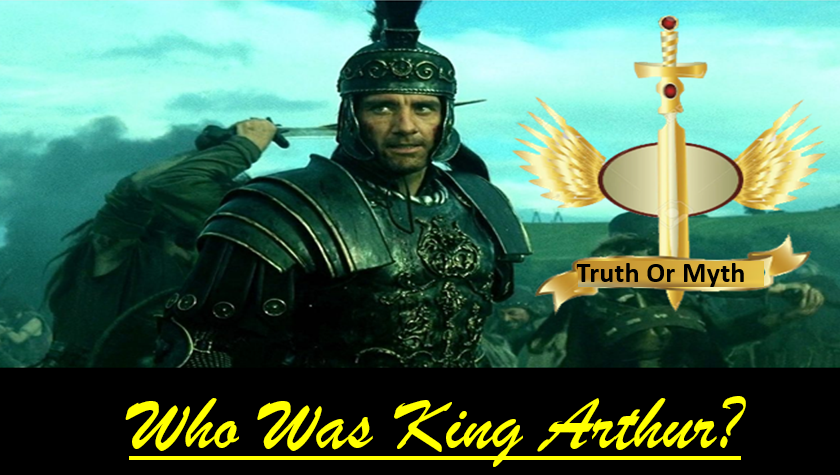
The True Story of King Arthur: Myth or Reality?
King Arthur is a legendary figure who has fascinated generations with tales of bravery, magic, and chivalry. He is best known for the stories surrounding his name, being the protagonist of epic tales, medieval romances, and, of course, successful films and series. But did King Arthur really exist, or is he just a myth, like many other heroes from ancient times?
In this article, we will explore the origins of this mysterious figure and try to uncover whether he was a real king or merely a creation of popular imagination. To do this, we will analyze the historical facts that may have inspired his legend, the records that exist about his possible existence, and the lasting impact he had on cultures and mythologies around the world.
Britain in Arthur’s Time: A Brief Historical Context
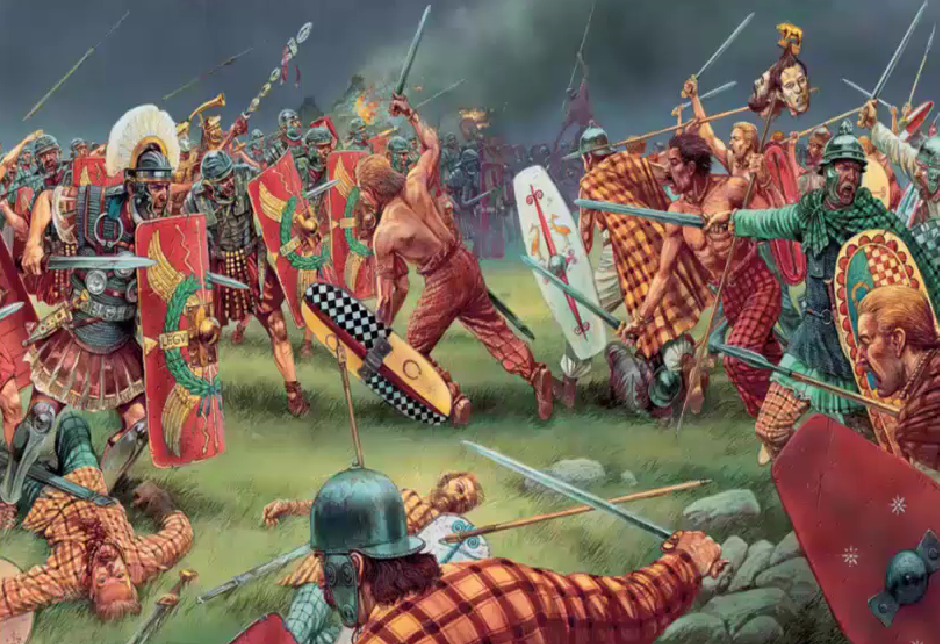
The story of King Arthur takes place during a very specific period in British history, between the 5th and 6th centuries, when the Roman Empire was in decline. After the fall of Rome, the Roman provinces on the British Isles were left unprotected and exposed to a series of invasions by barbarian tribes, such as the Picts, Scots, and Saxons. During this time of instability and war, many of the Briton tribes fought to defend their land and culture.
Britain, once occupied by the Romans, was dominated by different Celtic peoples, known as the Britons, who were in constant conflict with the northern invaders. These Briton peoples were known for their bravery and resistance, but over time, they realized their military forces were insufficient to combat the threat from invaders like the Saxons. This led to a period of great turmoil and uncertainty, where survival was the priority for many of the island’s inhabitants.
The Legend of King Arthur
The figure of King Arthur appears in many legends, making him one of the most iconic heroes in medieval literature. The most popular story about Arthur involves his reign at Camelot Castle, where he leads an order of knights known as the Knights of the Round Table. These knights were supposedly the greatest warriors of the time, and together, they defended justice, honor, and the protection of the realm.
Arthur’s legend is filled with magical elements, such as the sword Excalibur, which was said to have been given to him by a mysterious Lady of the Lake. In addition, his story also involves important characters such as the wizard Merlin, Queen Guinevere, and the knight Lancelot. The Arthurian legend is also marked by the quest for the Holy Grail, a sacred object representing spiritual perfection and salvation.
While these stories are filled with supernatural elements, they also deal with universal themes such as courage, loyalty, betrayal, and sacrifice. Arthur is often depicted as a model of a just and wise leader, who tries to unite his kingdom and protect his subjects, despite the challenges.
The Origin of the Myth: Fact or Fiction?
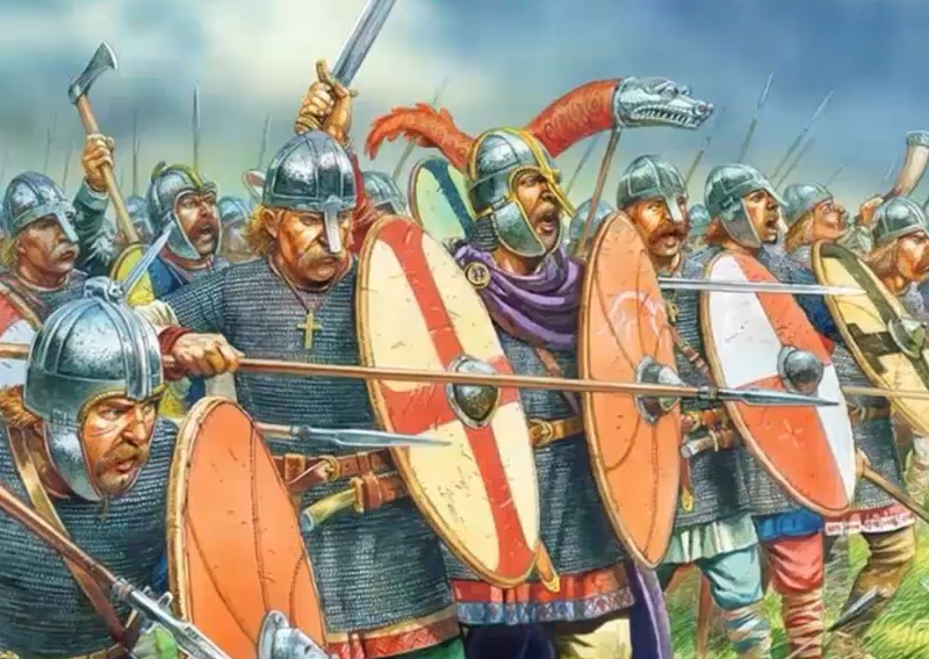
Now, the question remains: did King Arthur really exist? Most historians believe there is no concrete evidence to prove that Arthur was a real historical figure. However, many researchers suggest that the legend of Arthur may have originated from several military leaders who truly existed during the post-Roman period in Britain.
One of the most popular theories is that King Arthur might have been a combination of several historical figures, each contributing aspects of their personality and actions to create the myth we know today. Some scholars point to a Briton leader named Ambrosius Aurelianus, a military commander who fought against the Saxons and may have served as the inspiration for the creation of the figure of Arthur.
Additionally, Arthur’s story may have been embellished and amplified over the centuries as oral traditions were passed down from generation to generation. Stories of heroic warriors were common in medieval literature, and the figure of Arthur may have become a symbol of resistance against oppression and hope for the Britons, especially in times of barbarian invasions.
The Cultural Impact of Arthur: Legends that Transcend Time
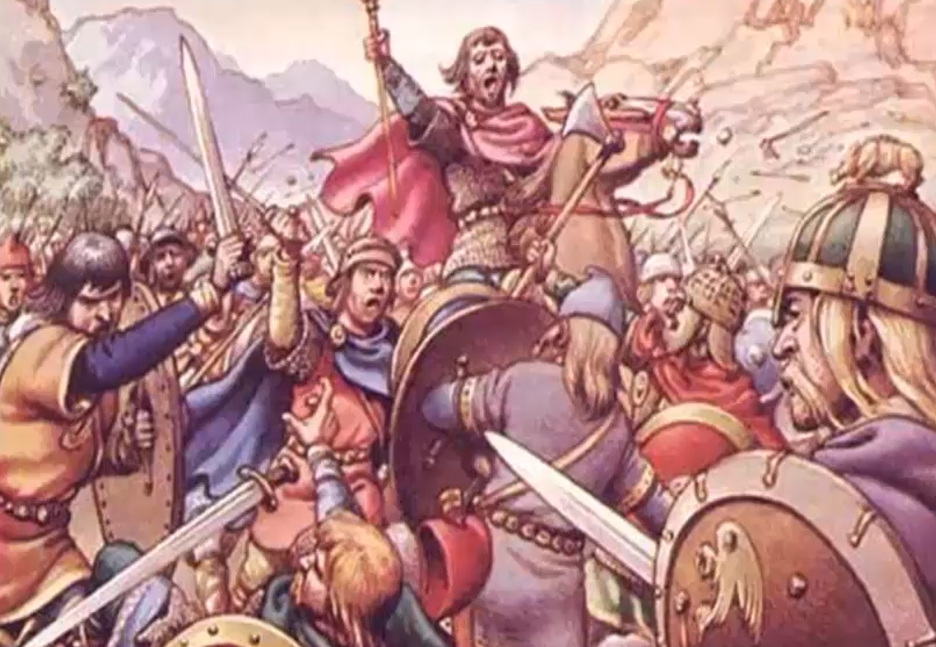
While the historical existence of Arthur remains debated, the cultural impact of his legend is undeniable. The story of King Arthur has shaped many literary and cultural traditions, not just in Britain, but all over the world.
The Arthurian Cycle, which is the collection of stories about King Arthur and his knights, had a significant influence on medieval literature. Works such as Le Morte d’Arthur by Sir Thomas Malory helped consolidate Arthur’s legend in the popular imagination and spread it throughout Europe. The Arthurian cycle also inspired a series of literary and artistic adaptations, including poems, novels, plays, and, more recently, films and TV shows.
Moreover, the characters that make up Arthur’s legend, such as Merlin, Lancelot, Guinevere, and the Knights of the Round Table, have become enduring symbols of virtue, courage, and honor. Even today, these figures continue to be used in different forms of media to tell stories about struggle, betrayal, loyalty, and redemption.
King Arthur in Film and Popular Culture
Arthur’s figure has also had a great impact on modern popular culture. Movies like Excalibur (1981), King Arthur (2004), and The Chronicles of Narnia are just a few examples of how the legend of King Arthur continues to be reinterpreted and adapted for contemporary audiences. Furthermore, television series such as Merlin and Camelot continue to explore the life and deeds of King Arthur and his knights.
These cinematic and television productions not only keep the Arthurian legend alive, but they also help reinterpret it according to the values and interests of modern generations. While the details of the stories may vary, the central themes of courage, leadership, and sacrifice remain relevant to today’s audiences.
Conclusion: Myth or Reality?

The figure of King Arthur will continue to be one of the greatest mysteries of history and world mythology. While there is no conclusive historical evidence to prove that Arthur was a real person, his legend continues to inspire generations, whether as a symbol of resistance against oppression or as a representation of the ideals of chivalry and honor.
Therefore, King Arthur can ultimately be considered a myth that transcended its time and place of origin, becoming a figure that represents more than just a person or an era. He is an icon of Western culture and one of the greatest examples of how stories and myths can shape our perception of the past and the present.
While the search for the truth about King Arthur continues, we can keep admiring the legend he left behind, whether as a symbol of bravery or as a reflection of the values he represents. And who knows, one day, new historical discoveries may shed light on the true story behind this legendary king.